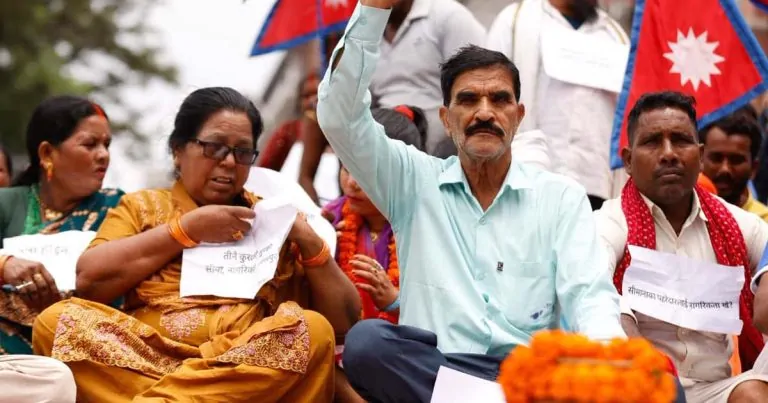
Nepal Moves to Standardise Burn Treatment Nationwide
The government is considering common treatment protocols, frontline training and a clearer referral system across all health levels.


Burn care in Nepal may soon see a more coordinated approach after the government initiated discussions on strengthening treatment protocols, improving frontline response, and expanding the skills of health workers across the country.
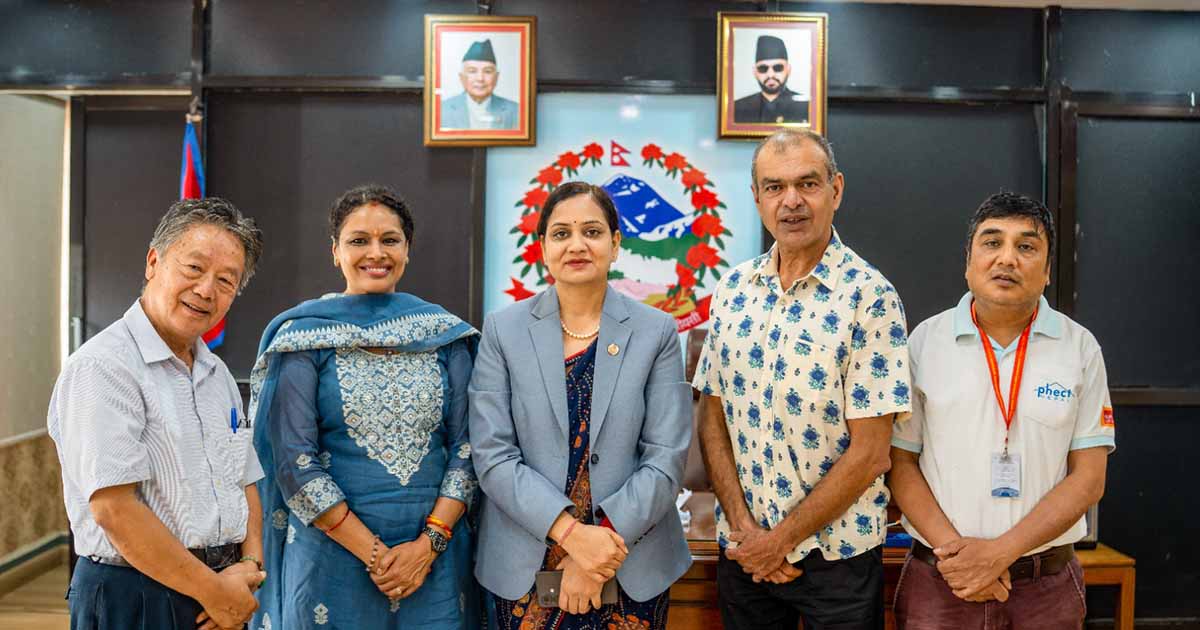
Health and Food Hygiene Minister Nisha Mehta on Thursday met burn specialists and advocates to explore ways of building a treatment system that links local health facilities with provincial and federal hospitals. The discussions reflected growing concern that patients who fail to receive appropriate care immediately after burn injuries often face preventable complications.
The consultation brought together Dr. Kiran Nakarmi and Dr. Shankarman Rai of Nepal Cleft and Burn Center in Kirtipur, along with burn rights advocate Ujjwal Thapa. Talks focused on the current state of burn treatment, the challenges patients continue to face, and the areas requiring urgent reform.
Focus on the critical first response
One of the central issues raised during the meeting was the importance of the first few hours after a burn injury. Specialists stressed that timely and correct initial treatment has a direct impact on recovery and long-term rehabilitation, making it essential to improve the capacity of health workers and emergency responders nationwide.
The discussion also highlighted the need for specialized burn management training for personnel working at health posts, ambulance services, district hospitals, provincial hospitals, and federal health institutions.
Rather than relying on different treatment practices across hospitals, participants discussed introducing a nationwide Standard Treatment Protocol that would guide patient assessment, emergency care, infection prevention, referral decisions, and access to specialist services under a common framework.
A consistent protocol, they said, would reduce variations in care and improve patient outcomes regardless of where treatment begins.
Building a stronger referral network
Participants also examined how Nepal’s referral system for burn injuries could be made more effective.
The proposed approach would allow patients with minor burns to receive treatment closer to home, while ensuring those requiring more advanced care are transferred to provincial hospitals. Patients with severe burn injuries would then be referred without delay to specialist centers capable of providing comprehensive treatment.
The meeting noted that weak coordination between health facilities continues to delay care for many patients. Clarifying the responsibilities of local, provincial, and federal institutions was identified as an important step toward reducing those delays.
The discussion also reflected a broader recognition that strengthening burn care requires more than specialist hospitals alone. A coordinated response at every level of the health system is needed if patients are to receive appropriate treatment from the moment an injury occurs.
Government signals policy support
Minister Mehta said burn treatment would be treated as an important priority within Nepal’s public health services. She said the ministry was committed to building a system that ensures patients can access appropriate care from emergency treatment through specialist services.
She also pledged closer collaboration with specialist institutions, doctors, and advocates who have worked in burn care for many years.
The meeting further discussed expanding public awareness to help prevent burn injuries, improving the quality of treatment services, providing practical training for health workers, and ensuring effective implementation of national treatment standards.
Participants also explored ways of incorporating the technical expertise developed by the Nepal Cleft and Burn Center in Kirtipur into the country’s broader burn treatment system.
The ministry said discussions would continue to identify policy reforms, strengthen coordination among health institutions, and develop future areas of collaboration for improving burn care services across Nepal.

Written by Pushpa Tamang
Pushpa Tamang is Managing Editor at Khoj Samachar, leading English and Nepali bureaus, newsroom operations, and editorial standards.
Nepal to Impose VAT on Electricity Bills from Tomorrow
Nepal’s Free Treatment Portal Serves Over 2,200 in 90 Days
Minister Nisha Mehta Pushes Burn Care Across Seven Provinces
Nepal Supreme Court Opens Government Ads to Private Media
Full LPG Cylinders to Be Sold After Minister Yadav’s Order
Khawalung School Video: What Happened Between Teacher and Student?
Nepal to Fine Fuel Pumps Up to NPR 1 Million for Shutting Down