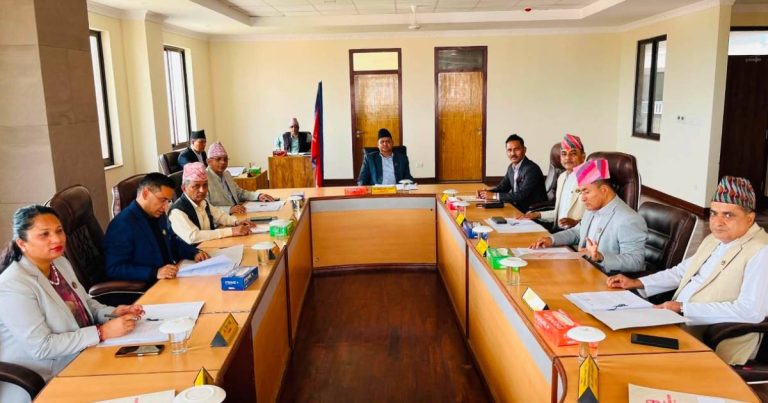
Nepal to Fine Fuel Pumps Up to NPR 1 Million for Shutting Down
Fuel stations that suspend operations after petroleum price cuts can now face fines of up to NPR 1 million and fuel supply suspension under Nepal Oil Corporation's revised regulations.


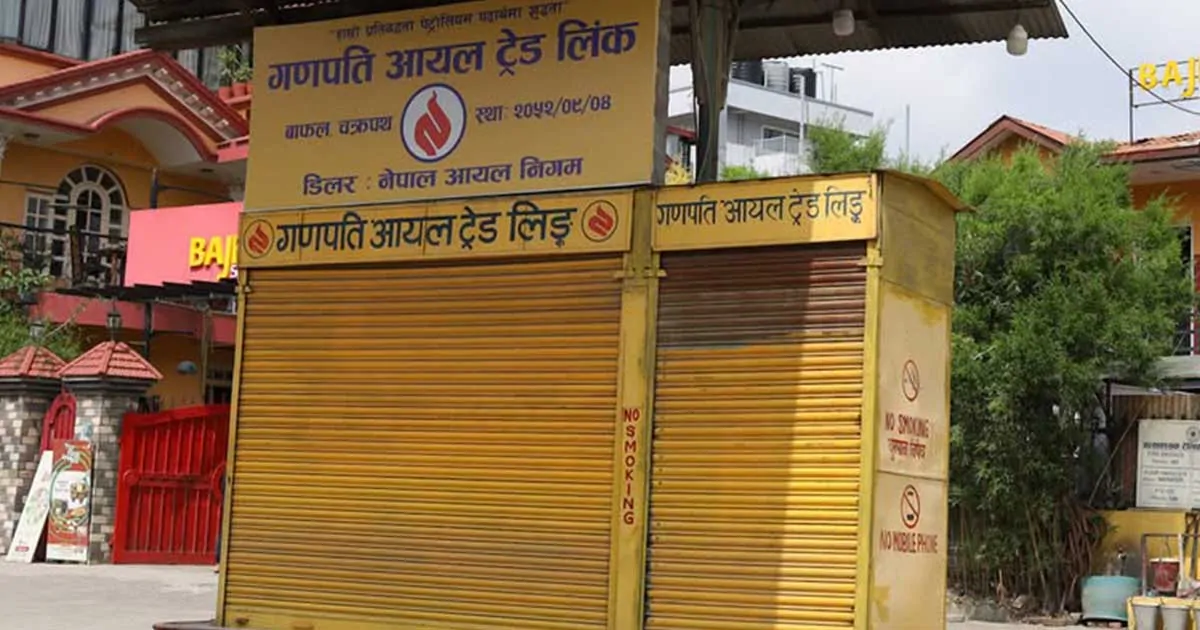
Nepal Oil Corporation has introduced stricter penalties against fuel stations that suspend services after petroleum prices are reduced, following repeated public complaints that consumers are forced to endure long queues and unnecessary hardship whenever fuel prices fall.
The decision comes after a series of pump closures in Kathmandu Valley and other parts of the country immediately after the latest reduction in fuel prices. While many private fuel stations remained shut, those that stayed open witnessed unusually long lines, leaving motorists waiting for hours to purchase fuel.
The incident exposed a recurring pattern in Nepal’s petroleum retail sector, where some dealers continue normal sales when prices rise but halt operations after price reductions, citing losses on existing stock. The practice has repeatedly drawn criticism from consumers who argue that businesses should not be allowed to create artificial shortages for commercial gain.
Khoj Samachar had earlier published a detailed video report on the issue, bringing widespread public attention to the problem. The coverage added momentum to growing calls for immediate government intervention against fuel stations accused of disrupting public services after fuel price adjustments.
Revised Regulations Introduce Escalating Penalties
Acting on instructions from the Ministry of Industry, Commerce and Supplies, Nepal Oil Corporation amended its regulations to introduce financial penalties alongside temporary suspension of petroleum supplies for dealers found violating operational obligations.
Under the revised provisions, fuel stations that fail to fulfill responsibilities outlined in Regulation 28 or engage in prohibited activities under Regulation 29 will face progressively tougher action.
- First violation: Fine of NPR 300,000 and suspension of petroleum supply for five days.
- Second violation: Fine of NPR 600,000 and suspension of supply for ten days.
- Third violation: Fine of NPR 1 million and suspension of supply for fifteen days.
The new framework gives the corporation a clearer legal basis to act against dealers found deliberately closing stations or creating artificial shortages after fuel price reductions.
Government Signals Tougher Stand on Artificial Shortages
The latest regulatory changes reflect increasing pressure on authorities to ensure uninterrupted fuel supply during price adjustments.
For years, motorists have complained that while retailers readily sell existing stock when prices increase, some choose to close pumps when prices fall, attempting to avoid losses on previously purchased inventory. The latest closures once again disrupted thousands of commuters and commercial vehicle operators across Kathmandu.
The government’s decision indicates a shift toward holding dealers directly accountable for actions that affect public access to essential services.
Consumers Can Now File Evidence-Based Complaints
The revised provisions also strengthen consumer participation in enforcement.
If a fuel station shuts operations citing reduced fuel prices, deliberately creates artificial shortages or violates operational rules, consumers can now submit complaints supported by evidence to the concerned authorities. Such documentation is expected to assist regulators in initiating investigations and disciplinary action more efficiently.
Fines Alone May Not Solve Longstanding Problems
Although the tougher penalties have been welcomed by many consumers, concerns remain that enforcement alone may not resolve deeper structural issues within Nepal’s petroleum distribution system.
The sector has long faced complaints ranging from weak regulatory oversight to allegations involving fuel quality, short delivery of fuel, measurement irregularities and, on some occasions, contamination of petroleum products. Public confidence depends not only on stronger punishment but also on consistent monitoring that discourages malpractice before it occurs.
Khoj Samachar View: Technology-Based Monitoring Should Be the Next Step
While the revised penalties represent meaningful progress, Khoj Samachar believes the government should complement enforcement with stronger institutional reforms to improve transparency and public trust.
Possible improvements include:
- Introducing a fully automated and technology-driven monitoring system for petroleum retailers.
- Ensuring inspection teams receive information about inspection locations only minutes before monitoring begins to reduce the risk of advance leaks.
- Maintaining live digital documentation of every inspection.
- Implementing an official performance rating system for fuel stations after each inspection.
- Requiring every petrol pump to publicly display its latest government inspection rating where consumers can easily see it.
Such measures could significantly reduce opportunities for advance coordination between inspectors and businesses while strengthening accountability across the sector.
Quality Fuel Is a Consumer Right
The quality and quantity of petroleum products directly affect vehicle performance, engine life and road safety. Ensuring that consumers receive fuel meeting prescribed standards in full quantity is therefore not only a commercial responsibility but also a public obligation.
The tougher penalties introduced by Nepal Oil Corporation may discourage the practice of creating artificial shortages after fuel price reductions. Their long-term effectiveness, however, will depend on fair enforcement, regular inspections and a transparent monitoring system that consumers can trust.

Written by Roshan Shrestha
Roshan Shrestha is a Nepali investigative journalist and founder of Khoj Samachar, covering corruption, transparency, and public-interest issues.
Why Susta Residents Have Come to Kathmandu?
Nepal Government to Print National ID Cards Itself
Everything You Need to Know About the 2026/27 National Budget
Singha Durbar Toilets Remain in Poor Condition
Manoj Kumar Sharma Set to Become Nepal’s Chief Justice

Koshi Police Honors Inspector Sagar Sah for Innovative Policing

Asim Shah Reacts to Possible Gen Z Boycott of Talks