Nepal to Impose VAT on Electricity Bills from Tomorrow
Household users face a 5 percent VAT above the exempt limit, while non-household consumers will be charged 13 percent.


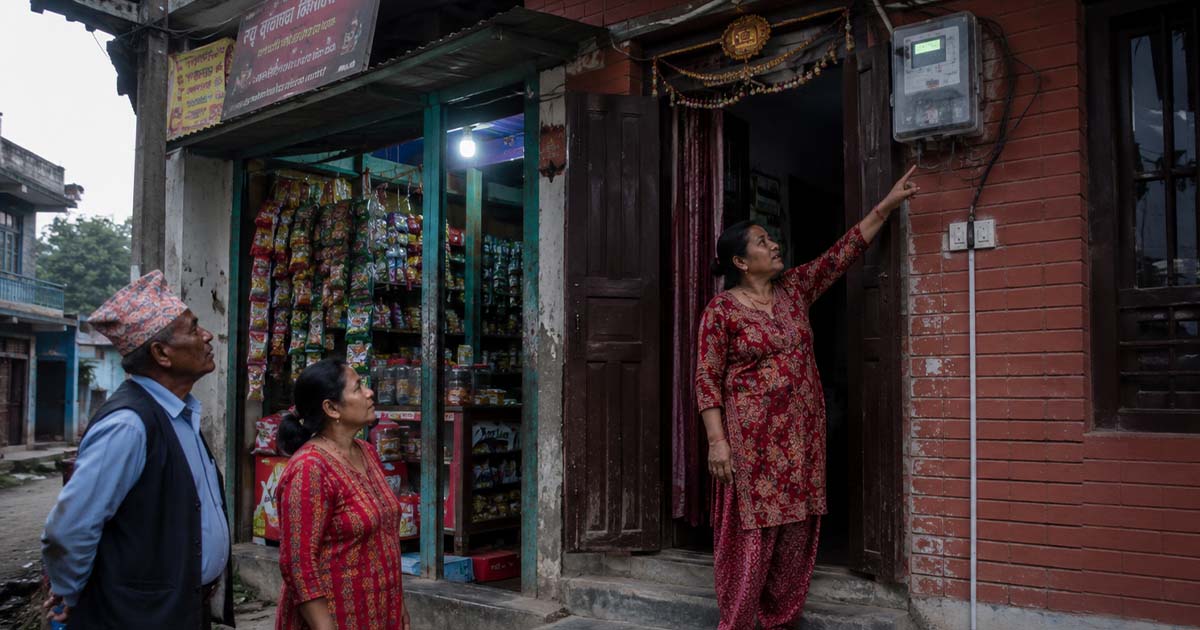
Nepal is set to begin levying value added tax on electricity bills for the first time from Thursday, but the government is still weighing a last-minute revision to protect more household consumers from the new charge. While the budget introduced a 5 percent VAT on the electricity charges of domestic users consuming more than 50 units a month, officials say the threshold could still be raised before the policy takes effect, limiting its impact on the vast majority of households.
The uncertainty has left consumers waiting for a final decision even as the Nepal Electricity Authority completes changes to its billing system. If no revision is announced, the budget provision will automatically come into force from the first day of the new fiscal month.
Government weighs higher tax-free consumption limit
The budget presented by the government proposed exempting the first 50 units of monthly household electricity consumption from VAT while applying a 5 percent tax only to the charges generated by consumption above that level.
Following criticism of the measure, Finance Minister Swarnim Wagle said the government was working on an adjustment that would prevent additional financial pressure on end users and ensure that around 95 percent of consumers remain unaffected.
According to the Ministry of Finance, the Inland Revenue Department has already prepared the implementation guidelines and submitted them for approval. Officials say a decision on whether to retain the 50-unit threshold, increase it, or revise the taxation method could be taken before the policy comes into force.
VAT applies only to additional consumption
Even if a household crosses the 50-unit threshold, VAT will not be charged on the entire electricity bill.
Only the portion of the bill generated from consumption above the exempt limit will attract the 5 percent tax.
For example, if a household consumes 100 units in a month, the electricity charges for the first 50 units remain VAT-free. Only the charges for the remaining 50 units are taxed.
Under the current tariff structure, where the total electricity charge is Rs 835, the first Rs 360 remains exempt. The remaining Rs 475 attracts a 5 percent VAT of Rs 23.75, increasing the final bill to Rs 858.75.
If the government raises the exempt threshold, the same calculation will apply only to consumption above the revised limit.
More than half of domestic consumers remain unaffected under current proposal
Data from the Nepal Electricity Authority show that Nepal has around 5.64 million domestic electricity consumers.
Of them, about 3.034 million households, or 53.79 percent, consume 50 units or less each month.
If the existing threshold remains unchanged, those consumers will continue to pay no VAT on their electricity charges.
Around 2.606 million households consuming more than 50 units would fall within the VAT system, though only the charges linked to consumption beyond the exempt limit would be taxed.
A higher exemption threshold would reduce the number of affected consumers further.
Commercial users face 13 percent VAT
Industrial, commercial and other non-household electricity consumers will be subject to a 13 percent VAT from Thursday.
Businesses registered under Nepal’s VAT system will be able to offset the VAT paid on electricity purchases against the VAT they collect on the sale of goods and services through the input tax credit mechanism.
Schools, hospitals, drinking water institutions and other non-household consumers that are not VAT-registered, however, are expected to bear the full additional cost.
Billing system updated for new tax regime
The Nepal Electricity Authority has upgraded its billing software to distinguish between domestic and non-domestic consumers, identify monthly electricity consumption and automatically calculate VAT based on the applicable rules.
The authority has also completed its own VAT registration. Electricity bills issued from Thursday are expected to display electricity charges and VAT as separate line items.
As of Thursday, however, the government has not yet announced whether the tax-free consumption limit for household users will remain at 50 units or be revised before implementation.

Written by Roshan Shrestha
Roshan Shrestha is a Nepali investigative journalist and founder of Khoj Samachar, covering corruption, transparency, and public-interest issues.
Nepal’s Free Treatment Portal Serves Over 2,200 in 90 Days

Minister Nisha Mehta Pushes Burn Care Across Seven Provinces
Nepal Supreme Court Opens Government Ads to Private Media
Full LPG Cylinders to Be Sold After Minister Yadav’s Order

Khawalung School Video: What Happened Between Teacher and Student?
Nepal to Fine Fuel Pumps Up to NPR 1 Million for Shutting Down
Why Susta Residents Have Come to Kathmandu?