Nepal’s Free Treatment Portal Serves Over 2,200 in 90 Days
The digital system now links 238 hospitals, offering real-time information on free beds and blood availability.


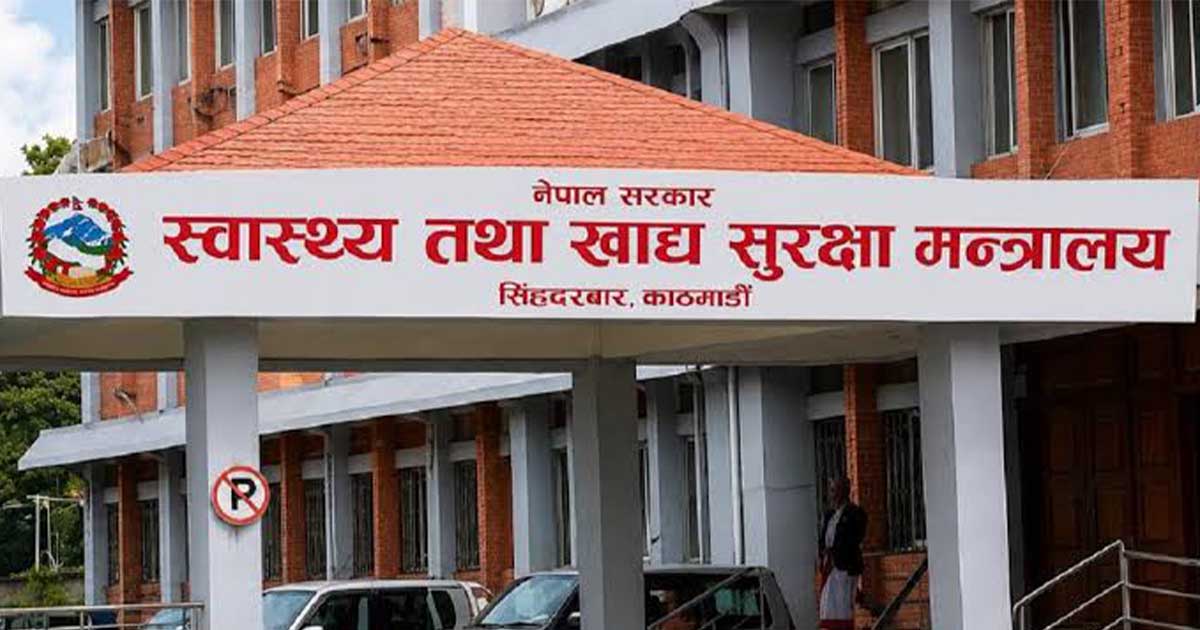
Thousands of economically vulnerable patients are beginning to benefit from Nepal’s digital free treatment system, as the government says wider hospital participation is making constitutionally guaranteed healthcare more accessible. The portal, introduced to strengthen the use of information technology in public health services, has recorded more than 2,200 beneficiaries over the past 90 days, reflecting growing use of a service that aims to remove one of the biggest barriers to treatment—knowing where care is actually available.
The Health and Food Safety Ministry says the network of participating hospitals continues to grow. Thirteen hospitals joined the system in the past week alone, taking the total to 238.
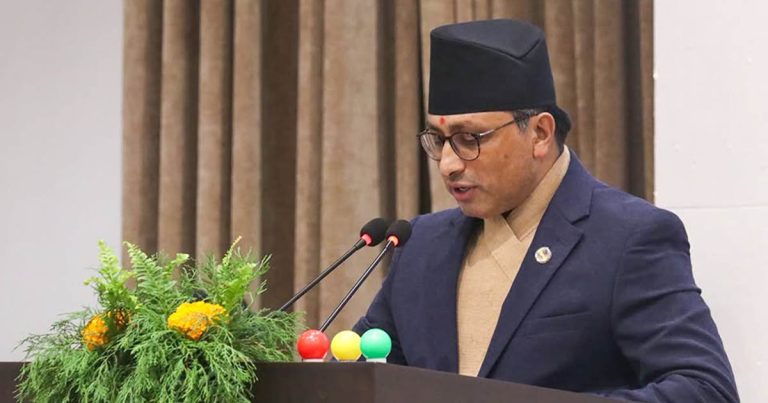
Spokesperson Dr. Samir Kumar Adhikari said expanding hospital participation is steadily improving access to free treatment services across the country.
Real-Time Hospital Bed Information
One of the portal’s central features is its ability to display, in real time, the availability of hospital beds reserved for patients who are poor, helpless, or abandoned.
Under existing legal provisions, hospitals must allocate at least 10 percent of their total beds for free treatment of eligible patients. Participating hospitals are required to regularly update the system with details showing the number of reserved beds, those currently occupied, and those still available.
The ministry believes this has reduced the need for patients and their families to travel from one hospital to another. Instead, they can check from home using a mobile phone or computer to see where free beds are available before seeking treatment.
Blood Information Added to the Same Platform
The government has also integrated a blood information service into the portal.
Citizens can now view the availability of different blood groups at blood transfusion centres through the same platform. Officials expect the service to make emergency blood searches quicker and more efficient.
Use Growing Across Public Hospitals
According to the ministry, more than 1,760 people have already received treatment using the free hospital bed facility.
Among major government and specialised hospitals, BP Koirala Memorial Cancer Hospital currently has the largest number of beds allocated under the scheme. Of its 251 designated free-treatment beds, all were shown as vacant on the portal as of Monday afternoon.
Bir Hospital has recorded the highest utilisation of the programme. Ministry data showed that 19 of its 96 reserved free-treatment beds were occupied by patients receiving care.
The contrast between available capacity at some hospitals and heavier use at others also points to the importance of making real-time information publicly accessible so patients can make informed choices before arriving at a hospital.
Legal Backing and Public Awareness
The digital system was developed to help enforce the constitutional right to free healthcare and ensure implementation of the Health Institution Operation Standards, 2077.
Under Clause 70(g) of the standards, hospitals are legally required to reserve at least 10 percent of their total beds for free treatment.
The ministry has also approved and published the Free Treatment Portal (Operation and Management) Procedure, 2083. The procedure makes it clear that patients admitted under the free-treatment scheme must receive all health services available at the hospital without additional charges.
Dr. Adhikari said awareness of the portal remains limited among many of the people it is intended to serve. The ministry expects the number of users to increase as public awareness improves and says work will continue to strengthen the system so eligible citizens can exercise their constitutional right to healthcare more easily.

Written by Roshan Shrestha
Roshan Shrestha is a Nepali investigative journalist and founder of Khoj Samachar, covering corruption, transparency, and public-interest issues.
Minister Nisha Mehta Pushes Burn Care Across Seven Provinces
Nepal Supreme Court Opens Government Ads to Private Media
Full LPG Cylinders to Be Sold After Minister Yadav’s Order
Khawalung School Video: What Happened Between Teacher and Student?
Nepal to Fine Fuel Pumps Up to NPR 1 Million for Shutting Down
Why Susta Residents Have Come to Kathmandu?
Nepal Government to Print National ID Cards Itself