Nepal Supreme Court Orders Release of Durga Prasai, Rules Arrest Unlawful
The Nepal Supreme Court ordered the immediate release of Durga Prasai, ruling that his arrest was unlawful and violated his constitutional right to personal liberty.


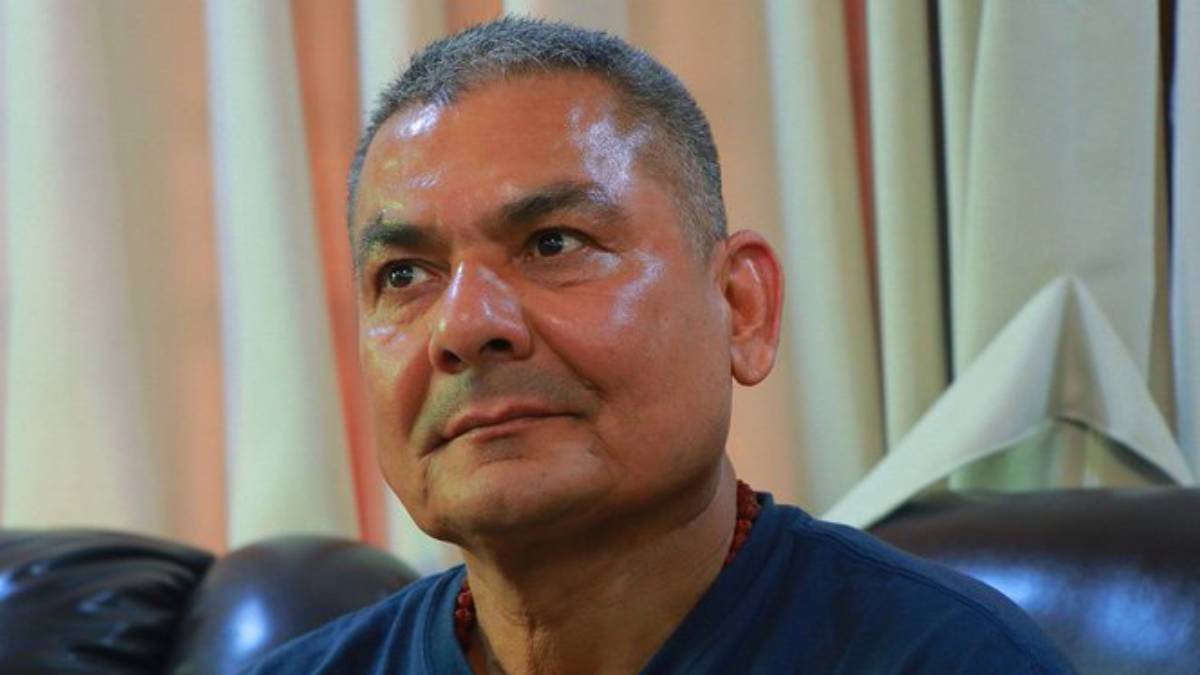
The Supreme Court of Nepal has ordered the immediate release of Durga Prasai, ruling that his arrest was not carried out in accordance with the law. A joint bench of Justices Manoj Kumar Sharma and Meghraj Pokharel issued the order on Tuesday, concluding that Prasai’s detention violated his constitutionally guaranteed right to personal liberty.
The court granted a writ of habeas corpus directing authorities to release him without delay, according to Supreme Court Information Officer and Deputy Registrar Nirajan Pandey.
The court stated that although police arrested Prasai on Falgun 4 using an urgent arrest warrant, the legal conditions required to justify such a warrant were not established. The bench noted that the situation did not meet the threshold necessary under prevailing law.
It further observed that a letter submitted by the District Police Range, Kathmandu on Falgun 5 seeking approval from the case-hearing authority did not clearly mention the reasons requiring immediate arrest.
The court also stated that the investigating officer failed to prepare a written justification outlining the grounds for issuing the warrant at the time permission was granted. The Supreme Court concluded that the detention was not lawful and had seriously infringed upon Prasai’s constitutional right to personal liberty.
Investigation May Continue Under Legal Procedures
The bench directed that if authorities consider investigation necessary regarding a public statement issued by Prasai on Falgun 3, such investigation may proceed by keeping him on bail, bond, or under a date-based appearance requirement.
In that statement, Prasai had announced that if agreements reached with the government were not implemented, a nationwide indefinite shutdown would begin on Falgun 8.
Election Commission Decision Under Judicial Review
Earlier, a separate bench of Justices Nahakul Subedi and Meghraj Pokharel had ordered the original file of the Election Commission’s decision to be produced before the court. Prasai had filed the habeas corpus petition naming the District Police Range, Kathmandu as the respondent.
In its written response, police stated that the arrest was made following a letter sent by the Election Commission on Falgun 4 directing authorities to investigate and take action. The Supreme Court ordered that the Commission’s original decision file be obtained through the Office of the Attorney General for review.
Police detained Prasai on Falgun 4 following the Commission’s letter.


Written by Roshani Shrestha Pathak
Roshani Shrestha Pathak is the English Bureau Chief at Khoj Samachar, overseeing English-language editorial operations and newsroom coordination.
Nepal Moves to Standardise Burn Treatment Nationwide
Nepal to Impose VAT on Electricity Bills from Tomorrow
Why the Supreme Court Halted Nepal’s New Property Probe Commission
Nepal’s Free Treatment Portal Serves Over 2,200 in 90 Days
Minister Nisha Mehta Pushes Burn Care Across Seven Provinces
Nepal Supreme Court Opens Government Ads to Private Media

Full LPG Cylinders to Be Sold After Minister Yadav’s Order