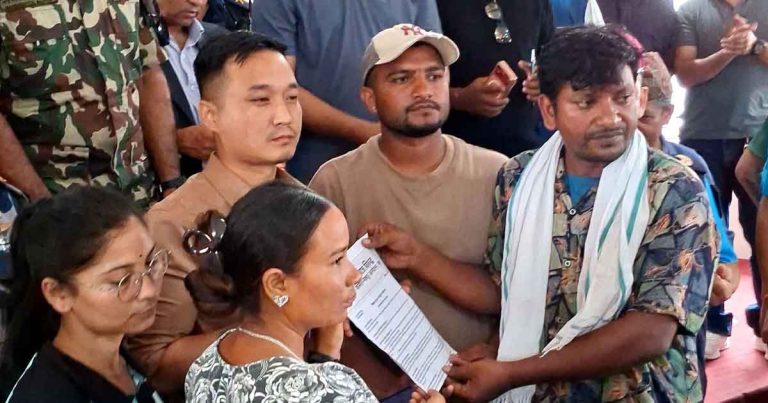
Sudan Gurung Urges Swiss Action on Nepal Corruption Funds Recovery
Home minister seeks Swiss cooperation to trace illicit assets, raising pressure over alleged funds held in Swiss banks


Nepal’s Home Minister Sudan Gurung has urged Swiss authorities to assist in recovering corruption funds allegedly held in Swiss banks by high-ranking Nepali officials, intensifying scrutiny over illicit wealth. The move highlights growing pressure to track and repatriate hidden assets.
The request was made during a courtesy meeting at the Home Ministry with Daniel Meuwly, Switzerland’s ambassador to Nepal. Gurung called for cooperation in investigating whether illegally acquired money from corruption or other crimes has been deposited in Swiss banks.
Push to Trace Illicit Funds Abroad
Gurung stressed the need for joint efforts to identify any such funds and facilitate their return to Nepal if confirmed. He urged Swiss authorities to establish mechanisms that would allow repatriation upon formal request from the Nepali government.
The appeal reflects increasing domestic concern over financial transparency and accountability, particularly involving senior officials suspected of moving illicit wealth overseas.
Diplomatic Talks Expand Beyond Corruption Issue
During the meeting, Ambassador Meuwly congratulated Gurung on his appointment and expressed confidence in his tenure. She also raised the issue of strengthening cooperation between the two governments on migration-related matters.
Gurung responded that discussions on migration cooperation are ongoing, signaling potential policy coordination between Nepal and Switzerland in the near future.
Switzerland Signals Support on Climate and Disaster Preparedness
The Swiss side also highlighted its commitment to supporting Nepal in disaster risk reduction and climate resilience. Meuwly reaffirmed Switzerland’s willingness to enhance early warning systems to mitigate the impact of natural disasters.
The discussions underscore a broader bilateral agenda, combining governance, migration, and climate cooperation, even as the corruption funds issue takes center stage.
As Nepal intensifies efforts to recover alleged illicit assets abroad, the success of such diplomatic engagements could shape future accountability measures and international cooperation.


Written by Roshani Shrestha Pathak
Roshani Shrestha Pathak is the English Bureau Chief at Khoj Samachar, overseeing English-language editorial operations and newsroom coordination.
Nepal Moves to Standardise Burn Treatment Nationwide
Nepal to Impose VAT on Electricity Bills from Tomorrow
Nepal’s Free Treatment Portal Serves Over 2,200 in 90 Days
Minister Nisha Mehta Pushes Burn Care Across Seven Provinces
Nepal Supreme Court Opens Government Ads to Private Media
Nepal Cabinet Release of All Three Miterbyaj Commission Reports
Full LPG Cylinders to Be Sold After Minister Yadav’s Order