Israel Launches Deadliest Beirut Strike, Lebanon Attack Sparks Mass Casualties and Regional Tensions
Over 250 reported killed as sudden Israeli assault hits Beirut, raising fears of wider Middle East escalation


Israel launched its deadliest strike yet on Beirut, Lebanon, killing hundreds and injuring more than a thousand in a sudden overnight assault. The scale of the Lebanon attack has raised fears of a wider regional crisis.
According to international reports, Israeli forces struck more than 100 locations across Beirut, southern Lebanon and the Bekaa Valley within minutes. Casualty figures vary, with some estimates reporting over 250 deaths, while others confirm at least 182 killed and more than 1,100 injured.
Massive Overnight Strikes Hit Multiple Areas
Witnesses described widespread devastation across Beirut, with thick black smoke rising from several neighborhoods. Ambulances rushed through the capital as rescue teams searched for survivors trapped under debris.
Local residents said some of the targeted areas were residential zones, not military sites, increasing concerns over civilian casualties. Burned vehicles and bodies were reportedly seen on roads in central districts, including the Corniche al-Mazraa area.
Hezbollah and Lebanese Officials Condemn Attack
Hezbollah called the assault the deadliest day since fighting began in February, accusing Israel of violating a ceasefire understanding. The group said it had already agreed to halt hostilities when the strikes occurred.
Lebanese officials strongly condemned the attack, describing it as a dangerous escalation. Authorities warned the situation could worsen humanitarian conditions and destabilize the country further.
Ceasefire Dispute Deepens Tensions
The strike came just hours after reports of a ceasefire agreement involving Iran and the United States. However, Israel had indicated that operations in Lebanon would not be included in the arrangement.
US President Donald Trump said the Lebanon situation was a “separate conflict,” adding to confusion over the scope of the ceasefire.
Targeted Strike Raises Risk of Wider War
Israeli Defense Minister Israel Katz said the attack targeted Hezbollah leadership, specifically naming Naim Qassem. Israel has previously targeted senior Hezbollah figures, including the killing of Hassan Nasrallah in 2024.
In response, Iran signaled possible retaliation, including threats to disrupt shipping through the Strait of Hormuz, a critical global oil route. As rescue operations continue in Beirut, the scale of destruction and rising geopolitical tensions suggest the conflict could enter a more dangerous and unpredictable phase in the coming days.


Written by Roshani Shrestha Pathak
Roshani Shrestha Pathak is the English Bureau Chief at Khoj Samachar, overseeing English-language editorial operations and newsroom coordination.
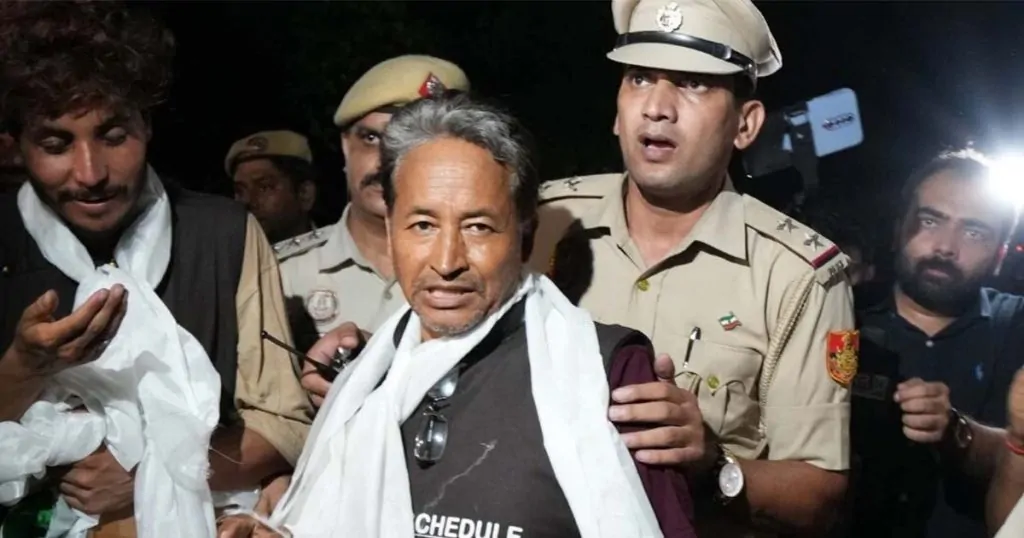
Sonam Wangchuk Update: Forced to Hospital, Says Abhijeet Dipke

Attack Was Attempted on Sonam Wangchuk, Says Abhijeet Dipke
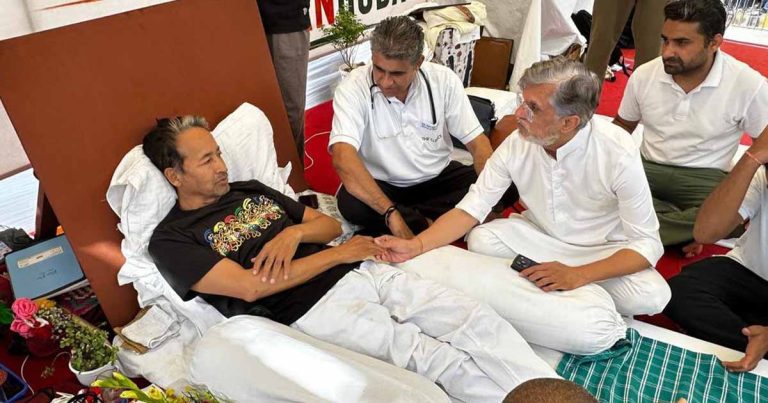
Sonam Wangchuk Vows to Survive Hunger Strike Until July 20
US Attacks Iran Again as Fighting Enters Sixth Night
Jordan Shoots Down Eight Iranian Missiles
US House Passes Permanent Daylight Saving Time Bill
Indian Crew Member Killed in Hormuz Tanker Attack