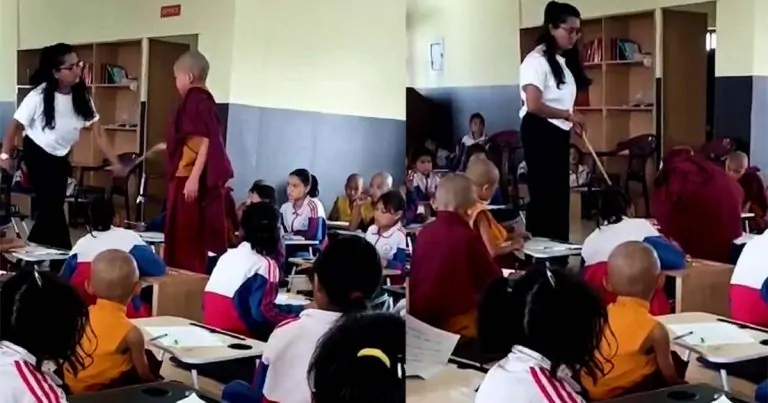
Nepal Commission Recommends Rights-Based Approach to Peaceful Protests After Gen Z Movement
A commission in Nepal has proposed a rights-based approach to managing peaceful protests, emphasizing police accountability, reduced use of force, and stronger public trust.


Kathmandu — The freedom to assemble peacefully and express dissent is a fundamental pillar of any democratic society, and ensuring an environment where this constitutional right can be exercised remains a key responsibility of the state.
Shift Toward Facilitating Peaceful Protests
A recent report by an investigation commission formed to examine incidents related to the widely discussed Gen Z movement has outlined a new approach to managing public demonstrations, emphasizing facilitation over suppression to strengthen democratic practices.
The commission states that imposing restrictions or bans on demonstrations should be treated strictly as a last resort. It calls for the development of law enforcement agencies that are professional, accountable, and free from political influence.
Building Trust Between Police and the Public
The report highlights the need to reduce mistrust between police and the public through sustained dialogue and coordination with civil society before protests take place. It notes that early engagement can help prevent escalation and build mutual confidence.
To ensure demonstrations remain peaceful and organized, the commission recommends clear prior agreements and operational coordination between protest organizers and security personnel. It also stresses that security officials must understand protesters’ demands, social context, and sensitivities.
Strengthening Capacity and Accountability of Security Forces
The report calls for mandatory human rights-based and gender-inclusive training for security personnel. It further recommends competency-based assessments for commanding officers, ensuring that only qualified personnel are assigned operational responsibilities.
Field commanders should be empowered to make immediate decisions based on evolving situations, the report states, while also emphasizing the importance of safeguarding the physical and mental well-being of security personnel operating in high-pressure environments.
Guidelines on Use of Force and Post-Protest Review
To manage risks effectively, the commission urges improved preparedness, continuous intelligence gathering, and stronger inter-agency coordination. It identifies open communication and de-escalation strategies as critical tools in preventing violence during protests.
The use of strict crowd control measures should be limited to exceptional circumstances. Authorities must provide clear warnings before dispersing crowds and consider alternative methods wherever possible.
The commission reiterates that any use of force must comply with the principles of legality, necessity, and proportionality. It warns against indiscriminate use of less-lethal weapons and prohibits targeting sensitive areas of the body.
The use of lethal weapons during demonstrations should be completely prohibited, except in situations involving an imminent threat to life. The report also calls for strict accounting of all equipment used and mandates investigations in cases of discrepancies.
Additionally, the commission recommends that security agencies conduct post-operation reviews after each demonstration to identify weaknesses and improve future responses.
Overall, the report emphasizes a shift from a control-based approach to a rights-based, dialogue-driven, and accountable system of protest management, which it identifies as essential for strengthening democracy and protecting citizens’ rights.


Written by Roshani Shrestha Pathak
Roshani Shrestha Pathak is the English Bureau Chief at Khoj Samachar, overseeing English-language editorial operations and newsroom coordination.
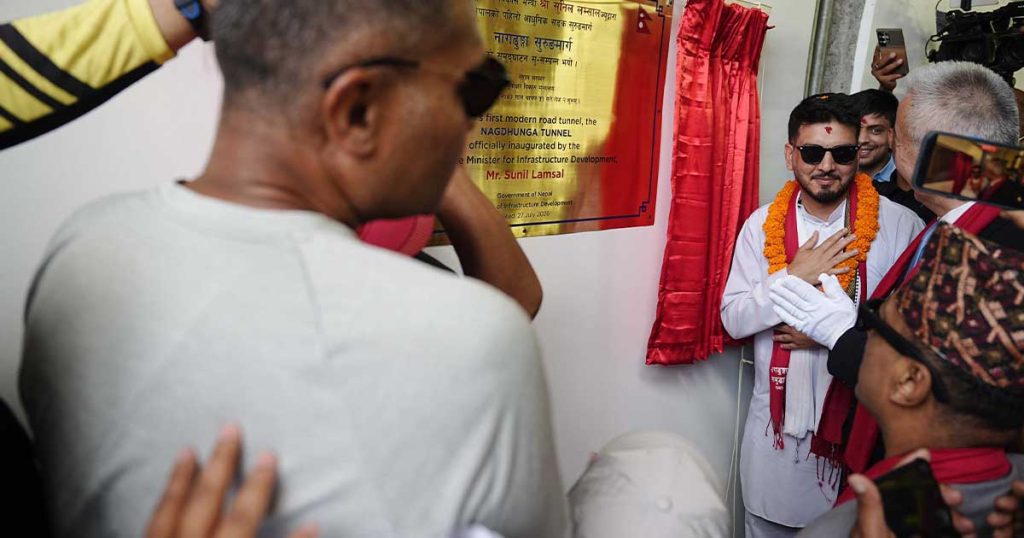
Sunil Lamsal Opens Nagdhunga Tunnel, Operations Begin Today
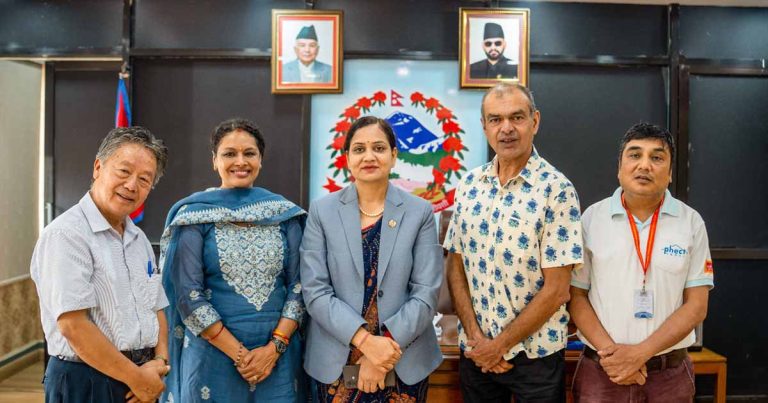
Nepal Moves to Standardise Burn Treatment Nationwide
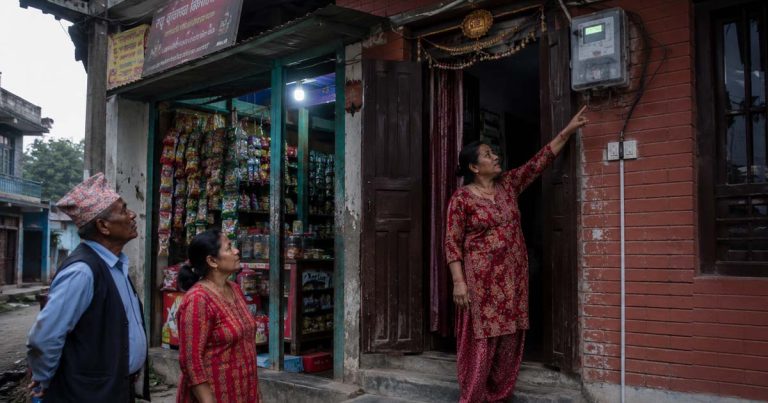
Nepal to Impose VAT on Electricity Bills from Tomorrow
Nepal’s Free Treatment Portal Serves Over 2,200 in 90 Days
Minister Nisha Mehta Pushes Burn Care Across Seven Provinces
Nepal Supreme Court Opens Government Ads to Private Media
Full LPG Cylinders to Be Sold After Minister Yadav’s Order