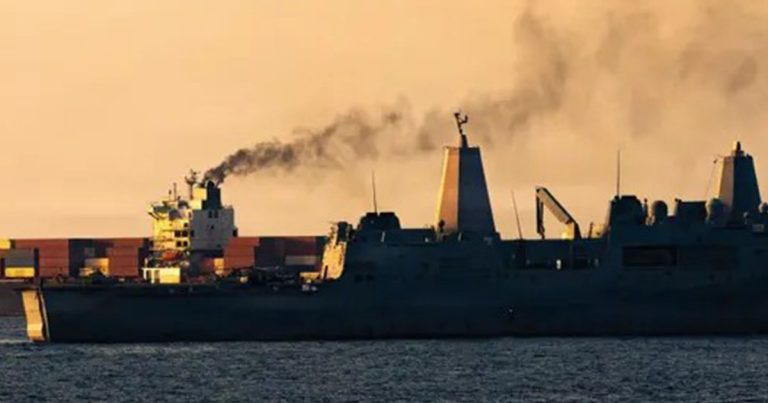
Jordan Shoots Down Eight Iranian Missiles
US-Iran attacks widen across the Gulf, placing regional airspace, military bases and the Strait of Hormuz under growing pressure.


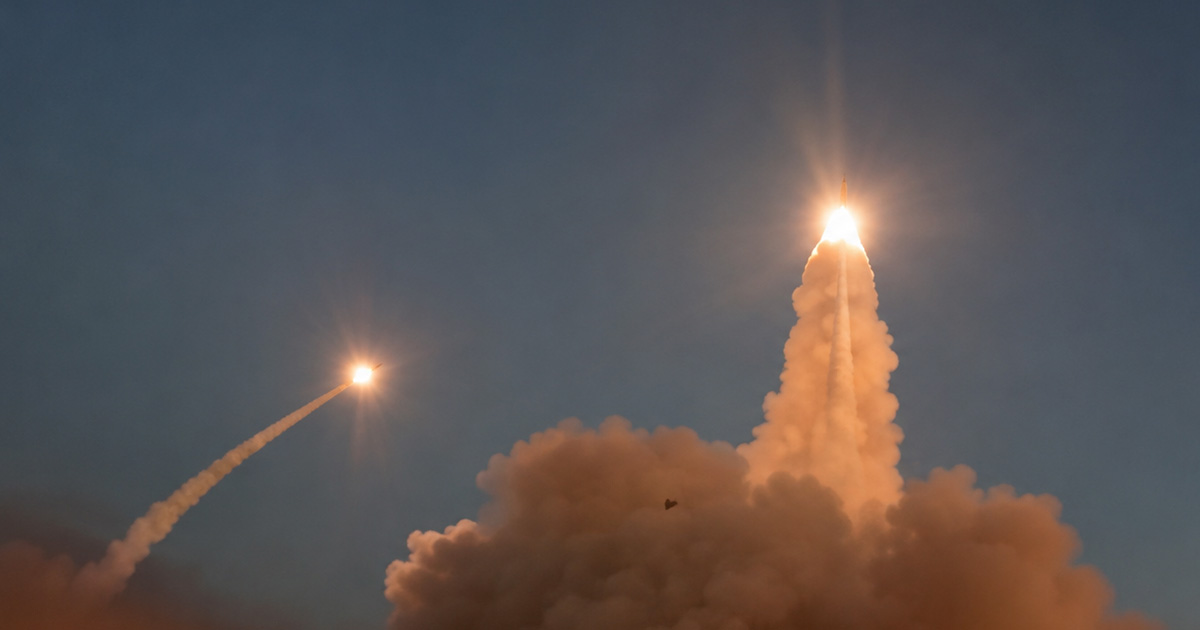
Jordan has intercepted eight missiles launched from Iran and directed at its territory, marking a further expansion of the military confrontation between the United States and Iran across the Middle East.
The Jordanian military said its air defence systems destroyed the missiles before they could reach their targets. The statement was released through Petra, Jordan’s state news agency. No detailed account of possible damage or casualties was immediately available.
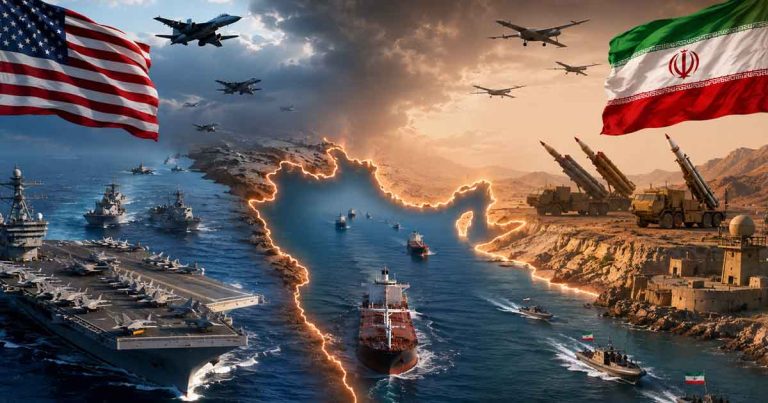
The interception places Jordan directly inside a conflict that is no longer confined to attacks exchanged between Washington and Tehran. Gulf military bases, neighbouring airspace and commercial sea routes are all being drawn into the confrontation.
For Jordan, the threat has moved beyond the risk of missiles passing over its territory. The military’s statement that the weapons were aimed at the country points to a more immediate security challenge, with regional governments now being forced to defend themselves against attacks linked to a wider war.
US expands attacks as Iran strikes back
The United States has intensified its military operation against Iran, extending attacks into northern areas.
The US military also said it opened fire on a vessel accused of attempting to break its naval blockade. Further details about the ship and the consequences of the shooting were not immediately disclosed.
Iran responded early Thursday with missile and drone attacks. Bahrain and Kuwait were among the targets, showing how rapidly the conflict is spreading across the Gulf.
The continued exchange of fire has widened the battlefield. Military installations, air defence systems and sea lanes in countries beyond Iran are increasingly exposed, even where governments have not presented themselves as direct parties to the confrontation.
Strait of Hormuz becomes another pressure point
The Strait of Hormuz has emerged as another sensitive centre of the crisis.
Fresh threats and counter-threats surrounding the waterway have increased fears of disruption to international trade and oil transportation. The route remains central to global energy supplies, making any prolonged military pressure there a concern far beyond the region.
An interim understanding formed earlier with the stated aim of ending the war had created some expectation that tensions could ease. That expectation is now weakening.
Repeated military operations, the naval blockade and attacks affecting regional countries have damaged the basis of the agreement. The space for diplomacy is narrowing as both sides continue to expand the scope of their actions.
Iranian officials said more than 35 people have been killed in US attacks and over 300 wounded. Those figures have not been independently verified.
The rising human cost and the widening reach of the attacks now leave less room to contain the conflict. What began as a confrontation between the United States and Iran is increasingly becoming a regional security crisis, with neighbouring states facing direct military threats and the risk of a full-scale Middle East war becoming harder to dismiss.

Written by Pushpa Tamang
Pushpa Tamang is Managing Editor at Khoj Samachar, leading English and Nepali bureaus, newsroom operations, and editorial standards.

US House Passes Permanent Daylight Saving Time Bill
Indian Crew Member Killed in Hormuz Tanker Attack
South Korean Sailor Found Dead Near Northern Sea Border
US-Iran Clash Raises Gulf Alarm After Drone Attacks
Iran-America War Update: Hormuz Strait Closed

Heavy Rain Triggers Landslides in Uttarakhand
Dalai Lama Birthday Controversy in Nepal: Tibet-China Risk Explained