
Government Approves Fertiliser Import via G2G Deal
Cabinet allows direct purchase of urea and DAP from India to reduce delays and ensure timely supply for farmers


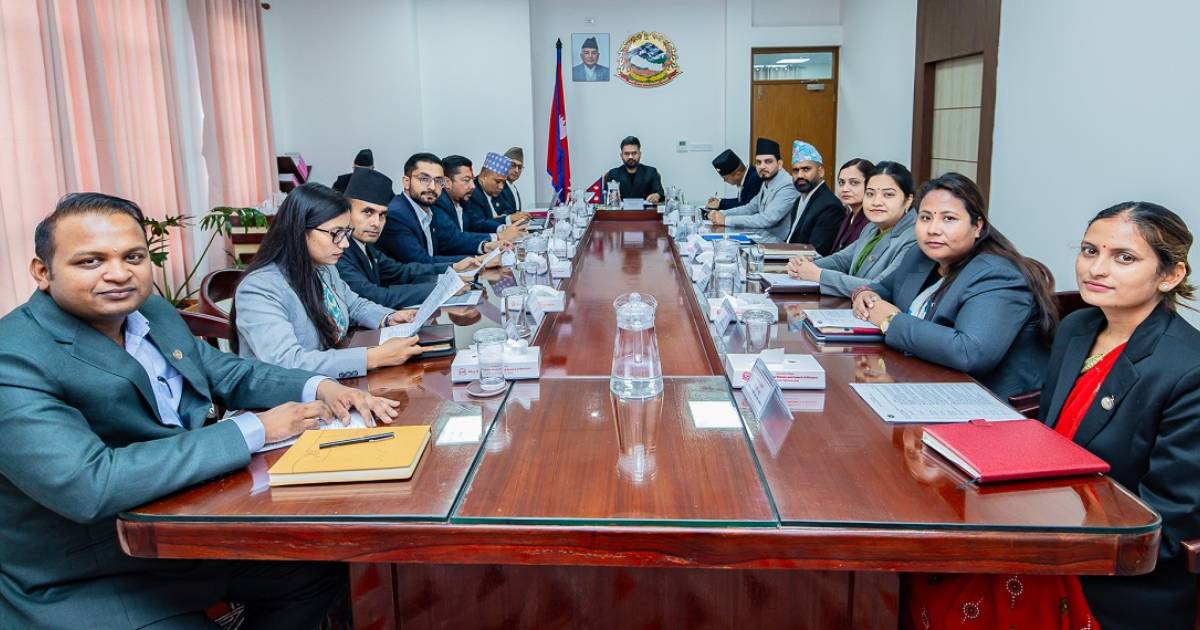
The government has moved to change how it procures chemical fertiliser, aiming to address long-standing delays that have affected supply to farmers.
A Cabinet meeting held on Monday approved a plan to purchase large quantities of fertiliser directly from India through a government-to-government (G2G) arrangement, marking a shift from the existing global tender system.
According to government spokesperson and Minister for Education Sasmit Pokharel, the decision grants in-principle approval to Agriculture Inputs Company Limited to procure 60,000 tonnes of urea and 20,000 tonnes of diammonium phosphate (DAP). The move is expected to streamline the supply process and reduce recurring disruptions caused by delays in international tendering.
Cabinet backs direct procurement strategy
The latest Cabinet decision reflects growing concern over inefficiencies in the current fertiliser procurement system. By opting for a G2G mechanism, the government intends to secure supplies more reliably and avoid procedural bottlenecks that have previously slowed deliveries.
Officials say the approval allows Agriculture Inputs Company Limited to move forward with the process in coordination with relevant authorities. The focus is on ensuring timely availability of essential fertilisers ahead of key agricultural seasons.
Large quantities approved for import
Under the approved plan, the government has set clear procurement targets to address demand:
- 60,000 tonnes of urea
- 20,000 tonnes of diammonium phosphate (DAP)
These two fertilisers are widely used in farming and are critical for maintaining crop productivity. Ensuring a steady supply is seen as vital for supporting farmers and stabilising agricultural output.
Shift away from global tender system
Until now, fertiliser imports have primarily been handled through global tenders conducted by Agriculture Inputs Company Limited and Salt Trading Corporation. While this system allows for competitive pricing, it has often faced operational challenges.
Delays by supplier companies participating in tenders have repeatedly disrupted the delivery schedule. Such setbacks have led to shortages at crucial times, affecting farmers who depend on timely fertiliser availability for planting and crop management.
Recurring delays prompt policy change
The decision to adopt a G2G approach comes after repeated issues with late shipments under the tender-based system. Officials acknowledge that reliance on third-party suppliers has made the process vulnerable to delays beyond the government’s control.
By dealing directly with another government, authorities expect to reduce uncertainty and improve coordination. The new method is also intended to ensure that agreed quantities are delivered within a predictable timeframe.
Role of state-owned companies remains central
Agriculture Inputs Company Limited will take the lead in executing the new procurement plan. The company has long been responsible for managing fertiliser imports and distribution across the country.
Salt Trading Corporation, which has also been involved in past procurement efforts, remains part of the broader supply framework. Both entities play a key role in ensuring that fertilisers reach farmers through established distribution networks.
Ensuring timely supply for farmers
The availability of fertiliser is a recurring concern, especially during peak farming periods. Delays in supply can disrupt planting schedules and affect crop yields, creating wider economic challenges.
With the new G2G procurement plan, the government aims to address these issues more effectively. Timely import and distribution are expected to help farmers maintain productivity and reduce uncertainty in agricultural operations.
Government signals intent to improve efficiency
The Cabinet’s decision highlights a broader effort to improve efficiency in essential supply chains. By revising procurement methods, the government is seeking to respond to practical challenges faced in previous years.
While the success of the new approach will depend on implementation, officials believe that direct government-level agreements can provide a more stable and predictable system. The move is being seen as a step toward strengthening agricultural support mechanisms and ensuring that critical inputs are available when needed most.


Written by Pushpa Tamang
Pushpa Tamang is Managing Editor at Khoj Samachar, leading English and Nepali bureaus, newsroom operations, and editorial standards.

Sunil Lamsal Opens Nagdhunga Tunnel, Operations Begin Today
Nepal Moves to Standardise Burn Treatment Nationwide
Nepal to Impose VAT on Electricity Bills from Tomorrow
Nepal’s Free Treatment Portal Serves Over 2,200 in 90 Days

Minister Nisha Mehta Pushes Burn Care Across Seven Provinces

Nepal Supreme Court Opens Government Ads to Private Media

Full LPG Cylinders to Be Sold After Minister Yadav’s Order