
Government Halts Demolition Drive After Political Pressure
Authorities pause nationwide action on informal settlements as leadership differences and public concerns push for a more cautious approach


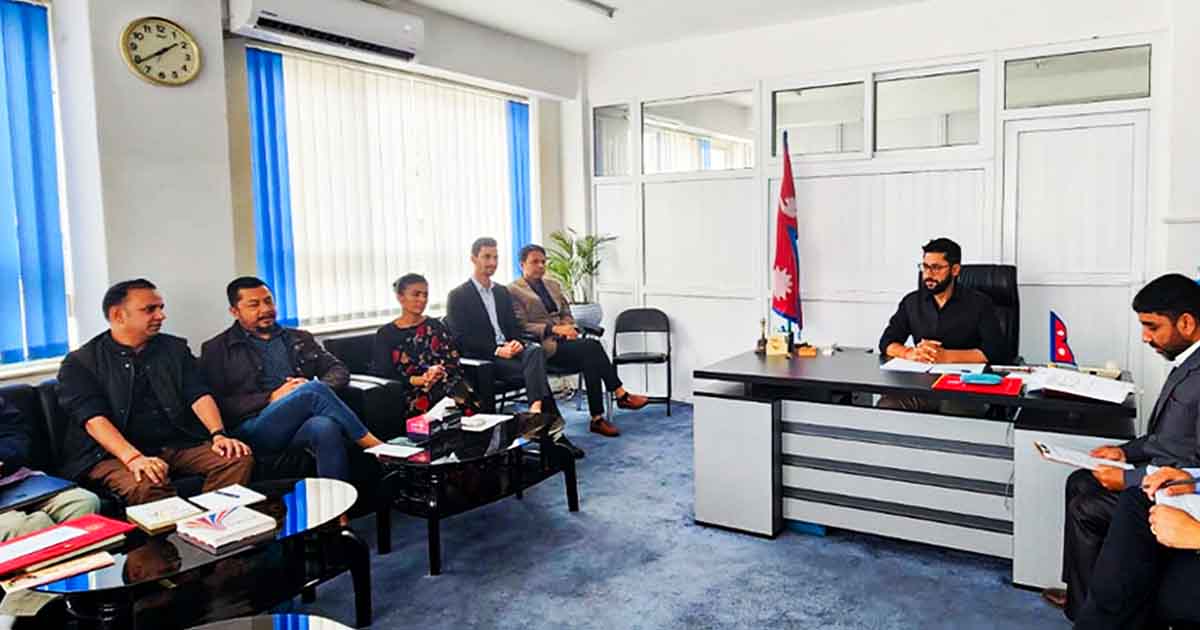
The government’s recent bulldozer actions targeting informal settlements across Nepal have taken a sudden turn after mounting political pressure forced a rethink at the highest level. What began as a nationwide effort to clear encroached public land has now become a major political issue, exposing differences within leadership and raising serious concerns about the future of landless communities.
In a significant development, Prime Minister Balen Shah has stepped back from continuing the bulldozer drive after strong public and party-level pressure led by Rabi Lamichhane. The decision comes after weeks of criticism, confusion, and growing unrest among landless and informal settlers across the country.
Government Retreats After Party Pressure
The government’s plan to remove encroachments through bulldozer operations faced a major setback after the ruling party publicly intervened. Following an official statement and internal discussions, the leadership urged the Prime Minister to halt further demolitions and adopt a more structured approach.
This pressure appears to have worked. The Prime Minister responded by expressing commitment to ensure that no one would be left homeless, signaling a shift in policy direction.
Directive to All Districts Reveals Central Role
Evidence shows that the bulldozer operations were not isolated decisions by local governments but part of a coordinated national plan. On Baisakh 16, the Home Ministry issued a directive to all 77 district administrations.
- Identify encroached government land across districts
- Prepare removal plans in coordination with relevant agencies
- Submit plans for approval to the ministry
- Ensure security arrangements before clearing encroachments
This directive clearly indicates that the central government played a direct role in initiating the bulldozer operations nationwide.
Army Involvement Sparks Controversy
The situation became more complex when the Nepal Army reportedly sought data on informal settlements from local municipalities. This move triggered criticism, as many questioned whether the army had exceeded its mandate.
Following public backlash, the army clarified that the data collection was intended for disaster management purposes. However, the incident added to the growing concerns surrounding the bulldozer campaign.
Internal Differences Between Leadership
While the Prime Minister moved forward with the bulldozer initiative, party chairman Rabi Lamichhane consistently opposed the approach. He argued that demolitions should not be carried out without proper preparation and identification of genuine landless citizens.
Despite repeated informal requests from Lamichhane to halt the operations, the Prime Minister initially continued with the plan. Reports suggest that the decision to deploy bulldozers was taken independently, without consultation with the party or cabinet.
This lack of coordination eventually led to public pressure from within the party, forcing a policy reversal.
Impact on Landless Communities and Political Risks
The bulldozer campaign has had a significant impact on landless and informal settlers across Nepal. Many communities have expressed dissatisfaction and fear, particularly in areas where demolitions were carried out without prior planning.
The issue is politically sensitive due to the large number of affected people.
- Over 1 million families are estimated to be landless or in informal settlements
- This represents more than 5 million people nationwide
- These communities hold significant influence during elections
The growing dissatisfaction has also created opportunities for opposition groups and activists to mobilize protests and expand their political agenda.
Rising Pressure From Public and Opposition
The bulldozer operations have not only drawn criticism from within the ruling party but also energized opposition forces. Various groups have begun organizing protests and planning larger movements, using the issue to challenge the current government.
Political analysts believe that if the situation is not handled carefully, it could lead to widespread unrest and long-term political consequences.
Call for Structured Policy and Long-Term Solution
The current debate has highlighted the need for a comprehensive and humane approach to managing informal settlements. Experts and political leaders alike stress that identifying genuine landless citizens must be the first step.
Only after proper verification and planning should any removal actions be considered. The focus is now shifting toward forming a strong commission to manage the issue and ensure fair solutions.
The recent developments suggest that future actions will likely prioritize rehabilitation and structured planning over immediate demolition.


Written by Roshan Shrestha
Roshan Shrestha is a Nepali investigative journalist and founder of Khoj Samachar, covering corruption, transparency, and public-interest issues.

Sobita Gautam Leads Law Commission Act Amendment
Gyanendra Shahi Comments on Nagdhunga Tunnel Dispute
What Did Gyanendra Shahi Say to His Trolls?

Sobita Gautam Leads Nepal’s 166-Bill Legal Reform Drive
Bishnu Paudel Released Without Bail by Special Court

Industry Ministry Recovers Rs 467 Million in Unpaid Rent

Rekha Thapa Criticises Taxes, Says ‘Swarnim Nepal’