Gagan Thapa Pledges Asset Investigation Commission, Calls for End to Coalition Power Politics
Gagan Thapa says Nepali Congress will prioritize governance reform and launch an asset investigation commission beginning with senior party leaders if elected.


Kathmandu — Nepali Congress President Gagan Thapa said the country’s politics must move beyond what he described as the “dirty game” of forming and sustaining governments, calling for a shift toward results-oriented governance.
Addressing an election program in Kathmandu, Thapa acknowledged that political parties have spent years focused on coalition-building rather than addressing citizens’ core concerns. He stressed that the next five years should be treated as a decisive period dedicated to delivering measurable outcomes.
“The next five years must be a time of results,” Thapa said, adding that Parliament should prioritize solving public problems instead of engaging in power-sharing negotiations.
He also criticized a political culture in which parties with limited parliamentary seats seek top executive positions, arguing that such practices have contributed to instability and slowed national development.
Thapa Pledges Asset Investigation Commission, Says Probe Will Begin With Deuba and Himself
Thapa announced that if the Nepali Congress forms the government, a powerful asset investigation commission would be established within the first week. He said the investigation process would begin with leaders from his own party.
“The first investigation will be of former Prime Minister Sher Bahadur Deuba. The second will be of Gagan Thapa,” he said. “Only when we investigate our own leaders will we have the moral authority to investigate KP Oli or Prachanda.”
He reiterated that individuals involved in political or economic corruption must face legal consequences and stated that his party would make no compromises on accountability.
Thapa’s remarks signal an effort by the Nepali Congress to frame the upcoming election around governance reform, institutional accountability, and long-term development rather than coalition politics.

Written by Khoj Samachar Editorial Team | News Desk
Editorial team of Khoj Samachar responsible for publishing and managing news content, quality and timely coverage of national and global developments.
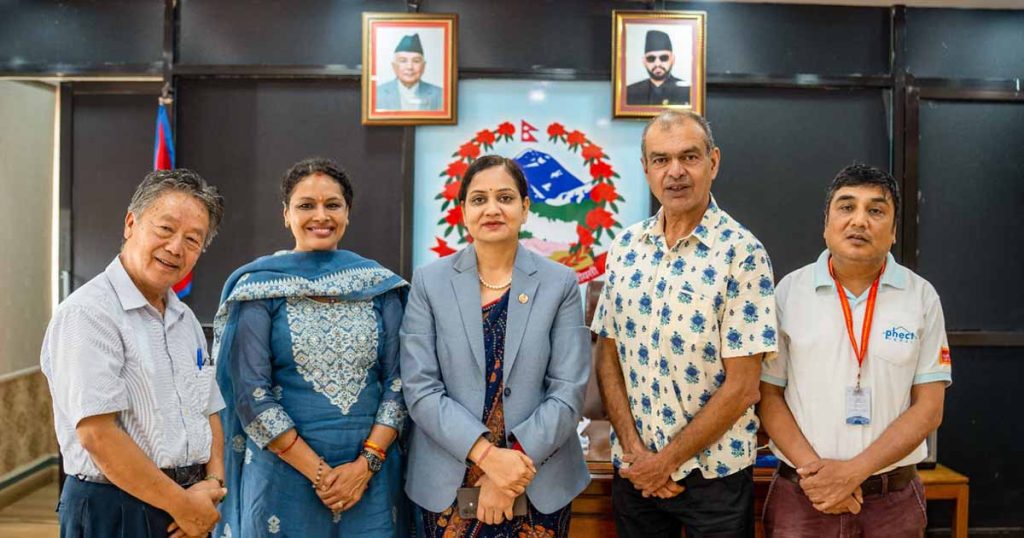
Nepal Moves to Standardise Burn Treatment Nationwide
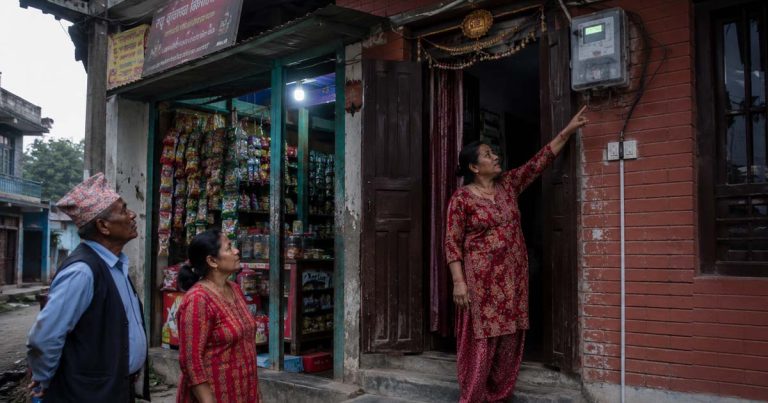
Nepal to Impose VAT on Electricity Bills from Tomorrow
Nepal’s Free Treatment Portal Serves Over 2,200 in 90 Days
Minister Nisha Mehta Pushes Burn Care Across Seven Provinces
Four Congress Ministers Resign from Karnali Government
Nepal Supreme Court Opens Government Ads to Private Media
Full LPG Cylinders to Be Sold After Minister Yadav’s Order