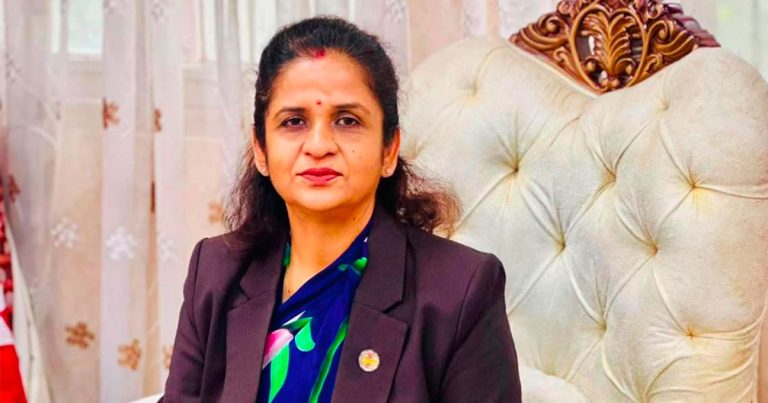
Gagan Thapa Says 1951 Revolution Laid Foundation for Democracy on National Democracy Day
Nepali Congress President Gagan Thapa said the 1951 Revolution ended the Rana autocracy and laid the foundation for Nepal’s democratic transformation, marking National Democracy Day.


Nepali Congress President Gagan Thapa on Wednesday described the 1951 people’s movement (2007 B.S.) as the foundation of Nepal’s modern political transformation, marking the end of the 104-year Rana autocracy.
In a message issued on the occasion of National Democracy Day in Nepal, observed on Falgun 7, Thapa said the historic uprising laid the groundwork for democratic governance and reshaped the country’s political trajectory.
He stated that the 1951 revolution in Nepal was not limited to a change in government but represented a broader shift toward political awareness, citizens’ rights and participatory governance. According to Thapa, the movement also opened pathways for economic, social and cultural progress.
Thapa said subsequent political milestones — including the 1990 People’s Movement (2046 B.S.) and the 2006 People’s Movement (2062/63 B.S.) — which culminated in the establishment of a federal democratic republic of Nepal, were rooted in the spirit of the Falgun 7 uprising. He described the date as a decisive moment that guided Nepal’s transition from feudal structures to institutional democracy.
Paying tribute to the martyrs who sacrificed their lives for democracy, Thapa said protecting the Constitution of Nepal and strengthening federalism would be the most meaningful way to honor their legacy. He added that achieving economic prosperity alongside political stability remains essential to fulfilling the aspirations of democratic movements.
Thapa concluded by extending his best wishes to all Nepalis on National Democracy Day and recognizing the sacrifices of known and unknown individuals who contributed to Nepal’s democratic progress.


Written by Pushpa Tamang
Pushpa Tamang is Managing Editor at Khoj Samachar, leading English and Nepali bureaus, newsroom operations, and editorial standards.
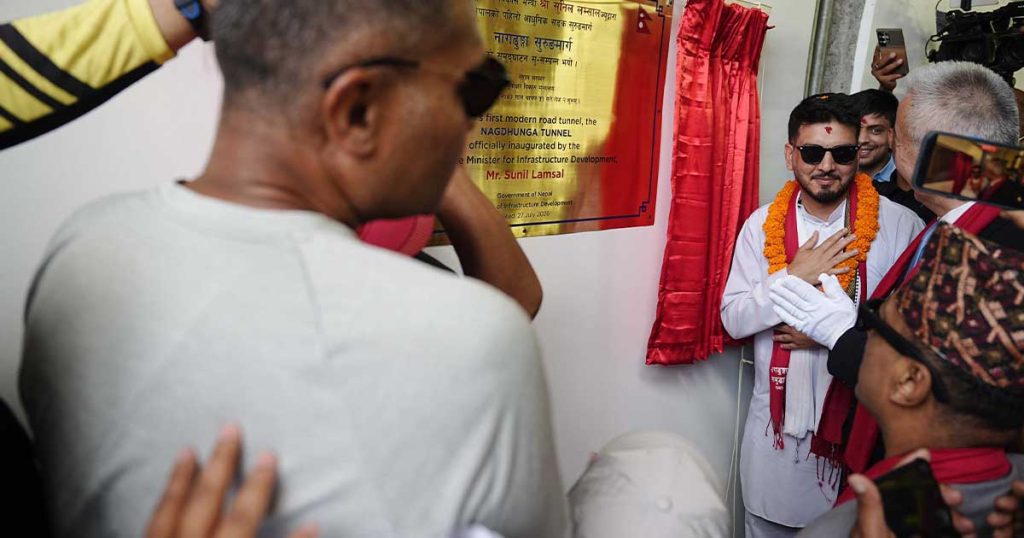
Sunil Lamsal Opens Nagdhunga Tunnel, Operations Begin Today
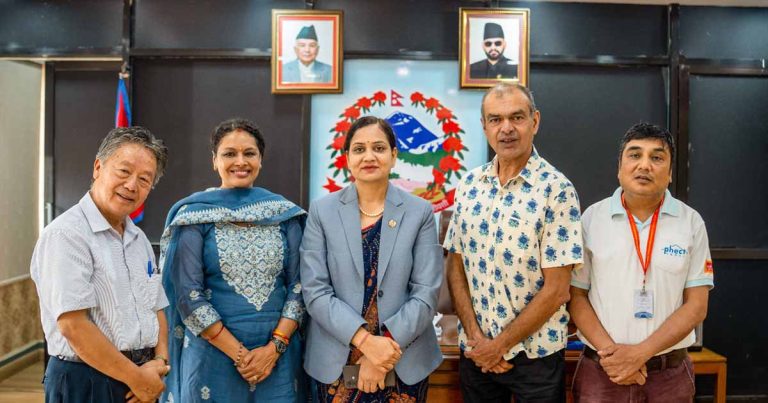
Nepal Moves to Standardise Burn Treatment Nationwide
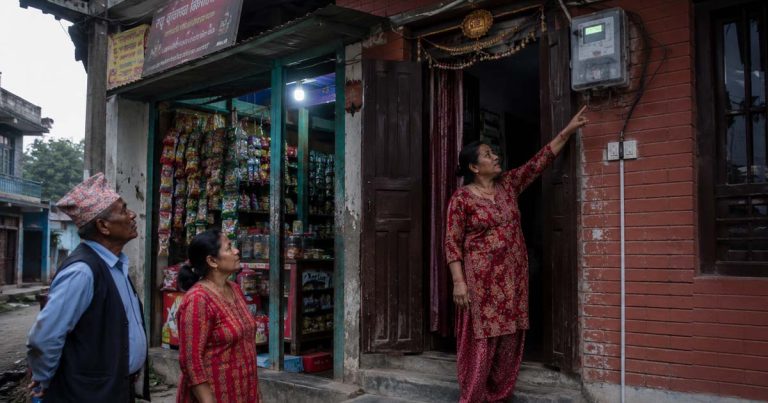
Nepal to Impose VAT on Electricity Bills from Tomorrow
Nepal’s Free Treatment Portal Serves Over 2,200 in 90 Days
Minister Nisha Mehta Pushes Burn Care Across Seven Provinces
Four Congress Ministers Resign from Karnali Government
Nepal Supreme Court Opens Government Ads to Private Media