Trump Reviews Military Options as Iran Protests Continue Into Second Week
U.S. President Donald Trump has held high-level security briefings to assess potential responses to ongoing protests in Iran, amid reports of civilian deaths, detentions, and growing regional concerns.


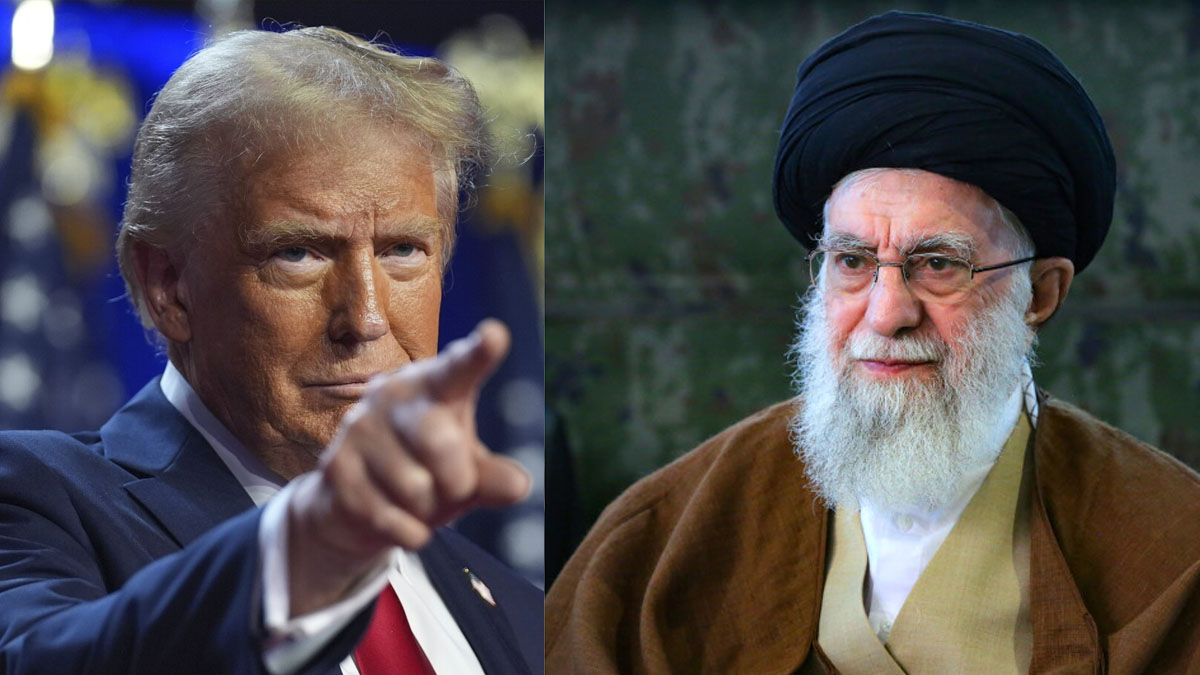
As nationwide protests in Iran entered their second week, the situation began drawing increased attention in Washington, where U.S. President Donald Trump reviewed potential military options amid reports of violent crackdowns on demonstrators.
High-Level Security Briefings in Washington
According to U.S. media reports, Trump held high-level security briefings with senior officials from the White House and the Pentagon, assessing a range of responses to the unrest. The options discussed reportedly included intensified diplomatic pressure and limited military action, though officials stressed that no final decision has been made.
The discussions took place as reports continued to emerge that Iranian security forces had opened fire on protesters. During the briefings, senior military officials outlined scenarios focusing on targets linked directly to security institutions involved in the violence, while also highlighting the risks of civilian casualties.
The New York Times reported that the meetings involved senior military leaders, the national security adviser, and members of the National Security Council. The White House has not provided details of the deliberations, instead pointing to the president’s recent public statements on Iran.
Protests Expand Amid Economic and Political Grievances
In social media posts, Trump warned Tehran to stop using force against demonstrators, saying the United States stands ready to defend protesters and cautioning that continued shootings could lead to serious consequences.
The protests initially erupted over economic grievances, including rapid currency depreciation, rising inflation, and dissatisfaction with government economic policies. They have since evolved into broader political demands and spread nationwide, according to international media.
Over the past two weeks, dozens of protesters have reportedly been killed, internet services have been shut down across the country, and thousands have been detained. Despite mounting international pressure, Iran’s Supreme Leader Ayatollah Ali Khamenei has said the government will not retreat.
Diplomatic Engagement and Caution Over Military Action
Diplomatic engagement has also increased. U.S. Secretary of State Marco Rubio held a telephone conversation with Israeli Prime Minister Benjamin Netanyahu, during which Iran’s situation was discussed, according to the New York Times. Rubio later expressed support for what he described as the courage of the Iranian people.
U.S. officials note that Trump’s past actions, including military moves following developments in Venezuela, have reinforced perceptions that he may act on his warnings. However, senior officials acknowledge that Iran presents a significantly more complex challenge.
Officials have cautioned that military action could backfire, potentially strengthening domestic support for the Iranian government or triggering retaliatory attacks across the region. A senior military official told the New York Times that any operation would require additional time to reinforce regional security preparations.
Previous U.S. military actions have involved months of planning, and officials indicated that any move involving Iran would require similar preparation. For now, Iran’s internal unrest remains under close review in Washington, with U.S. officials signaling that all options remain on the table while emphasizing caution over actions that could carry wider regional consequences.


Written by Khoj Samachar Editorial Team | News Desk
Editorial team of Khoj Samachar responsible for publishing and managing news content, quality and timely coverage of national and global developments.
Why Did an RSP MP Recall Kulman Ghising in Parliament?
Prime Minister’s Office Like Hitler’s Gas Chamber: Lawmaker
Speaker Aryal: Learn Parliament, Not Your Phone
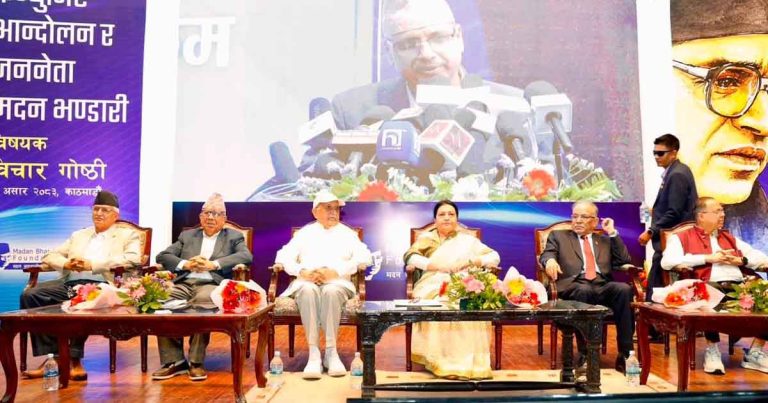
Four Former PMs Share Stage at Madan Bhandari Event
Prachanda Urges Left Unity at Bhandari Anniversary
Ramji Yadav Faces Scrutiny After Party Election Loss
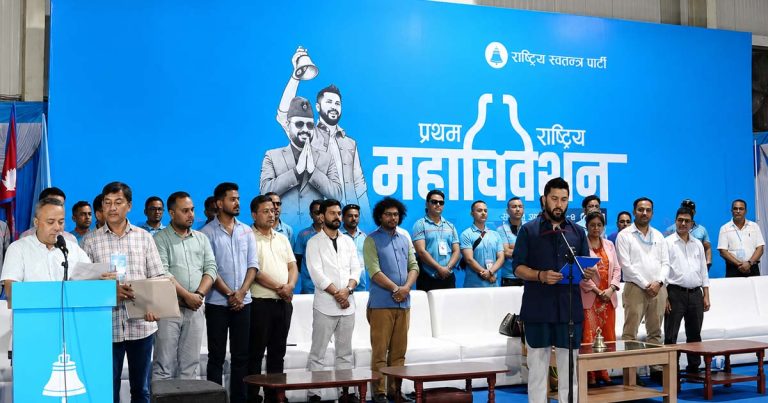
RSP Elects Rabi, Swarnim, Sobita and Bipin to Top Posts