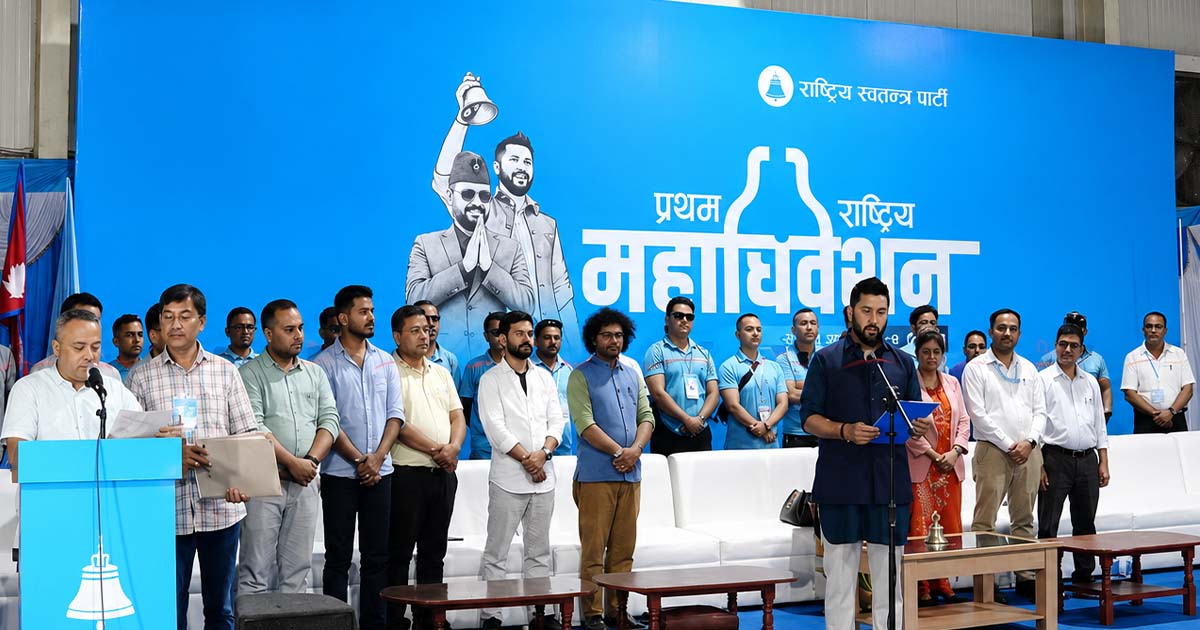
The Rastriya Swatantra Party (RSP) has wrapped up its first national general convention after it stretched from the planned three days to five, exposing internal divisions that overshadowed what was expected to be a defining moment for the party. While the leadership election has formally settled key positions, the convention ended with allegations of procedural violations, complaints over representation and open dissatisfaction from several leaders and lawmakers.
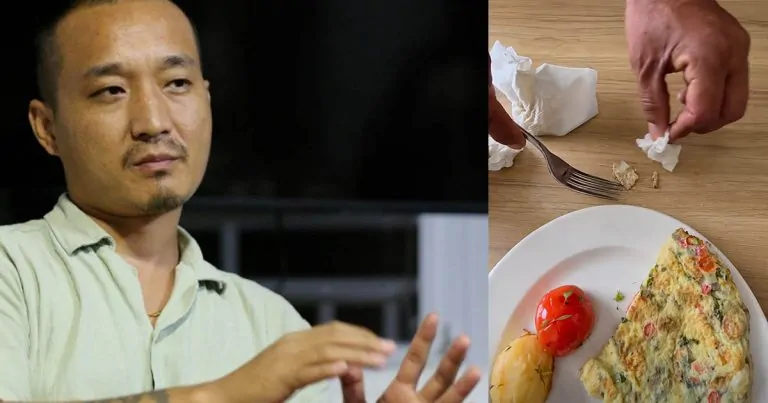
Rabi Lamichhane was re-elected unopposed as party chair. The party has also agreed to entrust the role of senior leader to Kathmandu Metropolitan City Mayor Balen Shah.
Leadership team takes shape
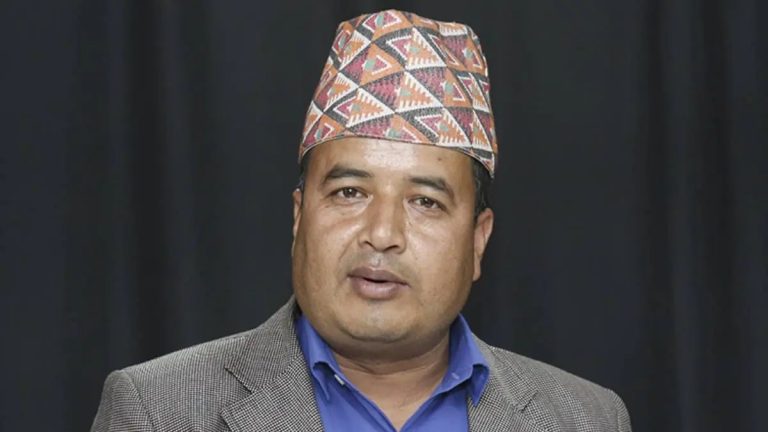
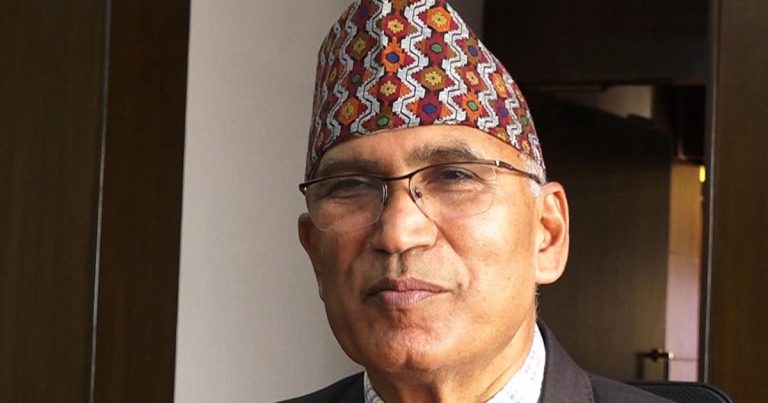
Swarnim Wagle was elected unopposed as vice chair representing the men’s category, while Sobita Gautam defeated Toshima Karki to become the party’s female vice chair. The party has also decided to nominate one additional vice chair.
Bipin Kumar Acharya secured the post of general secretary after defeating Manish Jha, Ganesh Karki and Sagar Dhakal. Another general secretary will be nominated by the party.
Hari Dhakal, Nisha Dangi and Ashim Shah were elected as joint general secretaries. Although several candidates contested the positions, the three emerged victorious. The party will nominate two more joint general secretaries.
Party to have a 19-member office-bearer team
Besides the elected officials, the party will nominate one spokesperson, three deputy spokespersons, one treasurer and two deputy treasurers. Once the appointments are completed, the RSP will have a total of 19 office bearers.
Many leaders aligned with Balen Shah had chosen not to contest the elections after an understanding was reached that they would be accommodated through nominations.
The arrangement is aimed at maintaining a balance between the two major camps inside the party, with leaders close to Rabi Lamichhane entering the leadership through elections while those aligned with Balen Shah are expected to join through nominated positions, including vice chair, general secretary and joint general secretary.
The convention also elected 99 members to the party’s central committee, marking the first such internal democratic exercise since the party’s formation nearly four years ago.
Convention overshadowed by disputes
The convention began on June 21 and was originally scheduled to conclude by June 23. It was extended by two days after rival groups failed to reach agreement on key organisational issues.
Coming after the party’s overwhelming electoral victory in the February 21 election, the convention had been viewed as an opportunity to strengthen the RSP’s identity as a major political force. Instead, prolonged disputes and organisational disagreements dominated the gathering.
Over the past five days, the convention drew criticism for disorder, internal conflict and confusion that many argued resembled the practices the party had long criticised in older political parties.
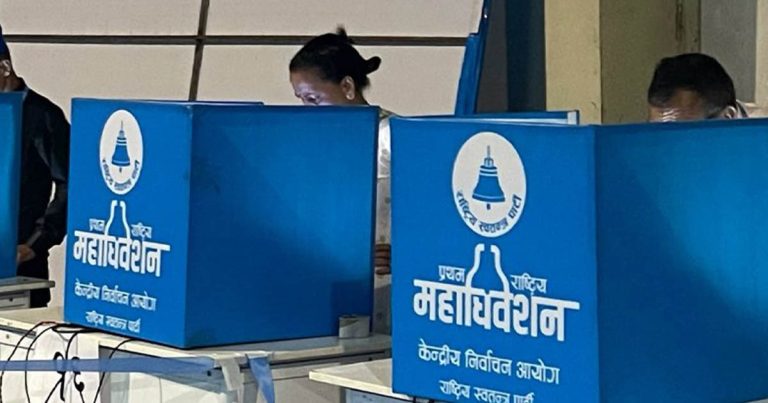
The controversy deepened during the leadership election after only about one-third of the accredited delegates were able to cast their votes. Several delegates accused the election committee of preventing them from voting after arriving just two minutes late.
Prominent party leaders and several lawmakers elected under the RSP banner also publicly expressed dissatisfaction on social media, alleging that party procedures had been violated during the convention.
Although Rabi Lamichhane and Balen Shah had jointly urged party members to avoid factional politics during the opening session, disagreements surfaced before the office-bearer election. Kavindra Budhalakoti, Ganesh Parajuli and others withdrew their candidacies and announced support for Bipin Kumar Acharya, prompting rival candidate Ganesh Karki to accuse the leadership of encouraging factional alignment despite their public calls for unity.
Legal warning and inclusion concerns
The disputes did not remain confined to the convention venue.
Pooja Bastola, a delegate representing Gandaki Province, alleged that she had received more votes than several candidates whose names appeared on the list of elected central committee members while hers did not.
She claimed that after filing a complaint with the party’s election commission she was threatened instead of receiving a fair hearing. Bastola has publicly announced that she will seek legal remedy through the Supreme Court.
The composition of the newly elected leadership has also attracted criticism, with concerns raised that most top office bearers, including the chair, belong to Brahmin and Chhetri communities while Dalit and Indigenous representation remains largely absent.
The party is currently administering the oath of office to its newly elected office bearers and central committee members. While the convention has formally concluded, the internal disagreements that surfaced over the past five days are expected to remain a challenge for the party as it moves into its next organisational phase.