Nepal Schools Ignore Fee Rules, Hospital Crisis Exposed
In Janata Sanga Media Episode 2, the report highlights illegal school charges, Itahari medicine shortage, and civil service age concerns


A new episode of an investigative news series has brought forward multiple public concerns ranging from education fees to healthcare shortages and government policy changes. The report, based on Episode 2 of the “Janata Sanga Media” program by Khoj Samachar, highlights how several key issues are directly affecting citizens across Nepal. The program builds on its earlier launch, which focused on public grievances, and more details about its background can be found in the Janata Sanga Media launch report.
In this episode, host Roshan Shrestha presents three major issues: schools allegedly ignoring government directives on fees, a shortage of medicines at a government hospital in Itahari, and growing concern among civil service aspirants due to a proposed reduction in the age limit for government jobs. Each issue reflects broader challenges in governance, accountability, and public service delivery.
Schools Accused of Ignoring Ministry Directive on Fees
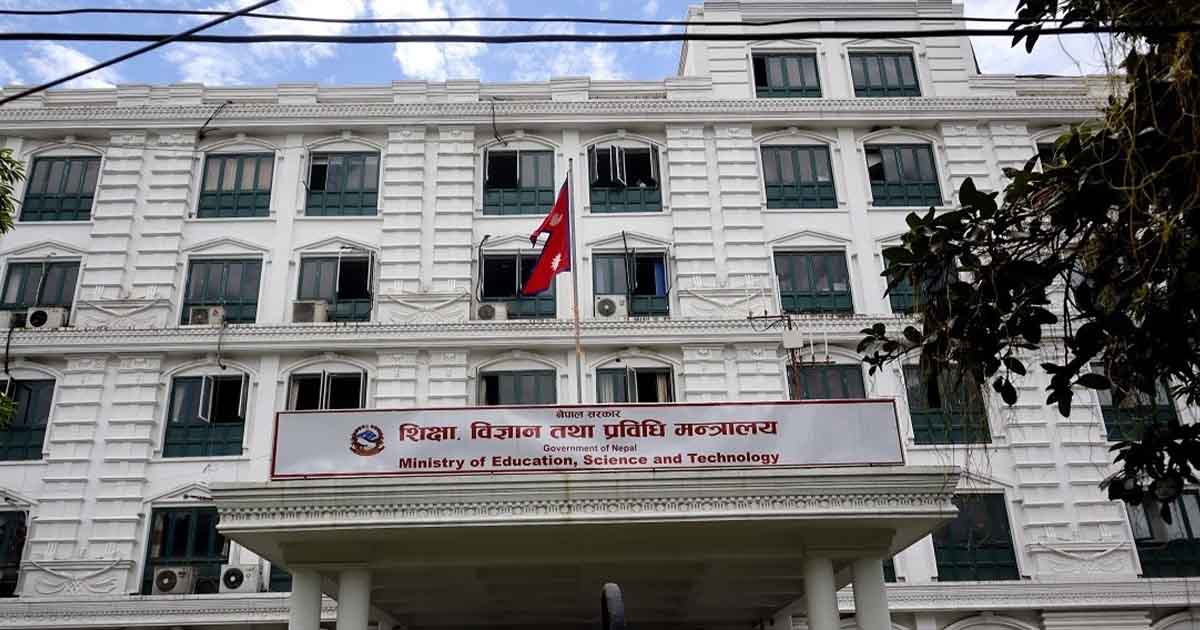
The Ministry of Education had issued a clear directive on April 4, 2026 (Chaitra 22, 2082), instructing both private and public schools to stop collecting unauthorized fees. The directive specifically prohibited early admissions before the academic session begins, advance payments, annual admission charges, and other unnecessary fees under various headings.
However, according to the report, the situation on the ground appears very different. Despite the official notice, many schools continue to collect fees by simply changing their labels rather than stopping the practice altogether.
Receipts Show Continued Fee Collection Under New Labels
The investigation presented multiple receipts as evidence of ongoing fee collection:
- A school in Dang reportedly charged Rs. 2,100 under the label “annual fee,” even though it had previously collected similar amounts as “admission fee.”
- Another school in Parsa charged Rs. 2,500 from parents as a “half-yearly fee.”
- In Jhapa’s Damak Municipality, a parent claimed that a school collected Rs. 10,000 as a “parent donation,” replacing a previous admission fee of Rs. 11,900.
These examples suggest a pattern where schools comply with the directive in name but continue the same practices in reality. Parents have raised concerns that the financial burden has not decreased and, in some cases, has increased.
Parents Face Pressure and Lack of Transparency
The report also highlights the challenges faced by parents who question these fees. Some schools reportedly respond by asking parents to transfer their children elsewhere if they are unwilling to pay. There are also complaints that certain institutions collect money without issuing receipts, making it difficult for parents to prove misconduct.
This situation has created tension between schools and families. While the government directive was widely praised on social media, its lack of enforcement has left parents frustrated.
The program calls on the Education Minister to take stronger action by introducing an accessible complaint system. It suggests launching a website where parents can submit evidence of illegal fee collection, followed by verification and immediate action against schools found violating the rules.
Medicine Shortage Reported at Itahari Government Hospital
The second major issue covered in the episode is a reported shortage of medicines at a government hospital in Itahari-9, Sunsari. Patients have allegedly been facing difficulties for several months due to the unavailability of essential medicines.
According to information presented in the report, the hospital administration has cited the expiration of a supply contract with a pharmaceutical company and delays in renewal as the reason behind the shortage. As a result, patients are often told that certain medicines are not available.
This has raised serious concerns about the impact on public health, especially for those who depend on government facilities for affordable treatment.
Public Health Concerns Grow Amid Ongoing Supply Issues
The report includes an audio testimony provided by a local individual, highlighting the difficulties faced by patients. The situation indicates a gap in coordination and timely procurement, which is critical in healthcare services.
The program urges the concerned authorities and the Ministry of Health to address the issue immediately. It stresses that prolonged shortages of medicines can lead to avoidable suffering and undermine trust in public health institutions.
Proposed Civil Service Age Limit Change Sparks Anxiety
The third issue discussed in the episode focuses on a proposed policy change regarding the age limit for civil service entry. The government has started collecting public feedback on a draft plan to reduce the maximum age limit for applicants.
Currently, the age limit stands at:
- 40 years for women
- 35 years for men
The proposed change aims to reduce this to:
- 35 years for women
- 32 years for men
While the proposal may be part of broader administrative reforms, it has created concern among thousands of aspirants preparing for civil service exams.
Aspirants Fear Losing Years of Preparation
Many candidates spend years preparing for civil service exams, which are known for their difficulty and limited selection rates. The sudden proposal to lower the age limit could prevent candidates in their early 30s from even appearing for the exams.
The report notes that some individuals who have already invested significant time and effort are now facing uncertainty and stress. There are also concerns that such abrupt policy changes could lead to mental health challenges among affected candidates.
The program emphasizes the need for the government to carefully consider the long-term impact of such decisions. It suggests that any changes should include a transition period or special provisions to ensure fairness for those already in the system.
Call for Accountability and Balanced Policy Decisions
Across all three issues, a common theme emerges: the gap between policy decisions and their real-world implementation. Whether it is education, healthcare, or employment, the report highlights how citizens continue to face challenges despite official announcements and reforms.
The episode concludes by calling for stronger enforcement, transparent systems, and more inclusive decision-making processes. It stresses that policies must not only be well-designed but also effectively implemented to ensure they truly benefit the public.
As the “Janata Sanga Media” series continues, it aims to bring more such ground-level issues to light, providing a platform for citizens’ voices and encouraging accountability from those in power.


Written by Roshan Shrestha
Roshan Shrestha is a Nepali investigative journalist and founder of Khoj Samachar, covering corruption, transparency, and public-interest issues.
Arzu Rana and the Passport Scandal Explained: Inside Nepal’s E-Passport Probe
Janakpur Dham Waste Management Crisis Raises Public Concern
Sudan Gurung Reopens Nepal’s Palace Massacre Debate After 24 Years

What Nepal’s NHRC Gen Z Protest Report Reveals
What Is MoFA Mitra App and How to Use It?
Deuba Couple Case: Supreme Court Cancels Arrest Warrant
Why Kaski Court’s Decision Could Reshape Rabi Lamichhane’s Case
