Balen Shah Calls Unions Sleeper Cells, Bans Politics
Prime Minister Balen Shah moves to remove party influence from universities and civil service, calling unions hidden political actors


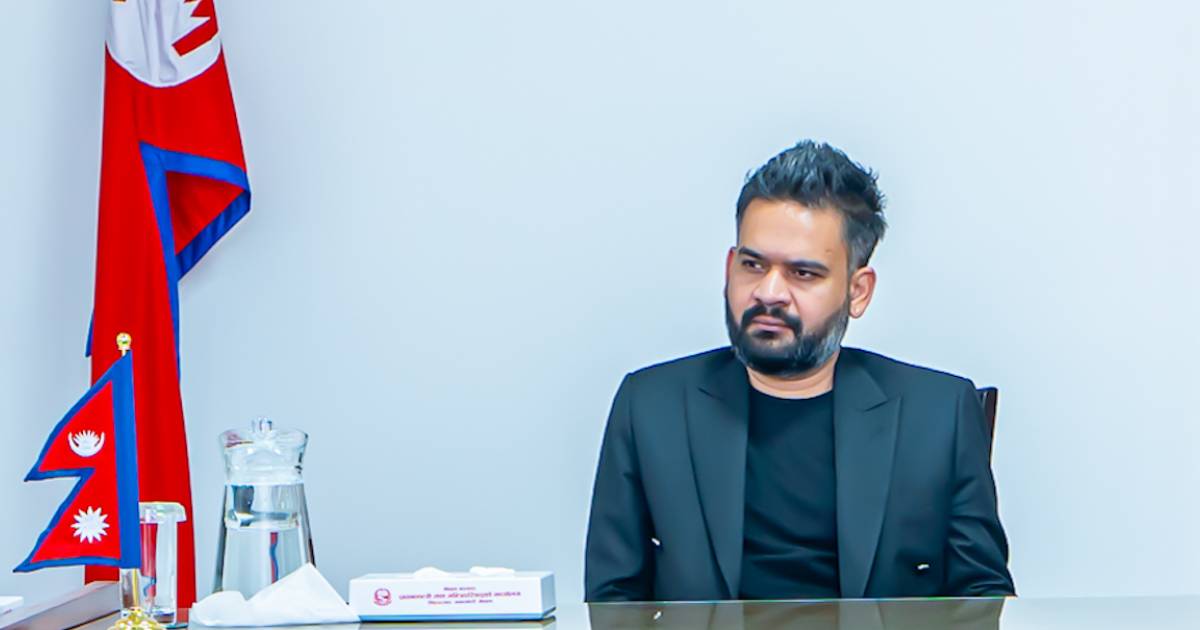
Prime Minister Balen Shah has sparked a national debate after describing student unions and employee associations as “sleeper cells,” as his government moves to remove party-based influence from educational institutions and the civil service.
The remarks came alongside a decisive policy step introduced through an ordinance aimed at banning political affiliations within universities and government offices.
The move is being presented as a structural reform to restore professionalism, but it has also raised questions about political freedom and institutional independence.
Government Push to End Party Influence
The Prime Minister announced that political activities tied to parties will no longer be allowed within educational institutions and the bureaucracy. The decision is part of a broader effort to reduce what he described as long-standing political interference.
According to him, many student and employee organizations have gradually shifted away from their original purpose. Instead of representing the interests of students and staff, they have often acted in alignment with political parties.
He argued that such practices have weakened institutional systems and damaged public trust over the years.
“Sleeper Cell” Comment Draws Attention
In explaining the decision, the Prime Minister used the term “sleeper cell” to describe these organizations. He suggested that they operate quietly under political influence, supporting party agendas while appearing independent.
The term generally refers to hidden actors who remain inactive until called upon to act for a specific cause. By using this expression, he emphasized what he sees as a hidden layer of political control within institutions.
His comments have quickly gained public attention, as they directly challenge the long-standing presence of politically aligned unions in universities and government offices.
Concerns Over Politicization of Institutions
The Prime Minister pointed to a wider concern that has been raised for years by various groups, including journalists, public figures, and citizens.
He noted that:
- Political affiliation has often been valued more than merit
- Connections have outweighed competence in many cases
- Institutional systems have been influenced by party interests
According to him, these trends have weakened the credibility of public institutions and reduced confidence among citizens.
He argued that the current reform is not sudden, but rather a response to long-standing concerns about the growing politicization of key sectors.
Merit-Based System at the Center of Reform
A central part of the government’s message is the shift toward a merit-based system. The Prime Minister emphasized that decisions related to recruitment, transfer, and promotion should be based on ability and qualifications, not political connections.
He stated that the ordinance aims to create a professional environment where individuals are evaluated on performance and skill.
The government believes this will strengthen both education and public service, making them more efficient and accountable.
Position on Political Participation
While the government is restricting party involvement within institutions, the Prime Minister clarified that it does not oppose political awareness or education.
He expressed support for students learning about politics, but in a more structured and responsible way. According to him, students should gain knowledge through academic guidance rather than through direct involvement in party activities.
Similarly, civil servants are expected to focus on public service and administrative processes rather than political alignment.
This distinction is being highlighted as a key element of the reform, aiming to separate professional roles from political influence.
Response to Criticism and Clarifications
The Prime Minister rejected the idea that the decision targets any specific political group. He insisted that the reform is not a political battle, but an attempt to protect the system itself.
He also addressed criticism suggesting that the move could limit organizational freedom. According to him, the intention is not to remove rights but to ensure independence from party control.
He further stated that if his own party had wanted to expand its influence, it could have easily formed new organizations. However, he argued that adding more political groups would not solve the underlying problems.
Instead, the focus is on reducing political dependency and strengthening institutional integrity.
Call for Public Support
In his closing remarks, the Prime Minister appealed to the public for trust and cooperation. He stressed that meaningful change requires action, not just discussion.
He said the government came into power with a commitment to respond to public expectations, and this reform is part of that promise.
He encouraged citizens to see the decision as a step toward long-term improvement, aimed at building stronger and more independent institutions.
The Prime Minister concluded by assuring that all actions taken by the government are intended to serve the broader interests of the people, urging the public to remain confident in the direction of the reform.


Written by Roshani Shrestha Pathak
Roshani Shrestha Pathak is the English Bureau Chief at Khoj Samachar, overseeing English-language editorial operations and newsroom coordination.
Nepal to Fine Fuel Pumps Up to NPR 1 Million for Shutting Down
Why Susta Residents Have Come to Kathmandu?
Nepal Government to Print National ID Cards Itself
Everything You Need to Know About the 2026/27 National Budget

Singha Durbar Toilets Remain in Poor Condition
Manoj Kumar Sharma Set to Become Nepal’s Chief Justice

Koshi Police Honors Inspector Sagar Sah for Innovative Policing