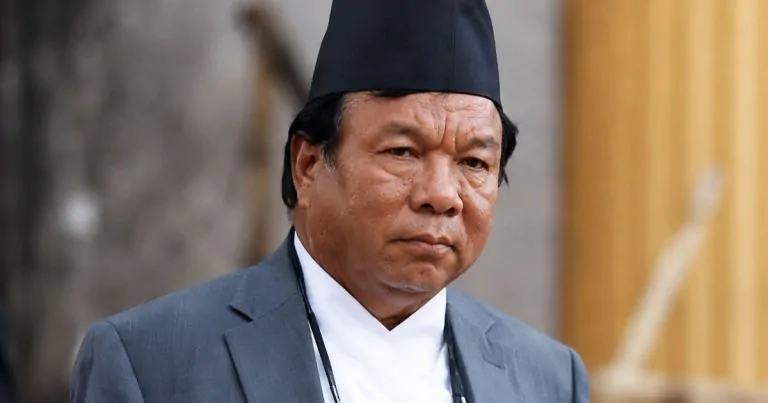
What Nepal’s NHRC Gen Z Protest Report Reveals
The NHRC’s 29-page report examines how the Gen Z protests turned violent and names politicians, activists, security officials and online figures for investigation.


Human Rights Commission Report on Gen Z Protests Triggers Political Debate in Nepal. A 29-page report released by Nepal’s National Human Rights Commission on the Gen Z protests held on Bhadra 23 and 24 has sparked intense political debate across the country.
The report details how the protests began, how violence escalated, the role of social media, security failures, and the names of politicians, activists, YouTubers and officials recommended for investigation.
Social Media Ban Blamed for Triggering Protests
According to the commission, the main reason behind the protests was the attempt by the then KP Sharma Oli-led government to restrict social media through a cabinet decision that the report says went against constitutional and human rights principles.
The report states that the move created widespread anger among young people, eventually leading to the Gen Z protests.
How Did a Peaceful Protest Turn Violent?
The commission identified two major reasons behind the sudden escalation of violence during the Bhadra 23 protest.
The first was the involvement of a biker group wearing TOB-branded T-shirts and tattoos.
The second was the active leadership role played by Sudan Gurung, chairperson of the “Hami Nepal” organization and a current RSP lawmaker.
According to the report, organizers of the Gen Z protest had obtained permission from the Kathmandu District Administration for a peaceful demonstration. However, before the protest even began, Sudan Gurung’s team had reportedly prepared ambulances and volunteers near the protest site.
The report also says protest organizers had earlier warned Sudan Gurung not to join the movement.
Fake Police Page and AI Used to Spread Rumors?
The commission claims that misinformation was spread online in an organized manner during the protests.
According to the report, a fake Facebook page under the name “Nepal Police” circulated claims that police would not shoot students if they joined protests wearing school uniforms.
The commission says various AI tools were used to spread such misleading content.
Claims of Preparations to Target Key Government Buildings
The report alleges that some groups had made preparations to attack key government institutions in Kathmandu, including Singha Durbar and the Supreme Court.
It also mentions that petrol bombs had reportedly been prepared before the protests escalated.
According to the commission, the violence on Bhadra 24 was not merely a crowd-control failure but appeared to involve organized and pre-planned activities.
Who Has Been Recommended for Investigation?
The report names several political leaders, security officials, activists, artists and YouTubers for possible investigation and action.
Those named include former Prime Minister KP Sharma Oli, former Home Minister Ramesh Lekhak, RSP chair Rabi Lamichhane, Sushila Karki, Om Prakash Aryal, Gauri Bahadur Karki, Prithvi Subba Gurung, Sudan Gurung and the TOB group.
RSP Leaders, Activists and YouTubers Also Named
The commission also listed several RSP lawmakers and public figures including Ganesh Karki, Sulav Kharel, Bablu Gupta, Krishna Karki, Dr Toshima Karki, Rajiv Khatri, Shom Sharma, KP Khanal, Dipak Bohora, Purushottam Yadav, Manish Jha, Jwala Sangroula, Ashika Tamang and Hari Dhakal.
Activists and content creators such as Rakshya Bam, Hemraj Thapa, Bimal Pant, Sisaan Baniya, Asim Man Basnet, Bhagya Neupane, Tank Dahal, Victor Poudel of Routine of Nepal Banda, Nishan Mainali and several others were also named in the report.
Security Officials Also Face Questions
The commission recommended investigation against several senior police and armed police officials, including former police chief Chandra Kuber Khapung and other top officers.
It also questioned the role of district administration officials and intelligence officers deployed around Baneshwor and the Parliament building during the protests.
Questions Raised Over Rabi Lamichhane ‘Jail Break’ Incident
The report also discusses the issue of Rabi Lamichhane leaving Nakkhu prison during the unrest.
According to the commission, reports of Lamichhane being released due to security concerns triggered attempts by prisoners in other jails to escape as well.
The report states that 10 inmates and juvenile detainees were killed by security forces during prison escape attempts in different districts on Bhadra 25.
The commission recommended deeper investigation into both Rabi Lamichhane and former prison administrator Satyaraj Joshi.
Commission Questions Use of Force
The commission described the violence of Bhadra 24 as a criminal incident and said former Home Minister Ramesh Lekhak and former Prime Minister KP Sharma Oli could not simply avoid responsibility by claiming they never ordered security forces to open fire.
Why Was PM Balen Shah Not Named?
One of the biggest discussions after the report’s release has been the absence of Prime Minister Balen Shah’s name from the final document.
This comes despite widespread discussion over the influence of Balen Shah’s Facebook posts before and during the protests.
At the time, Balen Shah had posted strong statements warning about Singha Durbar after traffic police stopped a government vehicle carrying his wife.
On the night of Bhadra 23, he also posted an angry message targeting then Prime Minister Oli, which quickly spread across social media.
The commission reportedly questioned Balen Shah for nearly two hours, but his name does not appear anywhere in the final report.
Questions Over the Army’s Role
The report also criticized the role of the Nepal Army during the unrest.
The commission said the army failed to respond effectively even while key state institutions and the President’s residence faced threats.
It further claimed the army did not fully cooperate during the investigation.
The army, however, stated in writing that no formal government decision had been made to mobilize troops on Bhadra 23 and 24.
The commission then questioned how troops appeared on the streets from the night of Bhadra 24 without an official deployment order.
Will the Recommendations Be Implemented?
The commission has recommended suspending and investigating those named in the report for at least six months.
If implemented, the recommendations could bring several politicians, activists, YouTubers and security officials under formal investigation.
But the biggest question now is whether the government will be willing to take action against influential political figures and its own allies.

Written by Roshan Shrestha
Roshan Shrestha is a Nepali investigative journalist and founder of Khoj Samachar, covering corruption, transparency, and public-interest issues.
Why Nepal Needs an AI-Based Digital Traffic Management System
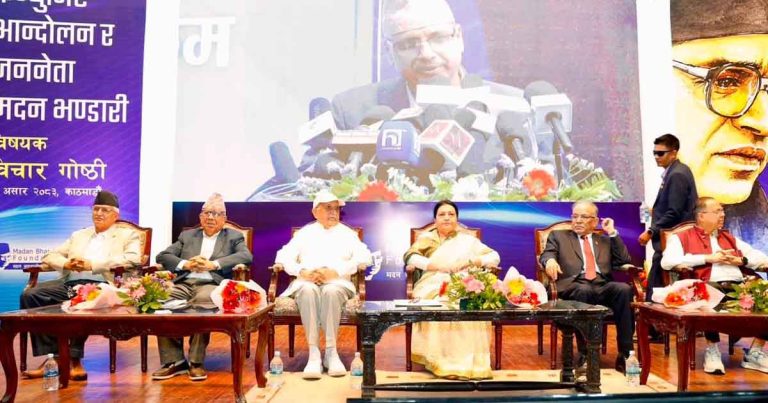
Four Former PMs Share Stage at Madan Bhandari Event
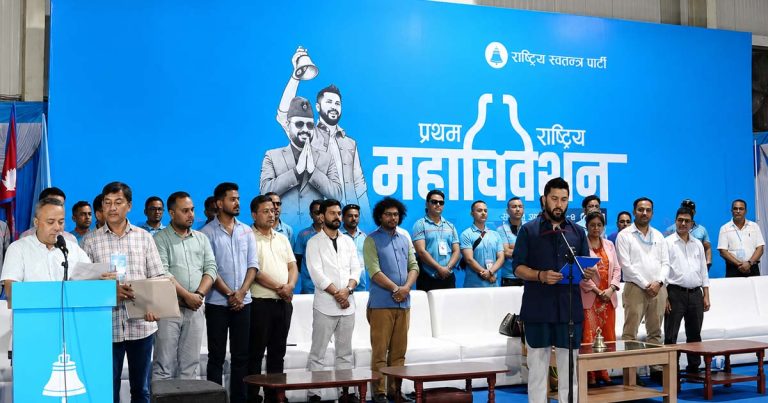
RSP Elects Rabi, Swarnim, Sobita and Bipin to Top Posts
RSP Central Committee Elected Members List 2026
Mukul Dhakal: Not Even Invited to RSP Convention
Who Attended RSP’s First National Convention in Chitwan?
Arzu Rana and the Passport Scandal Explained: Inside Nepal’s E-Passport Probe