
Deuba Couple Case: Supreme Court Cancels Arrest Warrant
The Supreme Court has cancelled the arrest warrant issued against Sher Bahadur Deuba and Arzu Rana, dealing another setback to the government’s money laundering investigation.


Former prime minister Sher Bahadur Deuba and his wife Arzu Rana Deuba have received temporary relief after the Supreme Court cancelled the arrest warrant issued against them in a money laundering-related investigation, creating another setback for the government’s attempt to pursue the case.
The court has also ordered authorities not to arrest the couple based on the now-cancelled warrant. The decision comes at a time when Interpol had already refused Nepal’s request to issue a Red Notice against them, saying the available grounds and evidence were insufficient.
The Department of Money Laundering Investigation had obtained the arrest warrant from Kathmandu District Court on Chaitra 14. Investigators claimed the Deuba couple had amassed illegal wealth through abuse of political power and state influence.
The issue gained wider public attention after the Genz movement protests held on Bhadra 23 and 24. During the protests, videos circulated on social media claiming bundles of cash were being shifted from the Deuba residence in Budhanilkantha.
After that, officials from the department reached the residence and collected partially burnt currency fragments, ash and other materials for forensic examination.
The arrest warrant was later issued based on that investigation.
But before the elections, Sher Bahadur Deuba and Arzu Rana had already left for Singapore, saying they were travelling for medical treatment. The government then approached Interpol seeking international assistance to bring them back to Nepal. Interpol, however, declined to issue a Red Notice.
While authorities were preparing another attempt to push for international action, the Supreme Court overturned the original arrest warrant itself.
Why The Supreme Court Cancelled The Warrant
The court pointed to several legal and procedural issues behind the decision.
One of the main reasons was a recently introduced ordinance related to money laundering cases. Under the new arrangement, such cases are now meant to be filed in the Special Court instead of the District Court.
According to the court’s interpretation, once the ordinance came into force, Kathmandu District Court no longer had jurisdiction to issue an arrest warrant in this type of case.
The Supreme Court also raised concerns about flaws in the warrant itself.
The order states that the document did not clearly mention Arzu Rana’s full identity. Instead, it referred only to “Deuba and his wife.”
The court said arrest warrants must clearly state the full name, address, allegations and details of the accused person under constitutional and legal requirements. It concluded that the warrant failed to meet those standards and therefore could not be considered legally valid.
Investigation Still Not Over
The ruling does not end the investigation against the Deuba couple.
The Supreme Court has only blocked arrests based on the warrant issued by Kathmandu District Court. The government can still seek a fresh warrant through the Special Court if it chooses to continue the case.
Still, with the couple currently outside Nepal and Interpol already rejecting the Red Notice request, the possibility of immediately bringing them back into custody appears weak.

Written by Roshan Shrestha
Roshan Shrestha is a Nepali investigative journalist and founder of Khoj Samachar, covering corruption, transparency, and public-interest issues.
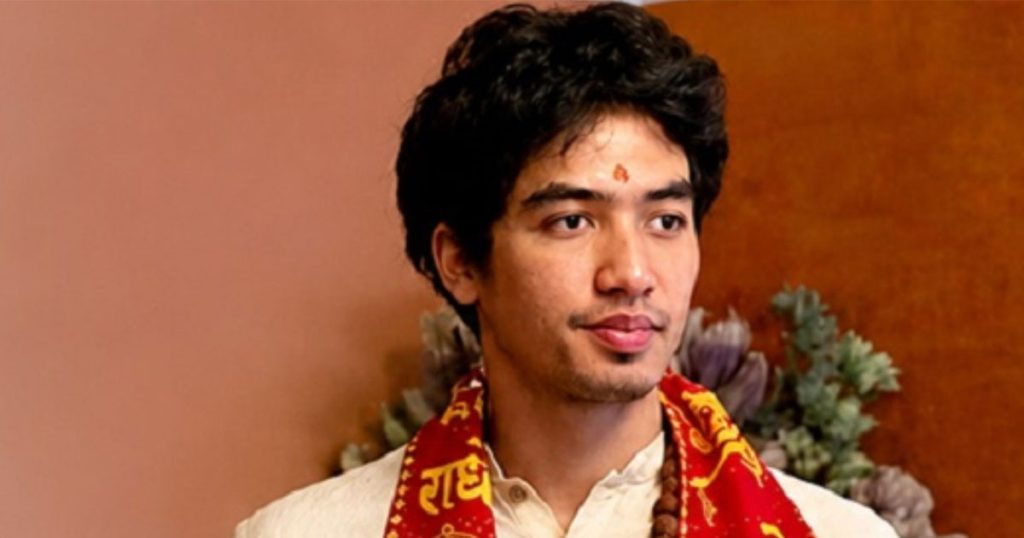
Jaybir Deuba Named in Money Laundering Notice
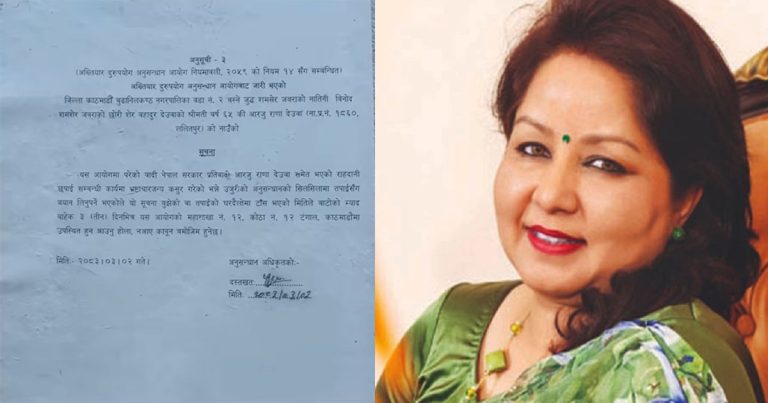
Arzu Rana and the Passport Scandal Explained: Inside Nepal’s E-Passport Probe

Janakpur Dham Waste Management Crisis Raises Public Concern

Sudan Gurung Reopens Nepal’s Palace Massacre Debate After 24 Years

What Nepal’s NHRC Gen Z Protest Report Reveals

What Is MoFA Mitra App and How to Use It?

Why Kaski Court’s Decision Could Reshape Rabi Lamichhane’s Case
