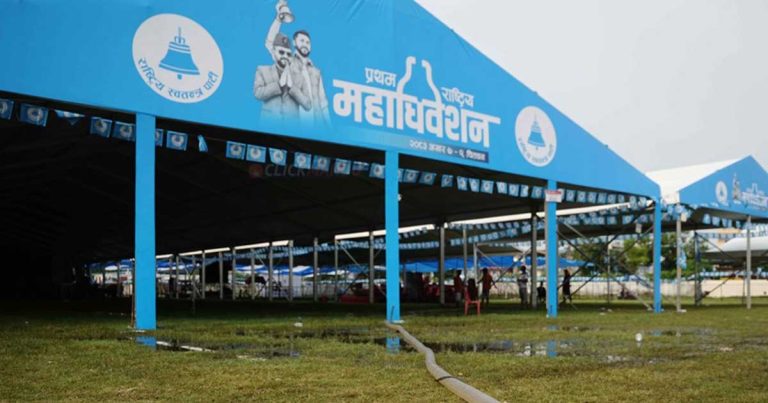
Rabi Lamichhane Case Explained: Why a Petition Is Not Case Withdrawal and What the Law Actually Allows in Nepal
Rabi Lamichhane has only filed a petition, not secured case withdrawal. Nepali law does not allow easy withdrawal of court cases, and the cooperative fraud case must be decided by fast-track courts, not political decisions.


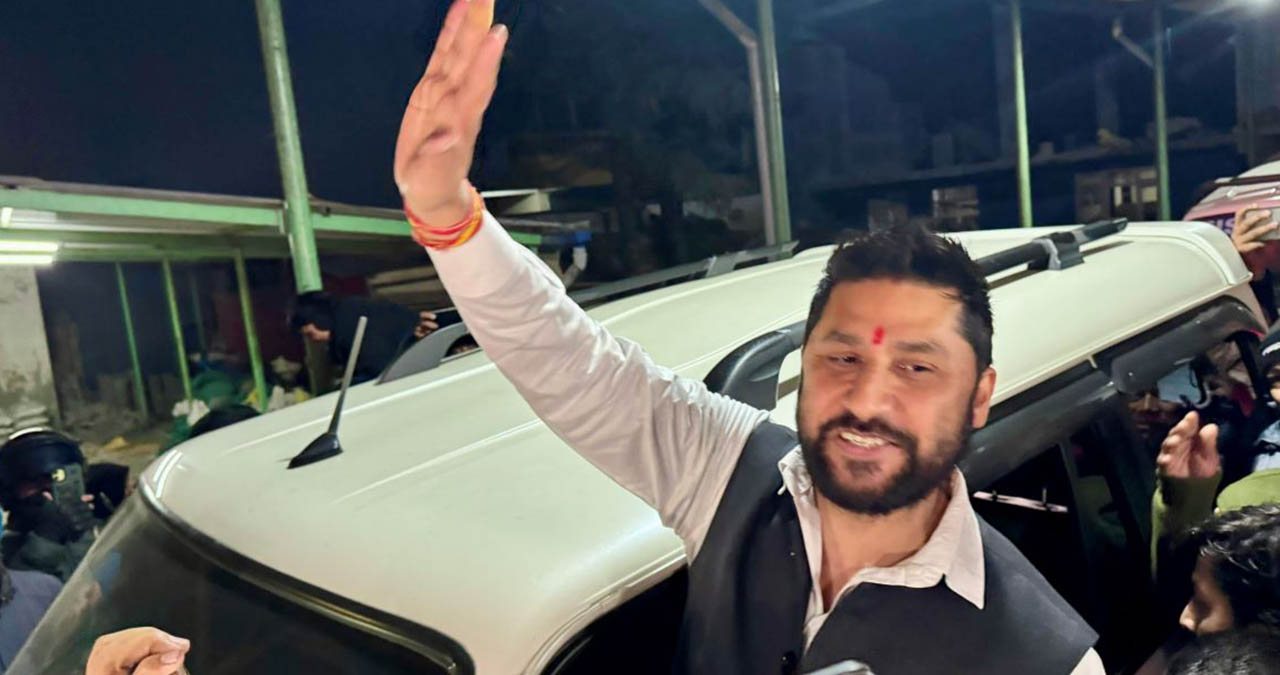
A citizen has the right to feel that the cases filed against him by the state were driven more by political revenge than by solid evidence. Because of this belief, he is fully allowed to submit a petition to the concerned government authority asking for those cases to be withdrawn.
Filing such a petition is neither a crime nor a trick. It is a legal right. The problem begins only when the government tries to go above the law, or uses shortcuts, to withdraw cases without following proper legal procedure. If that happens, then serious questions arise—about the government, the applicant, and the decision itself. Such decisions can be challenged in court, and investigations and public criticism naturally follow.
Where the Rabi Lamichhane Case Stands Today
At present, the case of Rabi Lamichhane is still in the first stage. Lamichhane has submitted a supplementary petition to the Office of the Attorney General. In that petition, he has reportedly stated that the previous Oli government filed three cases against him out of political vendetta. He has asked for two cases—organized crime and money laundering—to be withdrawn, while the cooperative fraud case remains unchanged.
It is important not to misunderstand this point:
So far, the government has not withdrawn any case.
Only a petition has been filed. Nothing more.
If the Attorney General’s Office rejects this petition, then all the current noise, speculation, and political debate will automatically collapse.
Can the Government Simply Withdraw Such Cases?
To put it clearly: In Nepal, there is no law that allows cases of this nature—already registered in court—to be withdrawn by a single decision of a government lawyer or the Attorney General.
Yes, the government can withdraw cases, but only after following a long and strict legal process, including approval from the Council of Ministers, and only in accordance with law. Even that path is not easy in Lamichhane’s case.
Why? Because this is not about one person alone. Along with Lamichhane, other individuals such as Chhabilal Joshi and GB Rai are also linked to the same case. The government cannot legally withdraw the case for one person while keeping it alive for others. If withdrawn, it would have to apply to all accused parties. That makes the idea of a “quiet, quick withdrawal” practically impossible.
On top of that, the presence of money laundering charges alongside organized crime creates even stronger legal barriers. Even if the government somehow decides to withdraw the case, there is a high chance that the court will overturn that decision, as has happened in past precedents.
Still, Nepal’s reality cannot be ignored. Recent cases—such as the fake Bhutanese refugee scandal and the human trafficking case involving a former Koshi Province minister—have shown that power and politics sometimes override norms. So while unlikely, nothing can be called impossible.
Was the Previous Government Politically Targeting Rabi Lamichhane?
The Rastriya Swatantra Party (RSP) has been clear from the beginning: they believe the case against Lamichhane was politically motivated. The party even ran a nationwide signature campaign before the Gen Z movement, claiming 2.5 to 3 million signatures in support of this view. Not all signatories were RSP supporters; many were ordinary citizens, and even members of major parties like Congress, UML, and Maoist.
Looking at the events objectively also raises questions. Lamichhane was arrested multiple times, kept in custody for 84 days, taken across five districts for investigation, and faced unusually aggressive prosecution. Government lawyers were even brought in from other districts to argue the case. Eventually, he was released—first on bail, then on general release.
Such intensity is rarely seen in similar cooperative fraud cases in Nepal. Another key point: in the Supreme Cooperative fraud case from Rupandehi, three complainants publicly stated that they never named Lamichhane directly in their complaints. They claimed police misused general complaints to implicate him, and even announced they would withdraw their complaints against him.
All this strongly suggests that the Oli government acted more aggressively than usual in Lamichhane’s case.
Why Case Withdrawal Is Still the Wrong Answer
Even if political revenge played a role, this does not justify bypassing the courts. This cooperative fraud case has reached five different courts and involves thousands of affected depositors. Clearing Lamichhane through executive decisions, without a judicial verdict, would be deeply unjust.
The best and most fair solution is simple: Put all cooperative fraud cases across Nepal on fast-track, and let the courts decide—quickly and independently.This issue is no longer about one or two individuals like Rabi or Chhabi. It is about millions of cooperative victims who are waiting for justice.
Fast, fair court decisions—not political shortcuts—are the only way forward.


Written by Roshan Shrestha
Roshan Shrestha is a Nepali investigative journalist and founder of Khoj Samachar, covering corruption, transparency, and public-interest issues.
Nepal to Fine Fuel Pumps Up to NPR 1 Million for Shutting Down
Why Susta Residents Have Come to Kathmandu?
RSP Elects Rabi, Swarnim, Sobita and Bipin to Top Posts
RSP Central Committee Elected Members List 2026
Nepal Government to Print National ID Cards Itself
Mahesh Basnet Defends Bishnu Paudel After Arrest
Mukul Dhakal: Not Even Invited to RSP Convention