Iran Warns of Inevitable Response After U.S. Airstrikes on Nuclear Sites
Following U.S. airstrikes on its nuclear sites, Iran condemned the attacks as a violation of sovereignty and international law. Tehran has called on the UN Security Council to convene an emergency session and warned of a strong response.


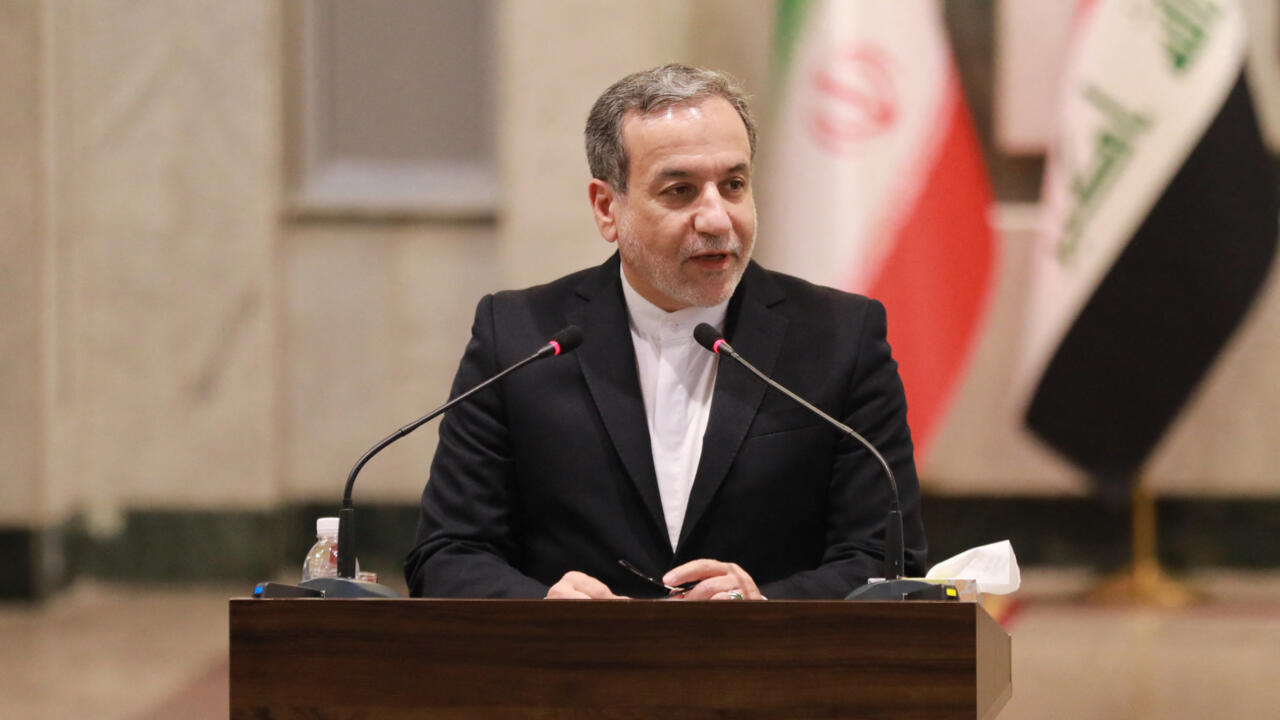
Iran has issued a strong warning following U.S. airstrikes targeting its nuclear infrastructure, declaring that a response is inevitable. The Iranian leadership condemned the strike as a serious violation of national sovereignty and international law.
On Saturday, the United States launched coordinated airstrikes on three key Iranian nuclear sites—Fordow, Natanz, and Isfahan. U.S. President Donald Trump claimed the operation had “crippled Iran’s nuclear capabilities,” escalating already high regional tensions.
Iran Condemns Attack, Calls for UN Action and Warns Israel
Speaking on Sunday, senior Iranian diplomat Abbas Araghchi said, “By launching an airstrike on our territory, the United States has clearly crossed a dangerous line. Such aggression cannot go unanswered. Iran will take all necessary steps to protect its national security.”
Araghchi stated the attack was not only an infringement on Iranian sovereignty but also a direct violation of international law and the United Nations Charter. “We have exercised restraint, but defending our country is our undeniable right,” he emphasized.
He urged the United Nations Security Council to immediately convene an emergency session to address what he called the United States’ “reckless and unlawful aggression” and to hold Washington accountable for violating international law.
Araghchi also issued a warning to Israel, stating, “Iran will not only respond to the American military action, but also defend itself against Israel’s irresponsible and illegal activities by every possible means.”
Iran has not yet officially confirmed or denied the extent of damage caused by the U.S. strikes. However, analysts warn that the incident could significantly increase tensions across the Middle East and potentially lead to broader conflict in the region.


Written by Khoj Samachar Editorial Team | News Desk
Editorial team of Khoj Samachar responsible for publishing and managing news content, quality and timely coverage of national and global developments.
9 Detained After 453 Nepalis Rescued from India
President to Deliver Republic Day Address, Prime Minister Not Speaking
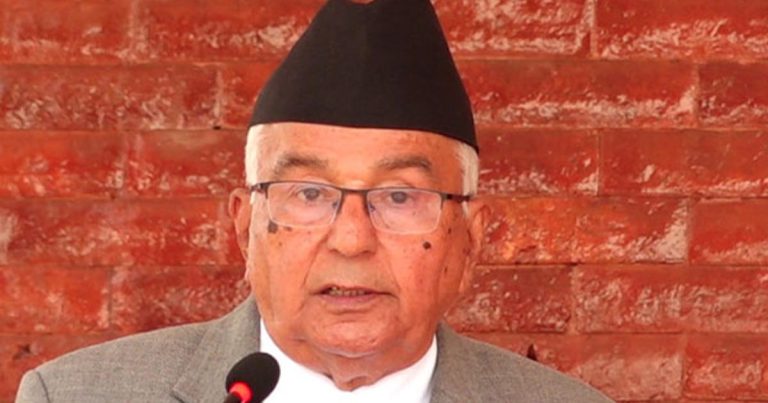
Republic Day: President, Vice President Call for Stronger Democracy

RSP MP Mingma David Sherpa Returns to Kathmandu After Everest Summit
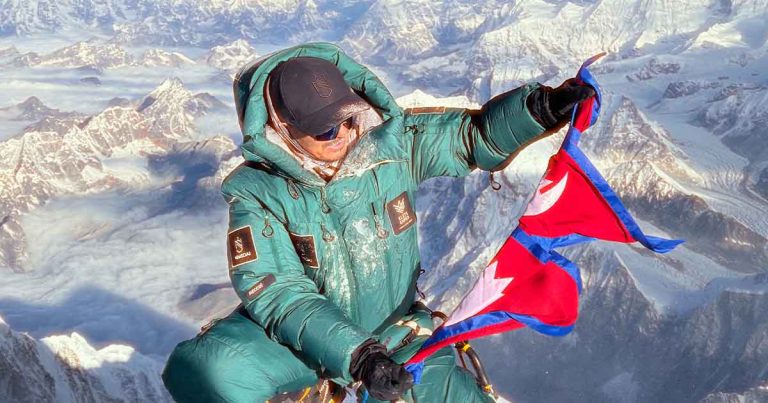
Mingma David Sherpa Climbs Everest With Parliament Logo
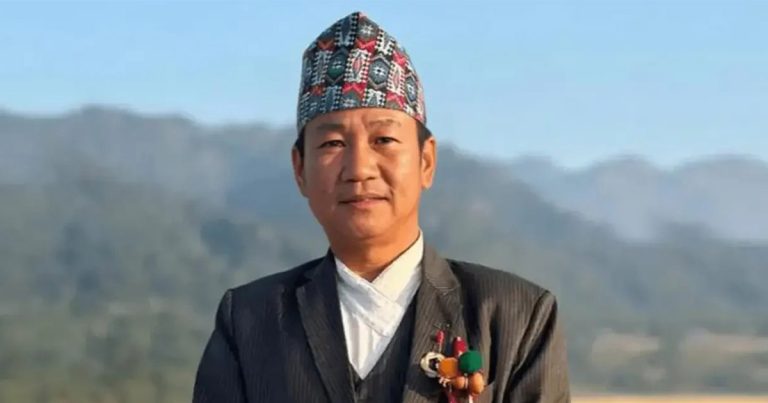
Harka Asks Rabi To Raise Kalapani Issue During India Visit

Kathmandu Metro Issues Final Notice to Gorkha Media