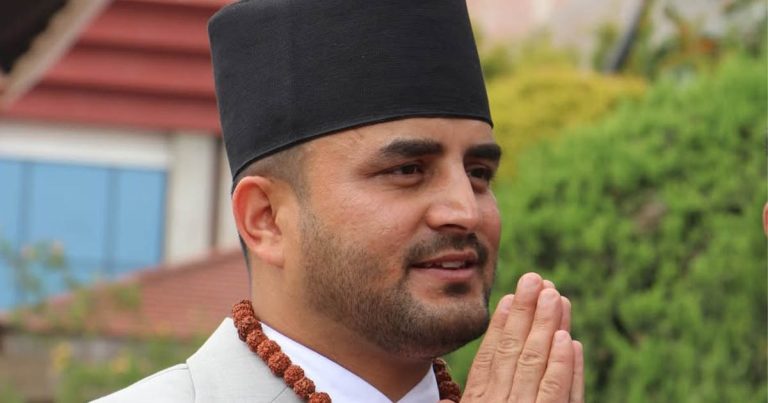
Ashika Tamang Faces Clarification Over Party Criticism
Rastriya Swatantra Party prepares to seek clarification after Ashika Tamang questioned spending on a parliamentary training program



Rastriya Swatantra Party lawmaker Ashika Tamang has come under internal scrutiny after publicly questioning her party’s decision to organize a parliamentary training program outside the federal administrative complex. Senior party leaders are now preparing to seek clarification from her following a series of remarks shared on social media.
The controversy emerged after the party launched a two-day parliamentary practice and leadership development training program on Saturday at a venue in Jawalakhel. Tamang openly criticized the decision to hold the event outside Singha Durbar, arguing that government facilities already provide enough meeting halls for such programs.
Her comments have triggered debate inside the party over financial discipline, transparency, and whether newer political forces are beginning to follow the same practices they once criticized.
Party Preparing to Seek Clarification
Leaders within the Rastriya Swatantra Party said preparations are underway to formally ask Tamang to explain her public statements regarding the training event.
According to party insiders, the move came after the lawmaker repeatedly expressed dissatisfaction online about the venue selection and the possible expenses involved in organizing the program outside government premises.
The training program, which began on Saturday, focuses on parliamentary practices and leadership development for party lawmakers. However, Tamang’s criticism quickly shifted public attention from the event itself to questions surrounding spending and accountability.
The lawmaker represents Dhading-2 in the House of Representatives.
Questions Raised Over Venue Expenses
Ashika Tamang strongly questioned why lawmakers needed to gather in expensive venues when government facilities inside Singha Durbar were already available.
In her social media remarks, she argued that there appeared to be no compelling reason to organize such events in luxury hotels or rented halls outside the main government complex.
She also asked who would be responsible for maintaining records of the expenses associated with holding the program externally.
- She questioned the need for outside venues despite the availability of multiple meeting halls inside Singha Durbar.
- She raised concerns about daily operational costs linked to the event.
- She called for accountability regarding public spending and financial management.
Her statements reflected broader concerns about whether political parties are maintaining the values of transparency and cost-conscious governance that many had promised during elections.
Security Justification Also Challenged
The lawmaker further challenged any possible justification related to security arrangements.
Tamang argued that if the program venue was chosen because of security considerations, then similar protection should logically be necessary at all times rather than only during special events.
Her remarks appeared aimed at questioning whether the additional spending could genuinely be defended on practical grounds.
The comments quickly attracted attention on social media, where supporters and critics alike debated whether her concerns reflected accountability or internal disagreement within the party.
The issue has also renewed public discussion about how political organizations use state resources and whether elected representatives should avoid costly arrangements whenever government infrastructure is available.
Debate Over Political Culture and Public Expectations
Tamang’s criticism extended beyond the training venue itself and touched on wider expectations surrounding newer political parties.
She argued that political forces claiming to represent change should avoid repeating the same practices they had previously criticized in traditional parties.
The lawmaker said political leaders often speak against unnecessary spending and promise more responsible governance, but such commitments lose meaning if actual behavior does not reflect those promises.
Her remarks suggested concern that public trust could weaken if reform-oriented politicians are seen adopting the same patterns associated with older political structures.
The issue has become especially significant because the Rastriya Swatantra Party has frequently presented itself as an alternative force focused on accountability, transparency, and institutional reform.
Internal Reactions Inside the Party
The public nature of Tamang’s criticism appears to have created discomfort within party leadership.
Leaders preparing to seek clarification reportedly viewed the social media comments as problematic because they concerned internal party activities and organizational decisions.
At the same time, the controversy has highlighted differing views within the party about how disagreements should be handled.
Some supporters believe lawmakers should be free to publicly question spending decisions, especially when taxpayer resources may be involved. Others argue that internal concerns should first be addressed through party mechanisms rather than through public platforms.
The disagreement has exposed the challenges faced by relatively new political parties attempting to balance internal discipline with commitments to openness and accountability.
Public Attention Focuses on Accountability
The debate surrounding Ashika Tamang’s remarks has drawn attention far beyond the training program itself.
Questions surrounding government spending, venue selection, and political transparency remain highly sensitive among voters who expect reform-oriented parties to demonstrate stricter financial discipline than traditional political groups.
The controversy also reflects broader public frustration over perceptions of unnecessary spending in politics.
As discussions continue, attention is likely to remain focused on whether the party formally seeks clarification from Tamang and how the lawmaker responds to concerns raised by party leadership.
For now, the incident has become another test of how the Rastriya Swatantra Party manages internal criticism while maintaining the public image of a political movement committed to change and accountability.


Written by Roshani Shrestha Pathak
Roshani Shrestha Pathak is the English Bureau Chief at Khoj Samachar, overseeing English-language editorial operations and newsroom coordination.
Sunil Lamsal Opens Nagdhunga Tunnel, Operations Begin Today
Nepal Moves to Standardise Burn Treatment Nationwide
Nepal to Impose VAT on Electricity Bills from Tomorrow
Nepal’s Free Treatment Portal Serves Over 2,200 in 90 Days
Minister Nisha Mehta Pushes Burn Care Across Seven Provinces
Nepal Supreme Court Opens Government Ads to Private Media
Full LPG Cylinders to Be Sold After Minister Yadav’s Order