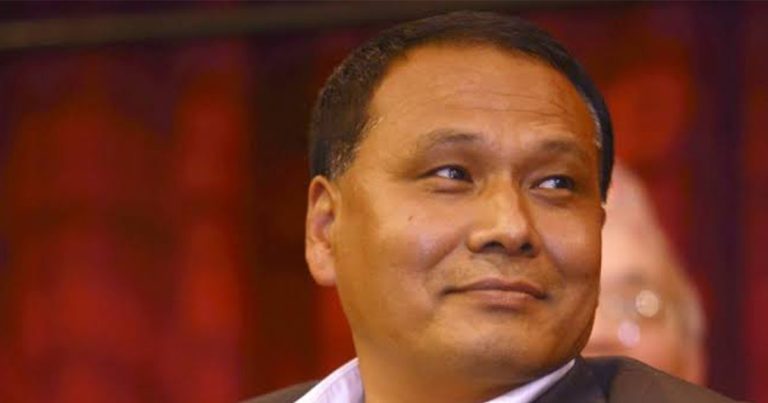
RSP Puts Som Sharma Back on Central Committee
The party reversed an earlier decision that replaced the fourth-highest vote-getter while applying gender and cluster rules.


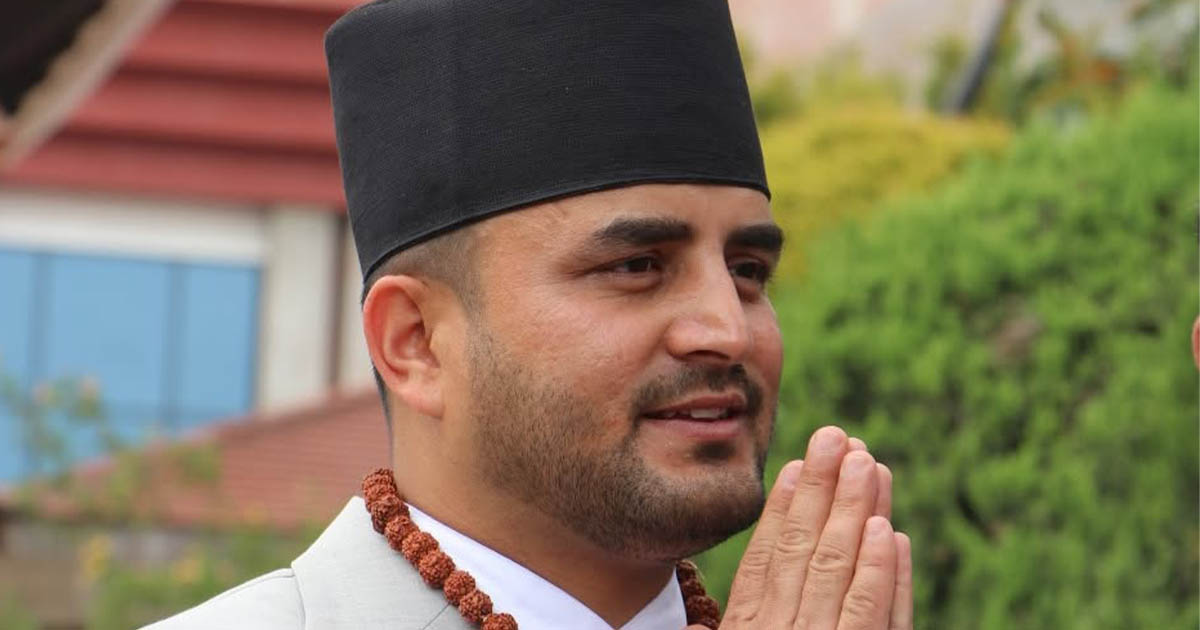
The Rastriya Swatantra Party has made a final correction to its list of central committee members elected from Gandaki Province, restoring Som Sharma after an earlier decision replaced him with Puja Bastola.
Sharma had secured the fourth-highest vote total in the Gandaki contest during the party’s general convention in Chitwan. His removal, despite that result, drew criticism over whether an administrative decision taken after the election could overturn the mandate given by party delegates.
Khoj Samachar had earlier highlighted the mismatch between the declared vote totals and the list published by the party, including video evidence from the election process. Some RSP supporters reacted angrily to that reporting. The party’s own reversal has now reinforced the relevance of the concerns raised over the original selection.
The dispute was never limited to one central committee seat. It showed how an internal election can quickly lose credibility when the rules governing votes, gender representation and social inclusion are explained only after candidates begin challenging the result.
How the Gandaki vote unfolded
RSP selected 99 central committee members through an internal election at its general convention. The contest was divided into national and provincial categories.
Each province was allocated five central committee seats. At least two of the five members elected from every province had to be women.
In Gandaki, Pavitra Thapa finished first with 1,076 votes. Her election filled one of the two mandatory seats for women.
Manish Khanal came second with 1,052 votes, followed by Sagar Bhusal with 1,040 votes. Som Sharma placed fourth with 993 votes.
Only one woman was among the first four candidates, meaning the fifth position had to go to a woman. Bishnukumari Gurung, who received 800 votes, was included in the elected list.
Puja Bastola, however, had received 913 votes—113 more than Gurung. Bastola challenged the decision through a press note posted on social media, arguing that the vote count placed her ahead. She also warned that she would move the Supreme Court if the decision was not corrected.
Sharma was removed to adjust women’s representation
After Bastola’s objection, RSP decided to include her in place of Som Sharma, citing its commitment to ensuring 51 per cent representation of women in the central committee.
That decision created a different problem.
Sharma had finished fourth and had already qualified under the provincial vote result. The party faced criticism for placing the responsibility of meeting its overall gender target on a candidate who had won his seat through the election.
The move was also seen as an attempt to alter the delegates’ verdict through a later administrative decision.
As criticism grew and the basis of the revised list came under scrutiny, RSP reversed its position. Bastola was removed from the Gandaki list, and Sharma was reinstated as an elected central committee member.
Why Bishnukumari Gurung remained on the list
Sharma’s reinstatement left another issue unresolved: why was Gurung retained when Bastola had received more votes?
An RSP lawmaker told Khoj Samachar that the decision was linked to the party’s cluster-based inclusion rules.
The four candidates placed first to fourth in Gandaki were all from the Khas Arya community. Under the party’s provisions, the group of five provincial representatives also had to reflect ethnic and social clusters. At least one member therefore had to come from an Indigenous community.
Gurung fulfilled two requirements. She was a woman and also represented the Indigenous cluster. The party says this was why she was selected as the fifth member despite receiving fewer votes than Bastola.
The final Gandaki list now includes Pavitra Thapa and Bishnukumari Gurung as the two women members. Gurung’s inclusion also fulfils the Indigenous representation requirement. Manish Khanal, Sagar Bhusal and Som Sharma occupy the remaining three seats.
RSP could have avoided much of the dispute by clearly publishing the relationship between vote totals, gender requirements and cluster representation before releasing the final list.
Instead, repeated changes placed the credibility of the internal election and the party leadership’s decision-making process under pressure.
The episode also carries a wider message for political parties and their supporters. A factual public question should not automatically be treated as an attack on the organisation. Such questions require transparent decisions and clear explanations, not anger directed at those who raise them.
RSP has now confirmed Som Sharma as a central committee member. The dispute, however, has left behind a larger debate over how political parties should balance electoral results with inclusion rules without weakening trust in either.

Written by Roshan Shrestha
Roshan Shrestha is a Nepali investigative journalist and founder of Khoj Samachar, covering corruption, transparency, and public-interest issues.
Sudan Gurung Makes Citizens Feel the State Is Present
Majid Ansari and Gen Z Arrests Raise Kirtipur Police Questions
Kulman to Energy Minister: Give NEA a Full-Time Chief
Is the Balen Government Heading Toward Authoritarianism?
Santosh Rajbanshi: When Will Farmers Get Fertilizer?
Lima Adhikari Urges EU Air Safety List Review
Bhutanese Refugee Scam: 16 Convicted, 7 Acquitted, 8 Fled