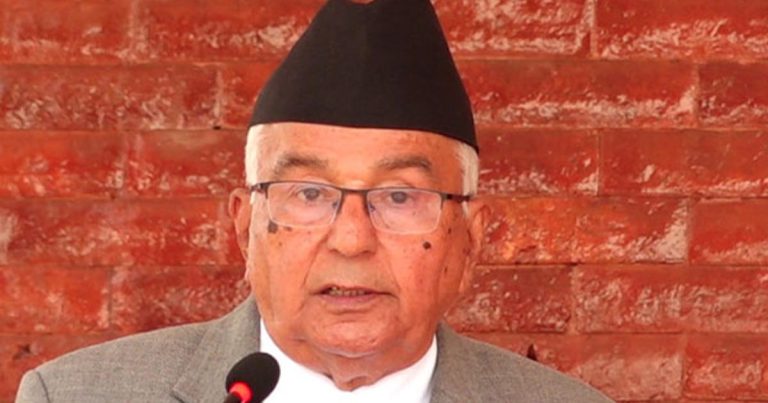
Minister Yadav Presses US to Restore Nepal Trade Preference
Minister Gauri Kumari Yadav presses acting envoy Scott Berman on investment, exports and reviving the stalled TIFA framework.


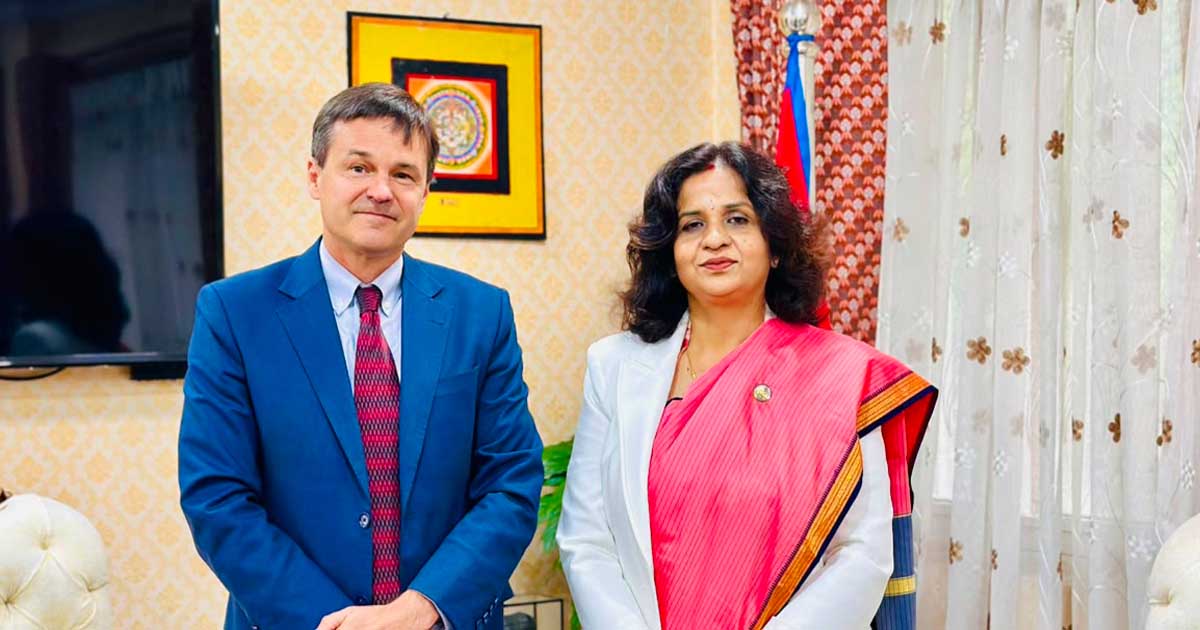
Industry, Commerce and Supplies Minister Gauri Kumari Yadav met acting US Ambassador to Nepal Scott Berman at the ministry on a courtesy call, and trade was the real subject on the table.
The Nepal Trade Preference Program, in place since 2015, lapsed last December. Yadav raised it early in the conversation, asking Washington to restore preferential access for Nepali goods entering the American market.
She also pushed for reviving the Trade and Investment Framework Agreement between the two countries. TIFA has existed for years but has largely sat unused — an understanding that appears to be shared inside the ministry itself. Yadav called for regular dialogue under the framework going forward.
Before getting into trade specifics, the minister referenced the diplomatic relationship dating back to 1947, acknowledging US support in health, education and economic development over the decades. She pointed to the Nepali diaspora in America as a force that keeps the relationship grounded at the people-to-people level, describing it as the foundation for a lasting partnership.
Investment Push Targets Hydropower, Tourism, Digital Economy
On investment, Yadav briefed Berman on the legal and policy reforms Nepal has carried out, and named the sectors she wants more American capital in:
- Hydropower and renewable energy
- Tourism infrastructure
- Agro-processing
- Manufacturing industries
- Digital economy
These are sectors the Nepal government has already marked as priorities, which gives the request more weight than a routine diplomatic ask.
A Trade Relationship Still Tilted Against Nepal
The numbers underline why the minister was pressing the issue. The United States is currently Nepal’s second-largest export destination. Woolen carpets, ready-made garments and pashmina continue to move steadily into the American market — the same traditional Nepali exports that have anchored this trade relationship for years.
But the trade balance has stayed unfavorable to Nepal for a long time. Yadav’s response to that imbalance was to call for stronger technology transfer and deeper partnerships between the private sectors of both countries, rather than relying on preference schemes alone.
Berman’s response, according to the ministry, was positive across the board — on preference renewal, on investment promotion, and on reactivating TIFA. He reaffirmed continued American partnership and support across areas of cooperation with Nepal.
What Happens Next
None of this becomes real without follow-through. The trade preference program has already expired, and reviving it will need a formal push beyond a courtesy meeting. Nepal’s export base remains narrow, concentrated in a handful of product categories, and the deficit keeps widening.
Whether this meeting turns into an actual policy outcome — a restored preference program, an active TIFA mechanism, fresh American investment in hydropower or tourism — is the part that will only become clear in the coming months.

Written by Roshani Shrestha Pathak
Roshani Shrestha Pathak is the English Bureau Chief at Khoj Samachar, overseeing English-language editorial operations and newsroom coordination.
Pathao, InDrive Riders to Pay 5% VAT on Earnings from Friday

Khawalung School Responds to Viral Teacher-Student Video
Nepal Cabinet Release of All Three Miterbyaj Commission Reports

Suspicious Vehicles at Media Gates Put Nepal’s Democracy on Trial

Khawalung School Video: What Happened Between Teacher and Student?
9 Detained After 453 Nepalis Rescued from India
President to Deliver Republic Day Address, Prime Minister Not Speaking