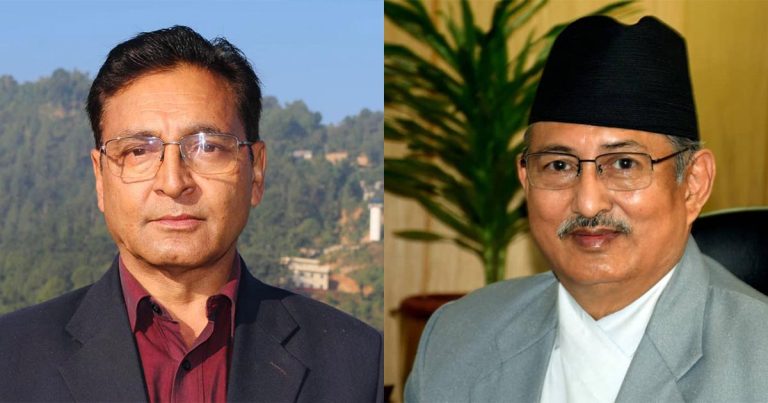
PM Balen Shah’s First House Address Triggers Dispute
Opposition lawmakers objected to an immediate question-and-answer session, arguing that House rules require a formal process before the Prime Minister can be questioned.


The appearance of Prime Minister Balen Shah in the House of Representatives on Sunday was expected to answer a long-standing demand for direct parliamentary accountability. Instead, it quickly opened a dispute over procedure, with opposition parties challenging the way a proposed question-and-answer session was being introduced on the floor of the House.
The disagreement was not over the Prime Minister’s presence itself. Lawmakers across the political spectrum have repeatedly called for the head of government to appear before Parliament and respond directly to members’ concerns. The dispute centered on whether the House could proceed with an immediate exchange without following the procedures set out in the House regulations.
Opposition Objects to Proposed Question Session
Soon after the meeting began, Prime Minister Shah indicated that he wished to address lawmakers. Speaker Dol Prasad Aryal consulted the parliamentary secretariat before granting him permission to speak from the rostrum.
Once at the podium, Shah said he was prepared to answer questions being raised by members of Parliament. The Speaker then moved toward allowing one lawmaker from each party to put questions to the Prime Minister.
That proposal immediately drew objections from opposition benches.
Chief whips from the CPN and CPN-UML argued that the House Rules contain a specific framework for conducting question-and-answer sessions with the Prime Minister and that the process could not be altered on the spot. They raised points of order, insisting that parliamentary procedures should be followed before such an exercise is allowed to proceed.
Debate Shifts From Accountability to Procedure
Opposition lawmakers pointed to Rule 56 of the House of Representatives Regulations, maintaining that direct questioning of the Prime Minister requires a formal process.
- Questions must be submitted in advance.
- The session should be conducted according to procedures outlined in the regulations.
- An immediate floor-based questioning arrangement is not envisioned under the existing rules, according to their interpretation.
The episode exposed a recurring tension within Parliament: the balance between encouraging direct executive accountability and maintaining procedural safeguards. While Shah’s willingness to respond to lawmakers was welcomed by many members, the argument over how such accountability should be exercised quickly overshadowed the planned interaction.
Next Steps Remain Unclear
With objections formally recorded, the future of the proposed question-and-answer session now depends on how parliamentary leaders and the House leadership interpret the regulations and build consensus on the process. For now, the debate has shifted from the content of lawmakers’ questions to the rules governing how those questions can be asked.

Written by Roshan Shrestha
Roshan Shrestha is a Nepali investigative journalist and founder of Khoj Samachar, covering corruption, transparency, and public-interest issues.
Supreme Court Orders Immediate Release of Former UML MP Koiri
Government Restores Personal Secretary Facility for Lawmakers
Balen Shah Chairs Cabinet Meeting at Singha Durbar
Sobita Gautam Sends 166-Bill Plan to Nepal Parliament
Four Congress Ministers Resign from Karnali Government
ANNFSU Students Protest at Singha Durbar South Gate
Manish Jha Calls for Investigation Into Media Blockades