Nepali Congress Shortens Event Seating Ceremony Time
Nepali Congress has introduced a new rule to complete seating arrangements quickly and start party programs on schedule


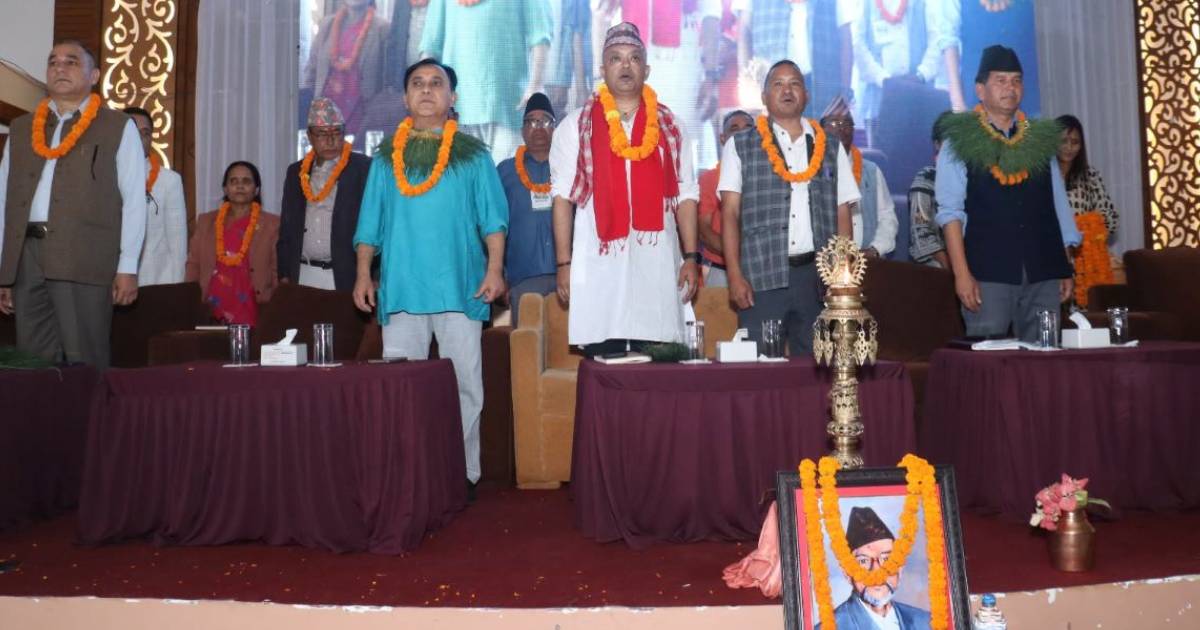
The Nepali Congress has introduced a major change to the way its public and internal events are conducted, ending the long-standing practice of extended stage seating ceremonies that often delay programs for long periods.
The new approach was implemented during a two-day provincial-level event organized in Dhangadhi by the party’s central policy, research, and training institution.
The event, which began exactly at 12:35 pm, completed its formal seating arrangement in just one and a half minutes, marking the start of a new organizational practice within the party.
The move is part of a broader effort to improve discipline, reduce unnecessary delays, and ensure party activities begin on schedule. Party leaders said the initiative is expected to be gradually adopted across all levels of the organization in the coming days.
New Approach Introduced at Provincial Program
The revised format was put into practice during the opening session of the provincial gathering in Dhangadhi, located in the far western region of the country.
At the event, the seating arrangement was completed immediately after the chairperson of the provincial institution and the chief guest took their designated places. Other leaders attending the program were seated collectively rather than being introduced individually in a lengthy process.
The shortened procedure significantly reduced the time usually spent on ceremonial formalities before the main program begins.
Party Leaders Push for Time Discipline
The decision to minimize the seating process follows an internal proposal approved during a central meeting of the party’s policy and training institution.
According to officials associated with the institution, the initiative was introduced to encourage punctuality and make party events more efficient. The leadership believes lengthy formalities have often affected the flow of programs and delayed discussions on important political and organizational matters.
The latest event in Dhangadhi was used as a practical example to demonstrate how programs can begin smoothly without spending excessive time on ceremonial activities.
Program Began Exactly at Scheduled Time
Organizers stated that the Dhangadhi event started precisely at the publicly announced time of 12:35 pm.
The strict adherence to the schedule was also linked to a new rule that comes into effect from May 15, requiring both public events and internal meetings to begin on time.
The party institution overseeing the event said the timing discipline introduced in Dhangadhi would now be encouraged in future programs across different provinces.
- The event started at 12:35 pm as scheduled
- The seating process ended within one and a half minutes
- The new rule on punctuality takes effect from May 15
- The practice will be promoted across all levels of the party
Collective Seating Replaces Lengthy Introductions
The event followed a simplified format in which only the presiding official and the chief guest were individually acknowledged during the seating process.
After that, all remaining leaders were seated collectively, avoiding the long sequence of introductions commonly seen at political gatherings.
The change reflects an effort to make programs more focused and audience-friendly while reducing delays before formal discussions and speeches begin.
Observers at the event noted that the shorter format allowed the main agenda to begin quickly and created a more organized atmosphere.
Leadership Sees Reform as Organizational Example
Officials connected to the institution said the initiative is intended not only as a procedural change but also as a message about improving work culture within the party structure.
By implementing the change from a central-level program, the institution aims to encourage provincial, district, and local committees to adopt similar practices in future meetings and public events.
Leaders involved in the initiative believe the reform could help create a more disciplined and professional environment during party activities.
The move is also expected to reduce unnecessary ceremonial delays that often consume a significant portion of event schedules.
Focus Shifts Toward Content and Discussion
With less time spent on stage formalities, organizers said programs can now focus more directly on policy discussions, training sessions, and political engagement.
The Dhangadhi gathering was organized as a provincial-level program under the party’s central policy and research institution, bringing together leaders and participants for discussions over two days.
The simplified seating process allowed organizers to move quickly into the substantive agenda without extended interruptions at the beginning of the event.
Party officials indicated that future programs are likely to continue using the same structure as part of a broader push toward time management and organizational efficiency.
Institution Plans Similar Timing Across Provinces
The institution responsible for organizing the event said all provincial opening programs under its coordination are expected to begin at exactly 12:35 pm moving forward.
The standardized timing is being introduced alongside the broader campaign to strengthen punctuality and reduce delays in party-related activities.
Officials said the Dhangadhi program serves as the starting point for this new operational culture, which they hope will gradually become common practice throughout the organization.
The initiative represents one of the party’s latest attempts to modernize internal procedures while making political programs more structured, timely, and efficient for both participants and audiences.


Written by Roshani Shrestha Pathak
Roshani Shrestha Pathak is the English Bureau Chief at Khoj Samachar, overseeing English-language editorial operations and newsroom coordination.
Sunil Lamsal Opens Nagdhunga Tunnel, Operations Begin Today
Nepal Moves to Standardise Burn Treatment Nationwide
Nepal to Impose VAT on Electricity Bills from Tomorrow
Nepal’s Free Treatment Portal Serves Over 2,200 in 90 Days
Minister Nisha Mehta Pushes Burn Care Across Seven Provinces
Nepal Supreme Court Opens Government Ads to Private Media
Full LPG Cylinders to Be Sold After Minister Yadav’s Order