Pratibha Rawal Announces Cooperative Deposit Return Plan
Government to begin returning savings from troubled cooperatives in early June with strict measures on loan defaulters


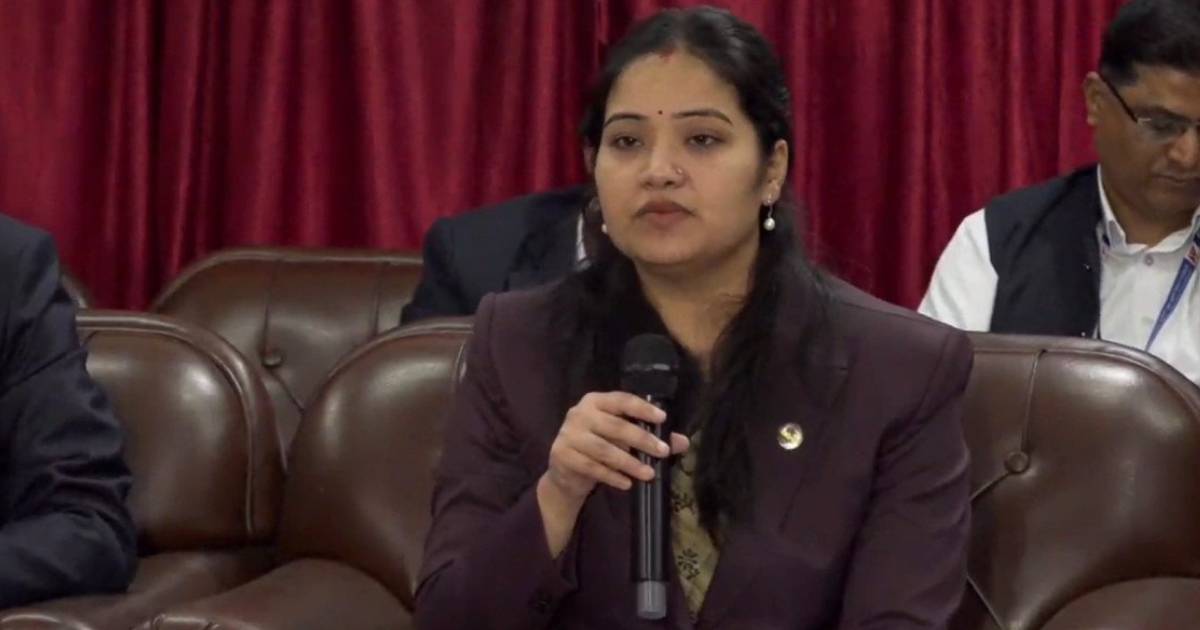
A senior government minister has announced that returning depositors’ savings in troubled cooperatives will be treated as a top national priority, with the process set to formally begin in early June. The commitment comes amid growing public concern over delayed repayments and financial distress in the cooperative sector.
Speaking at a press briefing organized by the committee managing crisis-hit cooperatives, Pratibha Rawal said the government is preparing decisive measures to ensure funds are recovered and returned.
The announcement signals a more aggressive approach, particularly targeting loan defaulters whose unpaid dues are seen as the main obstacle to resolving the crisis.
Government Sets Timeline for Returning Deposits
The government has indicated that the first phase of returning savings to depositors will begin in the first week of June. According to Minister Rawal, preparations are already underway to operationalize the process, which is expected to bring relief to thousands affected by cooperative failures.
She emphasized that this is not just a policy statement but a structured plan with clear timelines. Officials are working on finalizing technical procedures and frameworks to ensure the repayment process runs smoothly once launched.
The announcement marks one of the most concrete timelines provided so far, raising expectations among depositors who have been waiting for months, and in some cases years, to recover their funds.
Loan Recovery Identified as Key to Solution
The minister underlined that the core mechanism for returning savings lies in effective loan recovery. Many cooperatives facing financial trouble have large sums tied up in unpaid loans, making recovery efforts essential.
She made it clear that without collecting these outstanding loans, it would be difficult to generate the liquidity needed to repay depositors. As a result, the government is shifting its focus toward enforcing repayment from borrowers who have failed to meet their obligations.
This approach places significant pressure on defaulters, as authorities aim to unlock funds that can be redirected to depositors.
Defaulters’ Names to Be Made Public
In a move aimed at increasing accountability, the ministry plans to publish a list of borrowers who have not repaid their loans on time. The names will be made available through the ministry’s official website.
The decision is expected to act as both a warning and a public disclosure measure, encouraging defaulters to settle their dues. By bringing transparency to the issue, the government hopes to deter further non-compliance and accelerate the recovery process.
This step also reflects a broader strategy of combining administrative action with public pressure to resolve financial irregularities in the cooperative sector.
Strict Measures on Public Services Under Consideration
Authorities are also preparing stricter enforcement measures that could directly affect defaulters’ access to essential public services. The government is considering suspending certain state-provided services for individuals who fail to repay their loans.
- Electricity supply
- Water services
- Waste management facilities
According to the minister, these measures are being studied as part of a broader effort to ensure compliance. While still under preparation, the proposal signals a tougher stance against those who have delayed repayments.
She stated that the situation has reached a point where firm action is necessary, and leniency is no longer an option for persistent defaulters.
Coordination With Key National Institutions
The ministry is working closely with several major institutions to address the cooperative crisis in a comprehensive manner. Coordination efforts include collaboration with the central bank and the office of the chief legal authority.
These partnerships are intended to strengthen both financial and legal enforcement mechanisms. By aligning multiple agencies, the government aims to ensure that recovery efforts are both effective and legally sound.
Officials say this multi-agency approach is crucial for tackling complex cases, especially those involving large sums and multiple stakeholders.
Legal Action Against Absconding Borrowers
Another major focus is on tracking down and taking action against borrowers who have gone into hiding after taking large loans. The government has pledged to bring such individuals within the legal system.
Minister Rawal stated that legal proceedings will be used to recover funds from these borrowers. The goal is to ensure that no one can evade responsibility while depositors continue to suffer financial losses.
Authorities believe that taking firm legal action will send a strong message and help restore confidence in the cooperative system.
Technical Framework and Next Steps
Details regarding the repayment model and operational procedures are expected to be clarified by senior officials, including secretaries and joint secretaries at the ministry. These technical aspects will determine how funds are distributed and prioritized among depositors.
The government has reiterated its full commitment to resolving the issue, stressing that the process will be handled in a structured and transparent manner.
While challenges remain, the combination of loan recovery, legal enforcement, and administrative coordination represents the government’s most comprehensive effort yet to address the cooperative crisis and ensure that depositors receive their money back.


Written by Pushpa Tamang
Pushpa Tamang is Managing Editor at Khoj Samachar, leading English and Nepali bureaus, newsroom operations, and editorial standards.
Why Did an RSP MP Recall Kulman Ghising in Parliament?
Prime Minister’s Office Like Hitler’s Gas Chamber: Lawmaker
Speaker Aryal: Learn Parliament, Not Your Phone
Four Former PMs Share Stage at Madan Bhandari Event
Prachanda Urges Left Unity at Bhandari Anniversary

Ramji Yadav Faces Scrutiny After Party Election Loss
RSP Elects Rabi, Swarnim, Sobita and Bipin to Top Posts