Harka Sampang Questions Government Over Lipulekh Road Issue
Party leader raises concerns about border road development and calls for stronger action, diplomacy, and accountability from authorities


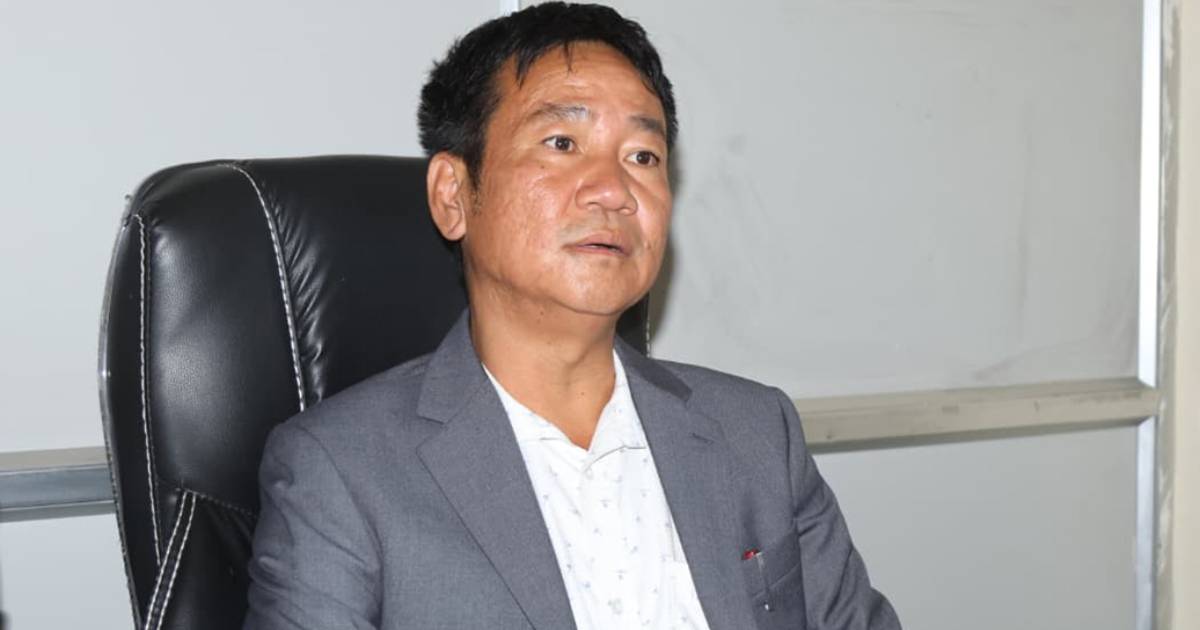
Nepal has seen a fresh wave of political criticism after Shram Sanskriti Party chairperson Harka Sampang questioned the government’s response to developments in the Lipulekh region.
His remarks have drawn attention to concerns over border management, sovereignty, and the state’s overall preparedness in handling sensitive national issues.
In a statement released on Tuesday, Sampang challenged the authorities over their apparent inaction as a road linking to Kailash–Mansarovar through Lipulekh progressed toward completion.
He argued that the lack of timely intervention reflects deeper governance problems and has sparked broader debate about national priorities and accountability.
Harka Sampang Raises Concerns Over Lipulekh Development
Harka Sampang directly questioned what the government was doing while infrastructure development continued through the Lipulekh area. He pointed out that the route has now reached a stage where it is close to becoming operational, raising concerns about missed opportunities to act earlier.
He also highlighted issues surrounding the Mahakali River boundary, suggesting that authorities failed to prevent developments that may impact the country’s territorial position. His remarks have added pressure on the government to clarify its stance and actions regarding the situation.
Criticism of Delayed Government Response
The Shram Sanskriti Party leader expressed dissatisfaction with what he described as a delayed and limited response from the government. He argued that sending a diplomatic note alone does not address the seriousness of the issue.
According to him, stronger and more proactive steps should have been taken when construction first began. He suggested that the current stage of the project makes it more difficult to respond effectively, increasing the urgency for immediate action.
Call for Structured Diplomatic Dialogue
Sampang emphasized the need for a formal and structured diplomatic process to address the matter. He called on the government to form a negotiation team and initiate dialogue at multiple levels.
He proposed involving key stakeholders, including neighboring countries and international bodies, in discussions aimed at resolving the issue. In his view, coordinated talks could help safeguard national interests and prevent further complications.
Demand to Strengthen Border Security
A major part of his statement focused on border security. Harka Sampang urged the government to deploy the national army in border areas, stressing that their primary role should be to protect territorial integrity.
He questioned the current use of security forces, suggesting that they are being assigned tasks that do not align with their core responsibilities. According to him, stronger presence at the border could help prevent similar situations in the future.
- Deploy security forces to sensitive border areas
- Focus on protecting territorial integrity
- Strengthen monitoring and response mechanisms
Objection to Use of Resources in Domestic Actions
Sampang also criticized how state resources are being used within the country. He objected to the involvement of security forces in operations targeting informal settlements, arguing that such actions are misplaced.
Instead, he suggested that machinery and manpower should be directed toward disaster management and infrastructure repair. He pointed to flood-affected areas and damaged roads as urgent priorities that require immediate attention.
- Redirect heavy equipment to disaster-hit regions
- Repair damaged roads and infrastructure
- Improve emergency response efforts
Economic Management Under Question
Beyond border concerns, the statement also raised questions about the country’s economic direction. Harka Sampang criticized reliance on foreign loans and warned about the risks associated with increasing debt.
He questioned whether leaders who struggle to manage the economy effectively can ensure stable governance. According to him, maintaining economic balance is critical for long-term development and public confidence.
Call for Transparency and Public Communication
Sampang stressed the importance of transparency in governance. He urged the government to clearly inform citizens about its actions and decisions, especially on sensitive national issues.
He also called on officials to engage with the media and respond to public questions. In his view, open communication is essential to maintaining trust and accountability in a democratic system.
Demand for Inclusive Budget Planning
The Shram Sanskriti Party leader emphasized that the national budget should address the needs of people across all regions. He argued that lawmakers must ensure that local concerns and service requirements are reflected in financial planning.
He questioned whether state resources are being distributed fairly and called for inclusive decision-making to ensure balanced development.
- Address regional development needs
- Improve access to basic services
- Ensure fair allocation of public funds
Warning of Continued Political Pressure
In a strong concluding message, Harka Sampang warned that he would continue to raise these issues if the government does not respond. He called for a press conference to address the concerns and provide clear answers to the public.
His statement has added to the growing political pressure on the government, with increasing focus on how authorities will respond to questions surrounding border issues, governance challenges, and economic management.


Written by Pushpa Tamang
Pushpa Tamang is Managing Editor at Khoj Samachar, leading English and Nepali bureaus, newsroom operations, and editorial standards.
Why Did an RSP MP Recall Kulman Ghising in Parliament?
Prime Minister’s Office Like Hitler’s Gas Chamber: Lawmaker
Speaker Aryal: Learn Parliament, Not Your Phone
Four Former PMs Share Stage at Madan Bhandari Event
Prachanda Urges Left Unity at Bhandari Anniversary
Ramji Yadav Faces Scrutiny After Party Election Loss
RSP Elects Rabi, Swarnim, Sobita and Bipin to Top Posts