
Nepal Government Plans Ministry Restructuring to 17 Units
Proposal to merge key sectors and redefine roles aims to streamline federal governance and reduce overlapping responsibilities


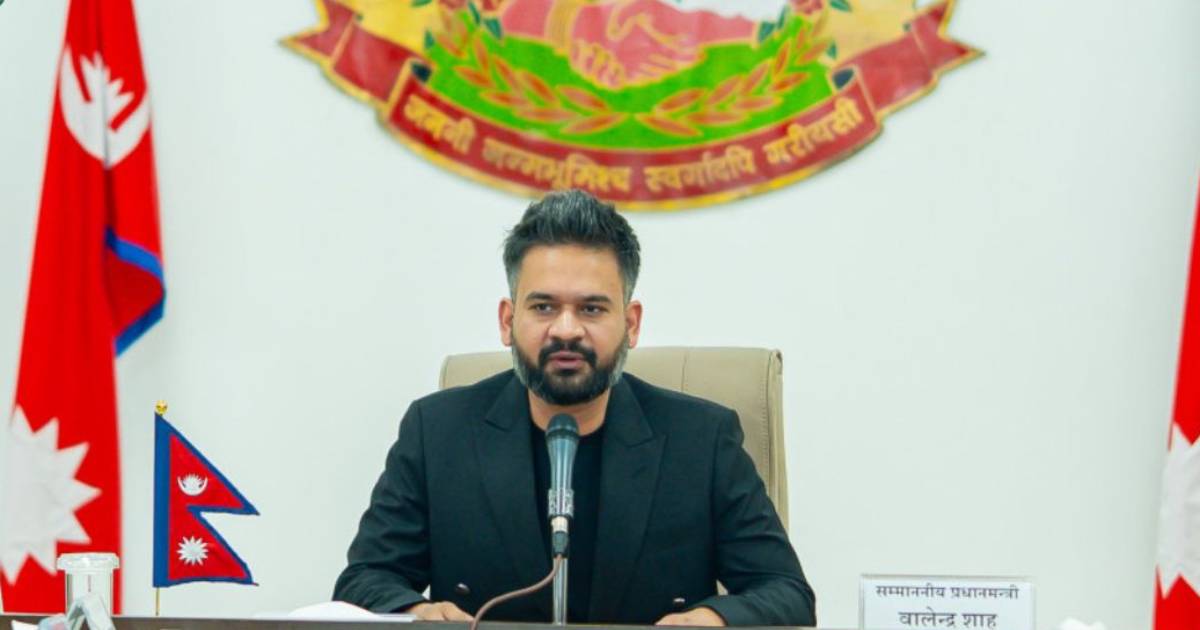
The government is moving closer to a major overhaul of Nepal’s federal administrative structure, with a proposal to reduce and reorganize ministries now in its final stages.
The draft plan suggests cutting the number of ministries at the federal level to 17, merging overlapping portfolios, and redefining responsibilities to improve efficiency.
The restructuring discussion has gained momentum as political leaders push for a leaner system. Key figures, including the chair of a major political party, have indicated that extensive consultations have already taken place, and the government is nearing a final decision.
The proposal reflects long-standing recommendations from past reform committees that called for reducing duplication and streamlining governance.
Plan to Reduce Federal Ministries Gains Ground
The proposed restructuring would bring down the number of ministries from the current 21 to 17. This move aligns with earlier recommendations from administrative reform bodies that suggested limiting ministries to between 15 and 18.
The initiative is part of a broader effort to make government operations more efficient by eliminating overlapping functions and consolidating related sectors. Officials involved in the process say discussions have reached an advanced stage, and a decision could be announced soon.
Major Mergers Proposed Across Key Sectors
One of the central features of the plan is the merging of ministries with similar responsibilities. Infrastructure-related ministries are at the top of this list.
The proposal suggests combining the ministries responsible for physical infrastructure and transport, urban development, and water supply into a single entity. This new body would be named the Infrastructure Development Ministry, reflecting its expanded mandate.
Similarly, the agriculture sector will see a restructuring. The existing agriculture and livestock development ministry will be merged with land management and cooperative functions.
The new ministry will operate under the name Agriculture and Land Management Ministry, bringing related responsibilities under one umbrella.
Changes in Scope and Naming of Ministries
Several ministries are expected to undergo changes not only in structure but also in their scope and identity.
The forest and environment ministry will be expanded and renamed as the Forest, Environment and Climate Ministry. While climate-related work has already been part of its responsibilities, the new name aims to formally recognize and define this role.
In the economic sector, the Industry, Commerce and Supplies Ministry will be restructured. The supplies function will be replaced with a focus on innovation, leading to the new name Industry, Commerce and Innovation Ministry.
Education will also see adjustments. The current education and science and technology ministry will incorporate sports, while the science and technology component will be removed from its mandate.
New Ministries and Redistribution of Responsibilities
The restructuring plan also introduces new institutional arrangements.
A new ministry focusing on youth, labor, and employment is proposed. This will involve separating the youth portfolio from the existing youth and sports ministry and combining it with labor and employment responsibilities.
In addition, social security functions will be separated from the current labor ministry. These responsibilities, along with gender-related issues, will be integrated into a newly proposed Ministry of Gender Affairs and Inclusion.
This new ministry will also absorb parts of the existing women, children, and senior citizens ministry, particularly those related to women’s issues.
Prime Minister’s Office to Gain Expanded Role
Under the proposed changes, the federal affairs and general administration ministry will no longer exist as a separate entity. Instead, its functions will be transferred directly to the Prime Minister’s Office.
This shift will also include departments related to human resource management and administrative operations. Officials say this move is intended to centralize key administrative functions and improve coordination across government bodies.
Continuity in Core Ministries
Despite the wide-ranging changes, several key ministries will remain unchanged in both structure and function.
These include the ministries of finance, home affairs, defense, foreign affairs, and culture, tourism and civil aviation. Their continuity reflects their central role in governance and national administration.
Background of Reform Efforts
The current proposal builds on earlier recommendations made by a high-level administrative reform committee formed in 2019. That committee submitted a comprehensive report outlining ways to streamline government operations.
Among its key suggestions was reducing the number of federal ministries to 15 and merging several overlapping departments. The current plan appears to adopt many of those ideas, though with some adjustments to fit present needs.
- Earlier recommendation: limit ministries to 15
- Current proposal: reduce to 17 ministries
- Focus on merging similar sectors
- Centralizing administrative functions under the Prime Minister’s Office
Current Cabinet Structure and Interim Arrangements
At present, the federal government operates with 21 ministries, while the current cabinet consists of 15 members. In practice, several ministers are already handling multiple portfolios.
For example, the prime minister is overseeing both defense and home affairs. Other ministers are also managing more than one ministry, reflecting a temporary arrangement that the restructuring plan aims to formalize.
The ongoing consolidation of responsibilities among ministers highlights the need for a more streamlined structure, which the proposed reforms seek to address.
As the government moves closer to finalizing the ministry restructuring plan, the changes are expected to reshape how federal administration functions in Nepal. The outcome will likely influence policy coordination, service delivery, and overall governance efficiency in the coming years.


Written by Roshani Shrestha Pathak
Roshani Shrestha Pathak is the English Bureau Chief at Khoj Samachar, overseeing English-language editorial operations and newsroom coordination.

Sunil Lamsal Opens Nagdhunga Tunnel, Operations Begin Today
Nepal Moves to Standardise Burn Treatment Nationwide
Nepal to Impose VAT on Electricity Bills from Tomorrow
Nepal’s Free Treatment Portal Serves Over 2,200 in 90 Days

Minister Nisha Mehta Pushes Burn Care Across Seven Provinces
Nepal Supreme Court Opens Government Ads to Private Media

Full LPG Cylinders to Be Sold After Minister Yadav’s Order