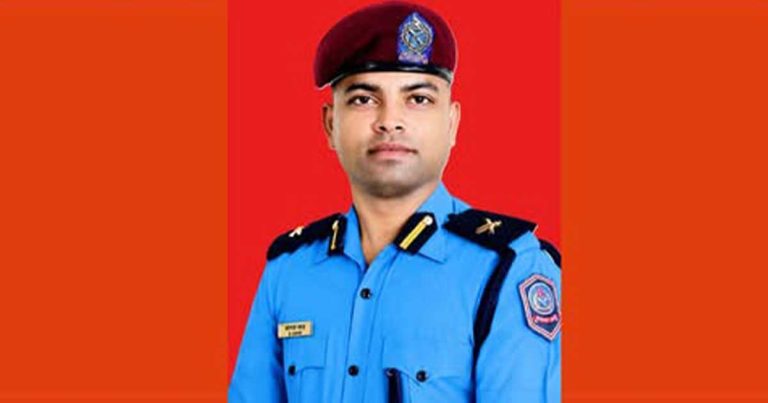
UML Debates Youth Leadership After Securing 25 Seats in Nepal Parliament
After securing only 25 seats, Nepal’s UML is debating whether to appoint a younger leader for its parliamentary party, reflecting broader calls for generational change.


Kathmandu — Following its reduced performance in Nepal’s House of Representatives elections, where the Communist Party of Nepal (UML) secured 25 seats, an internal debate has intensified over leadership direction and generational transition.
The selection of the parliamentary party leader has become a key issue, with increasing calls to elevate younger leaders. Among those directly elected, three younger lawmakers—Kshitij Thebe from Taplejung, Ain Mahar from Bajhang, and Suhang Nembang from Ilam-2—have emerged as potential candidates.
Some leaders argue that one of them should be chosen to lead the parliamentary party. Padma Aryal, elected through the proportional representation system, is also being discussed as a possible option.
Election Setback and Senior Leadership Dynamics
The election results dealt a setback to the party’s senior leadership. Party Chairman KP Sharma Oli, along with 11 office bearers, contested direct elections but none were elected. The outcome has prompted internal discussions on leadership restructuring and political strategy.
Senior figures, including Vice Chairman Ram Bahadur Thapa ‘Badal’, Secretary Padma Aryal, and former Vice Chair Guru Baral, have entered parliament through the proportional representation system. A section of the party continues to support experienced leaders for the role.
Growing Calls for Generational Shift
At the same time, changing political dynamics have strengthened calls for generational shift. With Rastriya Swatantra Party leader Balen Shah preparing to become Prime Minister, some UML leaders say the party should also reflect a similar transition by promoting younger figures.
Some party members view the election outcome as a signal from voters to embrace new leadership. Suhang Nembang, who has gained visibility in recent political developments, is considered by some as a suitable candidate for this shift.
The process to formally select the parliamentary party leader has not yet begun. Party Chairman Oli is currently in mourning following the death of his father, and leaders say discussions will proceed only after he resumes regular political activities.
Newly elected lawmakers are expected to take the oath of office soon. A parliamentary party meeting will follow, during which the leader will be selected. The decision is expected to reflect how UML balances demands for youth leadership with the influence of senior figures.


Written by Roshani Shrestha Pathak
Roshani Shrestha Pathak is the English Bureau Chief at Khoj Samachar, overseeing English-language editorial operations and newsroom coordination.
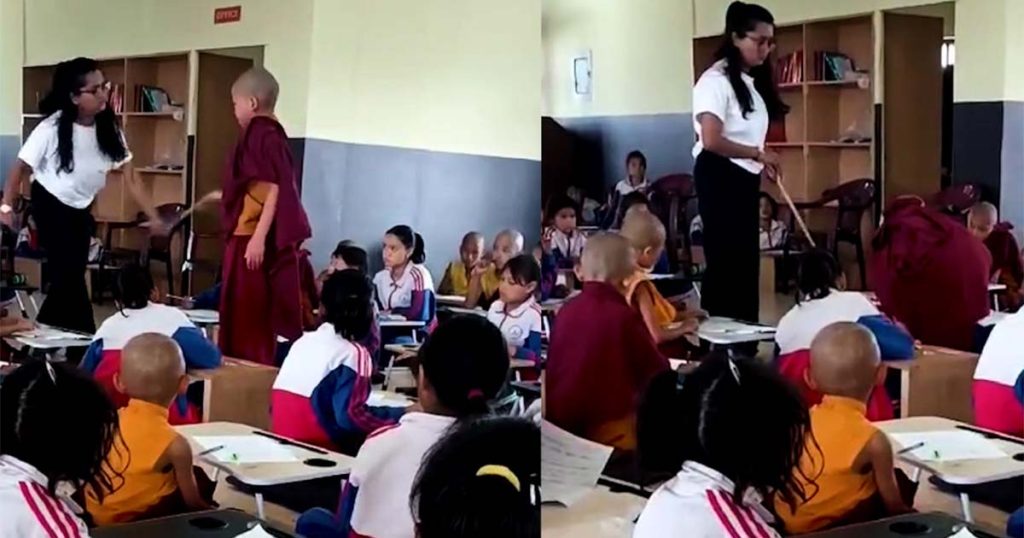
Khawalung School Video: What Happened Between Teacher and Student?
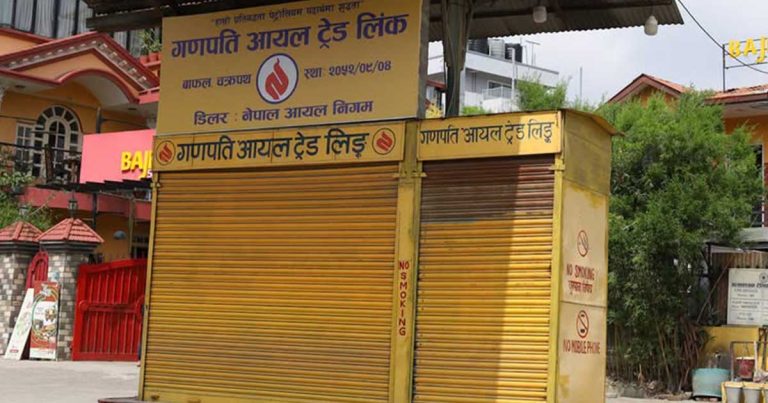
Nepal to Fine Fuel Pumps Up to NPR 1 Million for Shutting Down
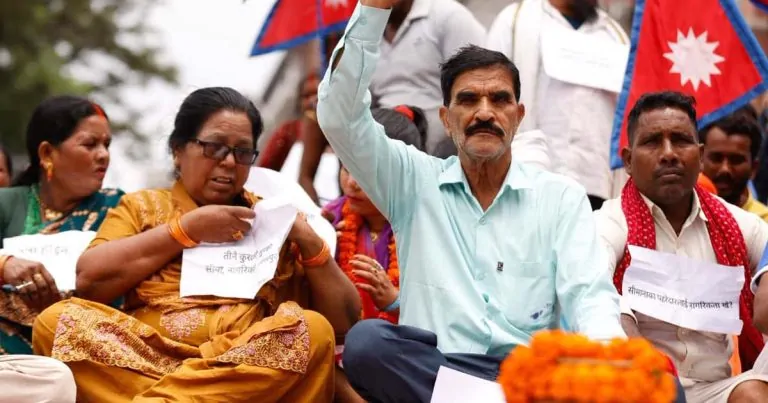
Why Susta Residents Have Come to Kathmandu?
Nepal Government to Print National ID Cards Itself
Everything You Need to Know About the 2026/27 National Budget
Singha Durbar Toilets Remain in Poor Condition
Manoj Kumar Sharma Set to Become Nepal’s Chief Justice