Shankar Pokhrel Warns Land Policy May Deepen Poverty
UML leader raises concerns that removing residents without land certificates could push millions into economic hardship across Nepal


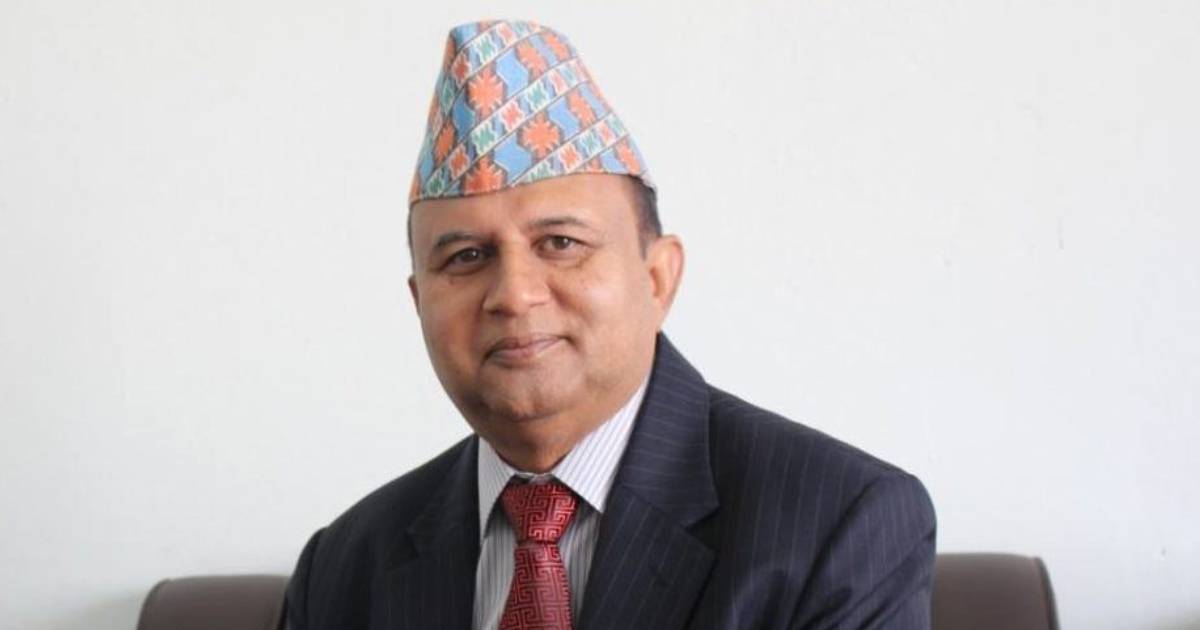
Kathmandu is witnessing an intensifying debate over land ownership and urban policy after senior political leader Shankar Pokhrel warned that strict enforcement against residents without land ownership certificates could push millions into deeper poverty.
His statement comes as authorities move forward with actions targeting settlements considered unauthorized, raising concerns about the wider consequences for vulnerable communities.
The issue has highlighted the scale of land-related challenges across the country, especially in cities where migration and informal housing have grown rapidly.
Pokhrel’s remarks have brought attention to the need for careful policy decisions that balance legal requirements with the realities faced by a large section of the population.
Shankar Pokhrel Raises Alarm Over Policy Impact
Shankar Pokhrel expressed concern that implementing a blanket policy to remove all individuals without official land ownership documents could have serious economic and social consequences. He warned that such a move could directly or indirectly push around five million people into a cycle of poverty.
He questioned whether the current approach has fully considered these risks, suggesting that the issue extends beyond legal enforcement and requires a broader understanding of its human impact. His statement reflects growing unease about how land policies are being applied in practice.
Massive Number of Land Applications Highlight the Problem
The scale of the challenge is evident from data related to applications submitted to the national land commission. A significant number of people across the country have sought recognition or legal status for the land they occupy.
- 98,502 landless squatters have submitted applications
- 180,293 individuals categorized as squatters are seeking formal recognition
- 930,790 people identified as unmanaged settlers have applied
- Total number of applications stands at 1,209,585
These figures indicate that a large portion of the population lives without formal land ownership documentation. Additionally, it is believed that several thousand more genuinely landless individuals may not yet be included in official records.
Kathmandu Faces Growing Pressure
The situation is particularly acute in Kathmandu, where rapid urban expansion has led to a rise in informal settlements. Estimates suggest that around 100,000 people in the capital fall under the categories of squatters or unmanaged settlers.
This reflects a broader pattern of migration from rural and mountainous regions to urban areas in search of opportunities. As more people move to the city, the demand for housing increases, often resulting in settlements that lack proper legal status.
Pokhrel’s warning underscores the risks of taking action without considering the scale and complexity of the issue in urban centers.
Economic Losses and Social Consequences
Concerns have also been raised about the potential financial impact of removing structures built by unmanaged settlers. More than 900,000 such structures could be affected nationwide, leading to significant economic losses.
The destruction of these buildings is expected to result in damages worth billions of rupees. For many families, these structures represent years of savings and investment, making the potential loss even more severe.
Beyond financial concerns, the issue also affects livelihoods. Many of these settlements are linked to informal economic activities that support daily income, meaning that displacement could disrupt both housing and employment.
Existing Laws and Implementation Challenges
The national parliament has already introduced legal measures aimed at addressing land-related issues. These laws were intended to provide solutions for landless individuals and those living in unmanaged settlements.
However, Pokhrel pointed out that the problem lies in implementation. Despite the existence of legal frameworks, gaps remain in how they are applied, leading to confusion and uncertainty among affected communities.
This disconnect between policy and practice has contributed to the growing complexity of the issue.
Coordination Issues Add to Complexity
Efforts to resolve land-related challenges have also been hindered by a lack of complete and accurate data. Although there has been an agreement for cooperation between Kathmandu Metropolitan City and the land commission, comprehensive information is still not fully available.
This lack of clarity makes it difficult to design effective policies or take informed action. Without a full understanding of the number of affected individuals and their circumstances, decisions may fail to address the real scope of the problem.
Improved coordination between authorities is seen as essential for managing the situation more effectively.
Call for Careful and Informed Decisions
Shankar Pokhrel emphasized the need for thoughtful and evidence-based policymaking. He stated that decisions related to land and settlement removal should be guided by existing laws, accurate data, and a clear understanding of people’s living conditions.
The issue, he noted, is not simply about removing structures but involves deeper social and economic factors. It is closely tied to migration patterns, employment opportunities, and the overall stability of affected communities.
As Kathmandu continues to grapple with land management challenges, the debate highlights the importance of balancing enforcement with compassion and long-term planning.


Written by Pushpa Tamang
Pushpa Tamang is the Managing Editor at Khoj Samachar, overseeing both English and Nepali bureaus and leading daily editorial operations, newsroom coordination, and journalistic standards across platforms.

Ramji Yadav Faces Scrutiny After Party Election Loss
RSP Elects Rabi, Swarnim, Sobita and Bipin to Top Posts
RSP Central Committee Elected Members List 2026

Why Was Sudan Gurung Criticized Despite Doing the Right Thing?
Mahesh Basnet Defends Bishnu Paudel After Arrest
Why Was UML Leader Bishnu Paudel Arrested?

Mukul Dhakal: Not Even Invited to RSP Convention