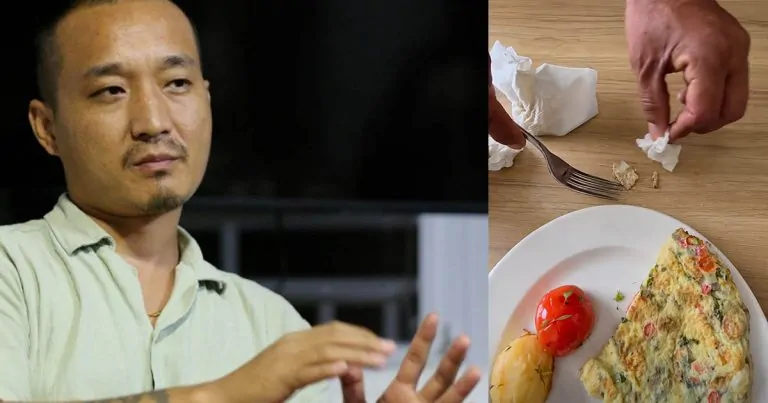
Rabi Lamichhane Prioritizes Martyrs’ Justice
Rabi Lamichhane calls for victim-first justice, stressing urgency for families who lost loved ones


Rabi Lamichhane has stressed that justice for martyrs’ families must come first, saying the pain of those who lost loved ones should guide Nepal’s broader justice process. Speaking on issues surrounding transitional and general justice, the Rastriya Swatantra Party (RSP) chairperson said the urgency for justice is greatest among families who have lost their children.
He highlighted that mothers who lost young sons and daughters carry a deep emotional burden, making their demand for justice more immediate than any political debate. Responding to questions about allegations that former Prime Minister KP Sharma Oli’s arrest was politically motivated, Lamichhane avoided direct political confrontation.
Instead, he reframed the discussion toward victims, stating that the real urgency lies with children and families who have suffered irreversible loss. According to him, justice should not be viewed through a political lens but through the experiences of those directly affected.
Lamichhane emphasized that the first right to justice belongs to martyrs and injured victims’ families. He urged the state to treat their concerns as a top priority, arguing that acknowledging their pain is essential to maintaining fairness and moral responsibility in governance. “The tears of a mother who lost her child must be wiped first,” he said, underlining the human side of justice.
Beyond the justice debate, Lamichhane also addressed accountability within his own party. He stated that the RSP operates under constant public scrutiny, describing it as being in a state of “public audit.” He noted that every action, statement, and political decision made by the party is closely observed by citizens, reinforcing the need for transparency and responsibility.
He further committed that all party decisions would remain open and aligned with public expectations. According to him, maintaining trust requires not only political promises but consistent transparency in practice, especially at a time when public confidence in institutions is under pressure.
The discussion around Rabi Lamichhane and justice priorities comes at a critical moment, as Nepal continues to navigate sensitive issues related to accountability and political fairness. Moving forward, the emphasis on Rabi Lamichhane’s call for victim-centered justice could shape how the government balances legal processes with public expectations.


Written by Pushpa Tamang
Pushpa Tamang is Managing Editor at Khoj Samachar, leading English and Nepali bureaus, newsroom operations, and editorial standards.
Prime Minister’s Office Like Hitler’s Gas Chamber: Lawmaker
Speaker Aryal: Learn Parliament, Not Your Phone
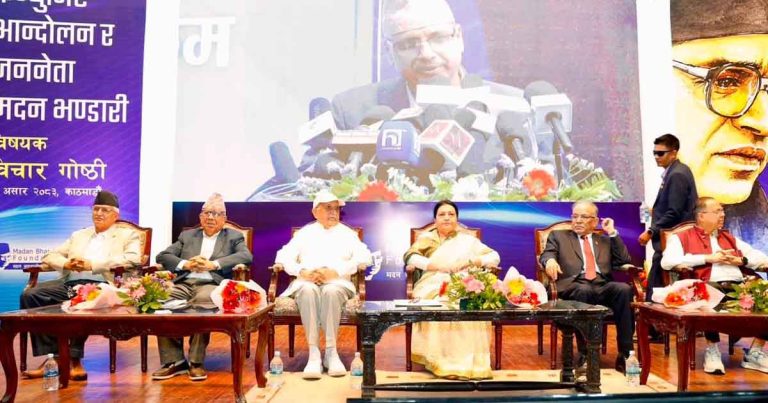
Four Former PMs Share Stage at Madan Bhandari Event
Prachanda Urges Left Unity at Bhandari Anniversary
Ramji Yadav Faces Scrutiny After Party Election Loss
RSP Elects Rabi, Swarnim, Sobita and Bipin to Top Posts
RSP Central Committee Elected Members List 2026