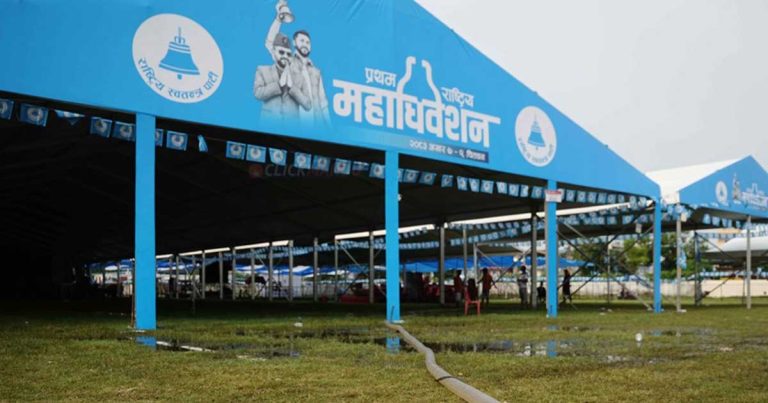
Nepali Congress Defends Political Appointments Policy
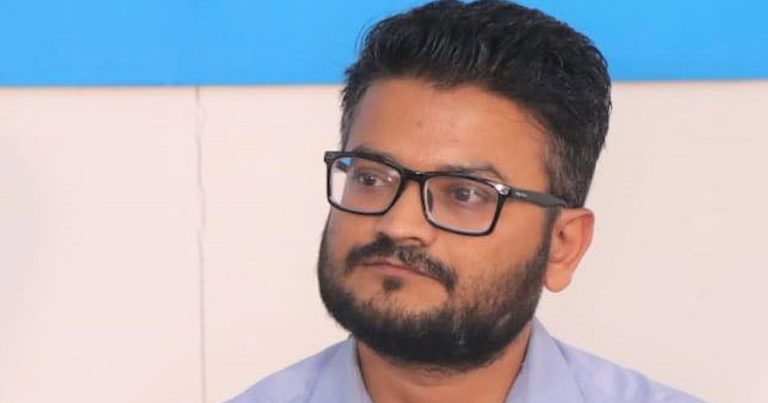
Party spokesperson Devaraj Chalise says government appointments will remain politically influenced amid debate over recent ordinance


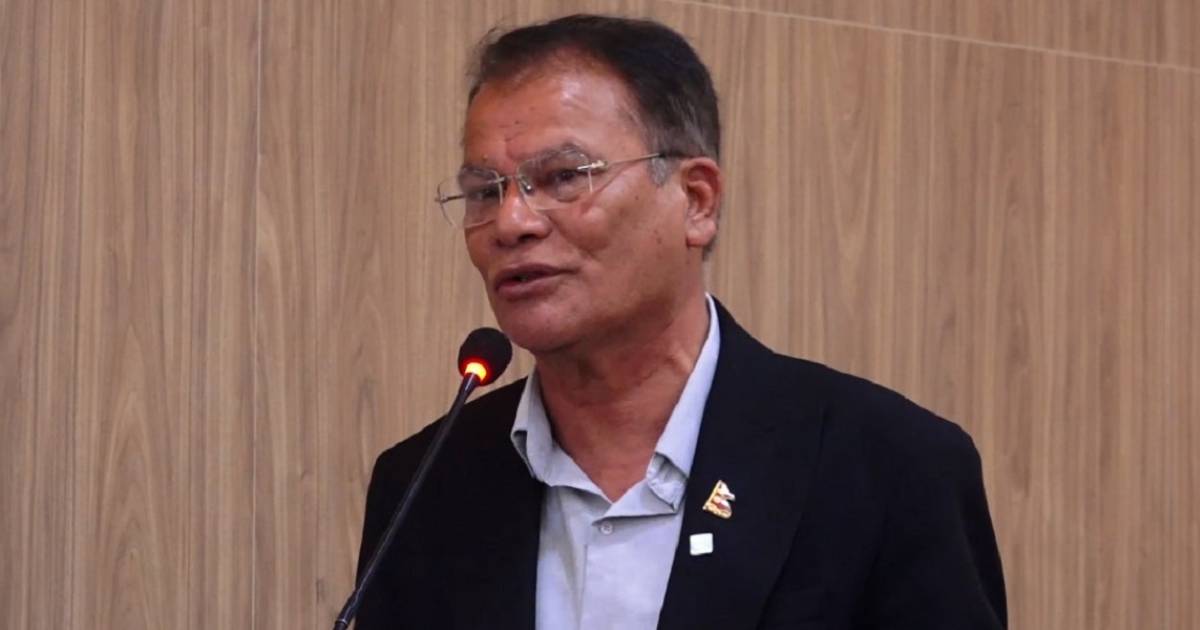
A senior spokesperson of the Nepali Congress has openly acknowledged that political considerations will continue to shape government appointments, arguing that such influence is an inherent part of governance rather than an exception.
The remarks come at a time of heightened debate over recent administrative decisions and the dismissal of hundreds of officials under a new ordinance.
The statement has added a new dimension to the ongoing political discussion in Nepal, where questions are being raised about fairness, continuity, and the long-term impact of policy changes introduced by successive governments.
With competing narratives emerging, the issue has quickly become a focal point of public and political discourse.
Congress Spokesperson Defends Political Appointments
Devaraj Chalise, speaking on behalf of the Nepali Congress, said that all appointments made by party-led governments have historically carried political influence, and future decisions will follow the same pattern. According to him, it is natural for a government to prefer individuals who align with its policy direction.
He emphasized that expecting a government to function without considering political compatibility is unrealistic. In his view, executive bodies must ensure that those appointed to key roles are capable of implementing the government’s agenda effectively.
Debate Intensifies After New Ordinance
The issue has gained urgency following a recent ordinance issued on the recommendation of the government led by The ordinance, related to the removal of public office holders, resulted in the dismissal of 1,594 officials.
This move has triggered widespread discussion about the nature of appointments and removals in public institutions. Critics and supporters alike are debating whether the changes represent reform or simply a shift in political influence.
Call to Avoid Selective Criticism
Chalise urged political actors and the public not to discredit previous appointments by labeling them as purely partisan while portraying new decisions as reforms. He warned against what he described as short-term political narratives that undermine institutional stability.
He suggested that if the current approach becomes normalized, future governments will likely follow the same path. In that case, he argued, it would be difficult for any political group to maintain a moral position against such practices.
Concerns Over Long-Term Governance Trends
According to Chalise, the current policy direction resembles a system where political victory leads to control over appointments. He indicated that if this approach is formalized into law, it could grant similar powers to every incoming government.
This raises concerns about continuity and consistency in public administration. Frequent changes in leadership and personnel could affect long-term planning and institutional effectiveness.
Internal Party Dynamics Also Highlighted
Chalise also pointed out that the Rastriya Swatantra Party itself includes members who previously belonged to other major political groups. He questioned how the party would address the future of individuals with political affiliations if past appointments are collectively rejected on partisan grounds.
- Members in the party come from diverse political backgrounds
- Past affiliations may influence perceptions of appointments
- Future decisions could face similar scrutiny
He suggested that the issue is not limited to one party but reflects a broader challenge across the political spectrum.
Broader Reflection on Political Identity and Merit
The spokesperson further argued that it is unrealistic to expect individuals in society to be completely neutral in their beliefs. According to him, people naturally hold opinions and affiliations, which should not automatically disqualify them from being considered competent.
He warned against a culture where individuals are judged solely based on perceived political leanings rather than their qualifications. Such an approach, he said, could create unnecessary division and weaken trust in public institutions.
Ongoing Political Discourse Likely to Continue
The discussion around political appointments, governance practices, and administrative reforms is expected to continue in the coming days. With multiple parties involved and differing viewpoints emerging, the issue remains complex and deeply rooted in Nepal’s political landscape.
As the debate unfolds, the focus will likely remain on balancing political realities with the need for transparent and effective governance.


Written by Roshan Shrestha
Roshan Shrestha is a journalist, author, and digital entrepreneur. He is the founder and editor-in-chief of Khoj Samachar and works in investigative and public-interest journalism, focusing on anti-corruption reporting, transparency, and youth-driven civic engagement through fact-based digital media. He was born in Bahrabise, Nepal.
Ramji Yadav Faces Scrutiny After Party Election Loss
RSP Elects Rabi, Swarnim, Sobita and Bipin to Top Posts
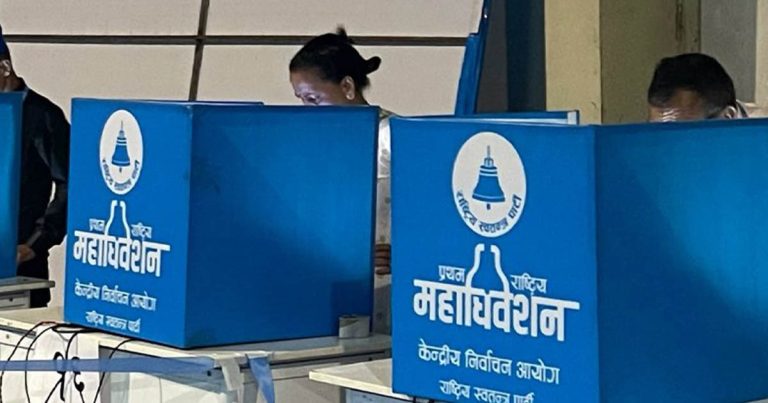
RSP Central Committee Elected Members List 2026
Why Was Sudan Gurung Criticized Despite Doing the Right Thing?
Mahesh Basnet Defends Bishnu Paudel After Arrest
Why Was UML Leader Bishnu Paudel Arrested?
Mukul Dhakal: Not Even Invited to RSP Convention