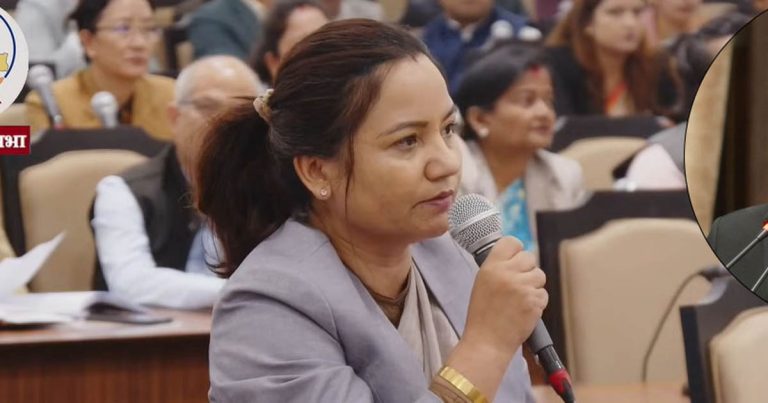
Nepali Congress Unlikely to Nominate Sher Bahadur Deuba for Direct Parliamentary Seat
The Nepali Congress is facing internal negotiations over candidate selection, with signs indicating that former party president Sher Bahadur Deuba may not be nominated for a direct parliamentary seat.


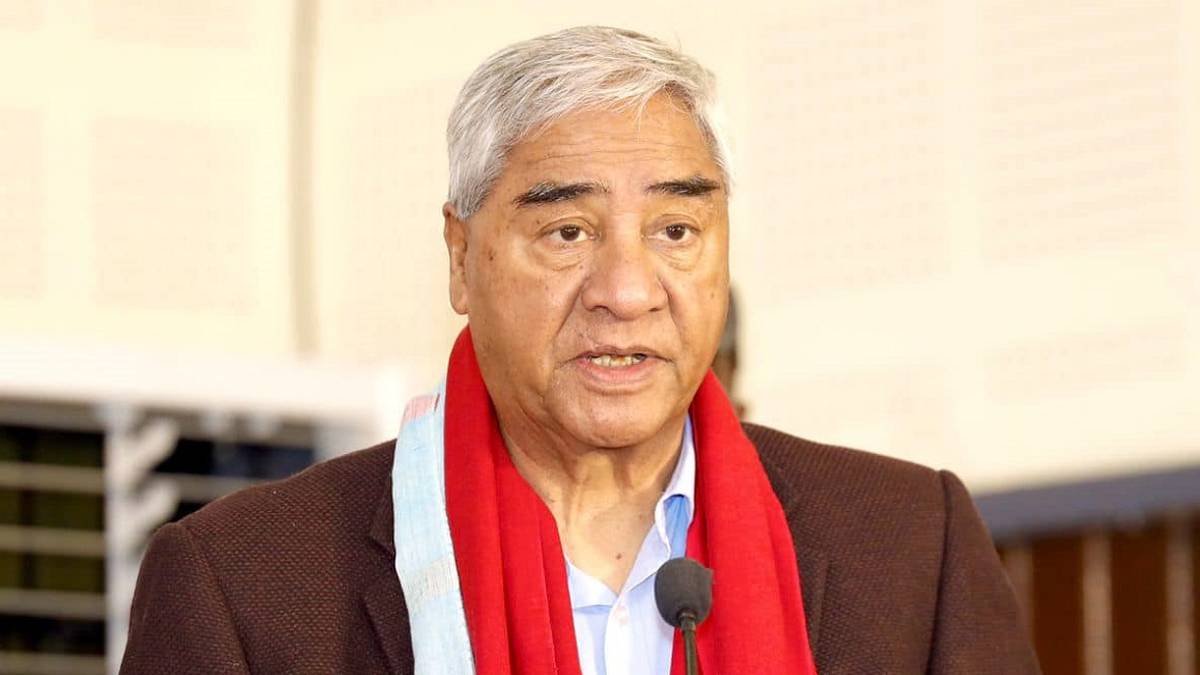
The Nepali Congress is facing growing internal complexity over the selection of candidates for the House of Representatives election, with recent political signals indicating that the party is unlikely to nominate former party president Sher Bahadur Deuba for a direct parliamentary seat.
As the candidate registration schedule for the House of Representatives election set for February 21 approaches, pressure has intensified within the party to finalize decisions. Nomination filing is scheduled for January 20.
Amid this backdrop, dialogue has begun between the newly elected central working committee from the special general convention and leaders aligned with the Deuba faction, according to party sources.
Leaders from the Deuba camp have put forward demands that include ticket allocations for several of their leaders, including Deuba himself. However, the establishment faction appears firm in its position that tickets should be awarded only to candidates viewed as capable of securing electoral victories. As a result, consensus has not been reached on nominating Deuba.
A senior Nepali Congress office-bearer said discussions between the two sides have been underway since Sunday, involving leaders who were part of the negotiation committee during the special general convention. However, the establishment side has cited time constraints as a major challenge to holding extensive negotiations.
Establishment Stance and Candidate Selection Criteria
According to the official, the Deuba faction has demanded a specific number of seats, including one for the former party president. “There has been dialogue with leaders from the former party president’s camp, and demands have been raised for a certain number of seats, including one for Deuba,” the official said.
“Leaders from that camp who are capable of winning elections will receive tickets. But we are not prepared to allocate tickets based on factional bargaining or group meetings.”
The official added that the establishment believes Deuba should now transition into a guardian or advisory role rather than contest elections. “If we nominate him, the message conveyed nationwide would not be appropriate,” the official said. “The party is currently undergoing transformation and generational change.”
Leaders from the establishment faction have also stated that factional negotiations will no longer dictate party decisions. They stressed that ticket distribution will be based on recommendations from grassroots party units, not on demands raised through internal power blocs.
“Candidates will be selected based on recommendations from lower-level party organizations,” the official said. “Tickets will not be distributed based on how many seats one faction demands. From the next election cycle, we plan to introduce a primary election system to select candidates.”
Meanwhile, Nepali Congress President Gagan Thapa has said that the party is in the final stage of candidate selection. In a video message released on Monday morning, Thapa said ticket distribution would be carried out in an inclusive, balanced, and fair manner.
He also urged party leaders and cadres to return to their respective constituencies and campaign collectively in support of the party’s official candidates.
Legal Challenge and Calls for Unity
Following the Election Commission’s recognition of the special general convention–elected central committee, leaders aligned with the Deuba faction have filed a petition at the Supreme Court seeking the annulment of that decision.
Despite the dispute being under judicial consideration, dialogue between the two sides has continued. Party leaders say that with the Supreme Court decision likely to take time and the nomination deadline approaching, efforts are being made to move forward through mutual understanding.
Former publicity department chief Min Bahadur Bishwakarma, writing on social media, has appealed for unity, suggesting a compromise in which half of the tickets would be signed by Deuba for proportional representation and the other half by Thapa for direct elections.
Similarly, former acting party president Purna Bahadur Khadka stated on social media that there is no alternative to contesting the election under the Nepali Congress’s election symbol, the tree, and emphasized that there is no plan to form a new party or run as independent candidates.
As internal negotiations continue, the final decision on candidate selection is expected to play a crucial role in shaping both the Nepali Congress’s electoral strategy and the broader political message it sends ahead of the upcoming parliamentary election.


Written by Roshani Shrestha Pathak
Roshani Shrestha Pathak is the English Bureau Chief at Khoj Samachar, overseeing English-language editorial operations and newsroom coordination.
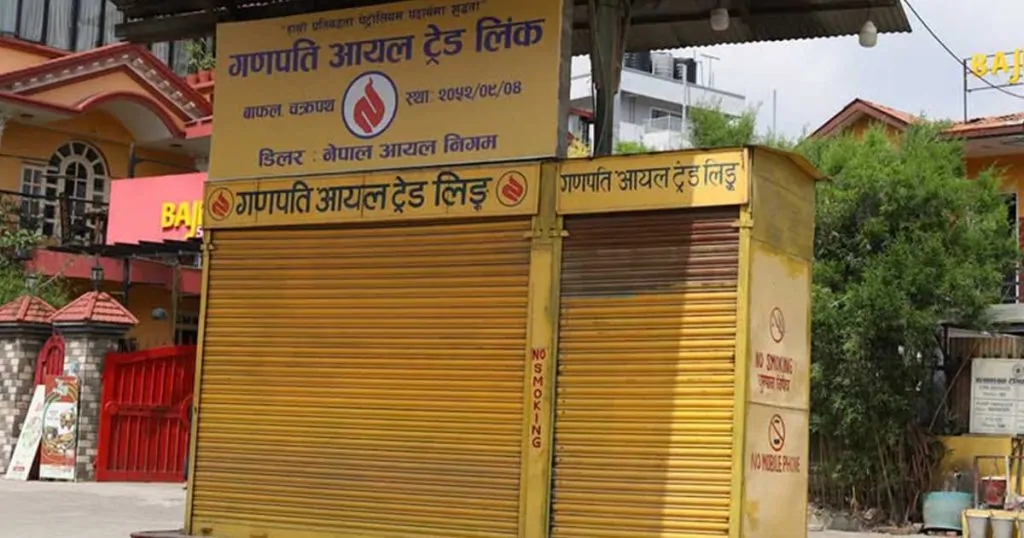
Nepal to Fine Fuel Pumps Up to NPR 1 Million for Shutting Down
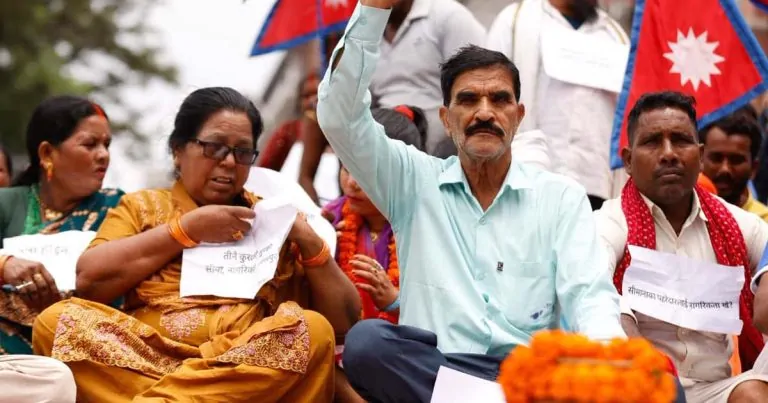
Why Susta Residents Have Come to Kathmandu?
Nepal Government to Print National ID Cards Itself
Who Attended RSP’s First National Convention in Chitwan?
Nishkal Rai Demands PM Apology Over Border Remarks
Rabi Calls All-Party Meeting, Top Leaders Skip
Nepali Congress Disciplinary Panel Meets Thursday