What Allowances Do Nepal Oil Corporation Employees Get?
Fresh financial disclosures reveal hundreds of millions spent on overtime, medical, travel and other employee benefits, renewing scrutiny over the corporation’s cost management.


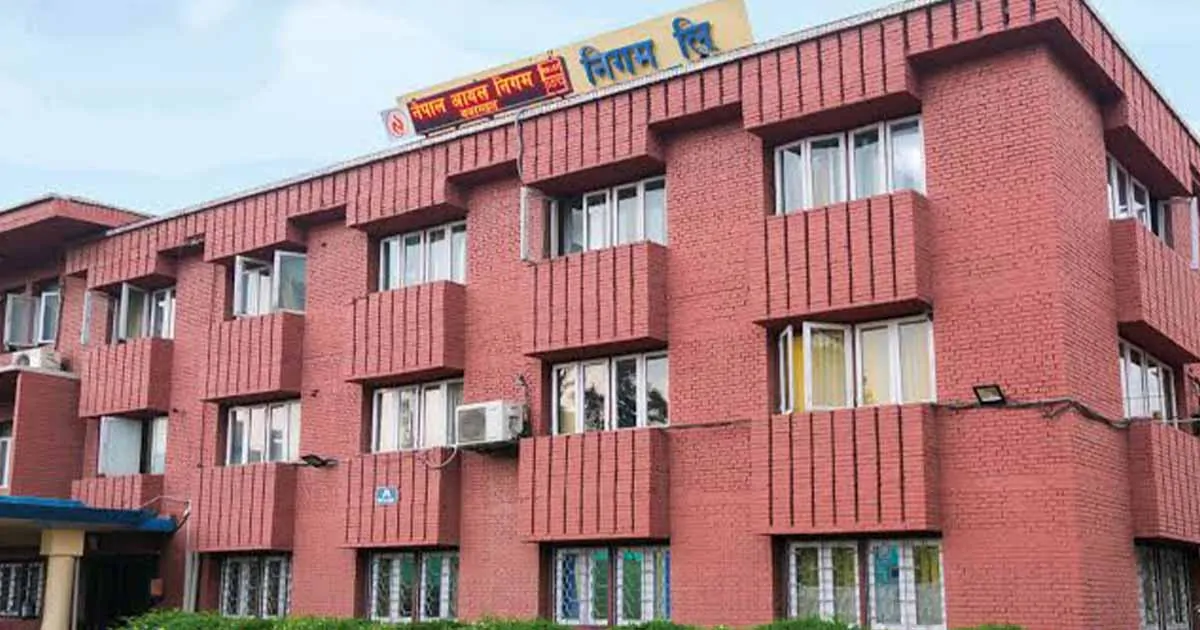
Fuel prices in Nepal remain among the highest in South Asia, yet the financial health of Nepal Oil Corporation continues to be a subject of public scrutiny. Fresh disclosures on employee allowances have intensified concerns over whether the state-owned enterprise has done enough to rein in internal spending while repeatedly citing financial losses to justify fuel pricing and other economic pressures.
The latest financial details show that Nepal Oil Corporation spent more than Rs 407.2 million on employee allowances alone during the current fiscal year, excluding regular salaries. The figures have renewed debate over the corporation’s spending priorities and whether expenditure management deserves as much attention as revenue generation in efforts to improve its finances.
Wide Range of Employee Benefits
Among the allowances drawing attention is an annual house painting benefit. Employees receive between Rs 4,200 and Rs 6,000 each year for painting their homes, with the corporation spending nearly Rs 7 million under this heading.
Committee meetings formed for recruitment, procurement procedures, and other administrative work accounted for more than Rs 12.5 million in additional expenditure.
Employees also receive clothing allowances twice a year, costing the corporation Rs 21.45 million during the current fiscal year.
Millions Spent on Inflation, Transport and Medical Allowances
The corporation distributed Rs 38.7 million as inflation allowances, citing rising living costs. Transport allowances amounted to Rs 33.6 million.
Medical allowances reached Rs 48 million, with the benefit provided irrespective of whether an employee required medical treatment during the year.
These recurring benefits represent a substantial share of personnel-related expenditure beyond regular payroll obligations.
Travel, Incentives and Special Duty Payments
Domestic depot inspections and foreign visits also generated significant expenses. Nepal Oil Corporation spent Rs 45.79 million on daily travel allowances.
Employees travelling on official duty already receive their salaries along with government-funded travel expenses and fuel facilities, yet they remain eligible for separate daily allowances.
Performance incentive payments totalled Rs 30.5 million. Employees working at aviation depots, which operate around the clock, received nearly Rs 30 million through separate duty-related allowances.
Overtime Accounts for the Largest Share
The single largest allowance category was overtime, which cost the corporation Rs 130 million.
Additional expenditures included:
- Rs 5.2 million for board meeting allowances.
- Rs 3.84 million for monitoring allowances.
- Rs 660,000 in field allowances.
- Rs 55,000 for remote area allowances.
Financial Accountability Back in Focus
The disclosed figures relate only to allowances and benefits provided beyond employees’ regular salaries.
The disclosures have reinforced public concern over whether persistent financial losses can be explained solely through fuel price adjustments and external economic pressures when employee benefits continue to require significant annual spending.
The figures also point to a broader challenge facing Nepal’s public enterprises. Financial recovery depends not only on increasing income but also on reviewing institutional spending, evaluating long-standing employee benefit structures, and ensuring that public resources are managed with greater transparency. For Nepal Oil Corporation, those questions are likely to remain central as scrutiny over its financial management continues.

Written by Roshan Shrestha
Roshan Shrestha is a Nepali investigative journalist and founder of Khoj Samachar, covering corruption, transparency, and public-interest issues.

‘We’re Not Balen’s Police’: Kailali DSP Called In Over Viral Speech
Kathmandu Traffic Police Fine 2,076 Drivers in 24 Hours

Balen Government at 100 Days: How Many of Its Promises Were Delivered?
Nepal to Fine Fuel Pumps Up to NPR 1 Million for Shutting Down
Who Is Khem Bhandari and Why Was He Arrested in the Nirmala Pant Case?

Kirtipur Holding Centre Resident Arrested After Video Post

Nepal Celebrates Asar 15 with Dahi Chiura and Paddy Day