Nepal Celebrates Asar 15 with Dahi Chiura and Paddy Day
National Paddy Day highlights Nepal's farming heritage through paddy transplantation, traditional food and folk culture, while delayed rainfall and fertilizer concerns affect this year's planting season.


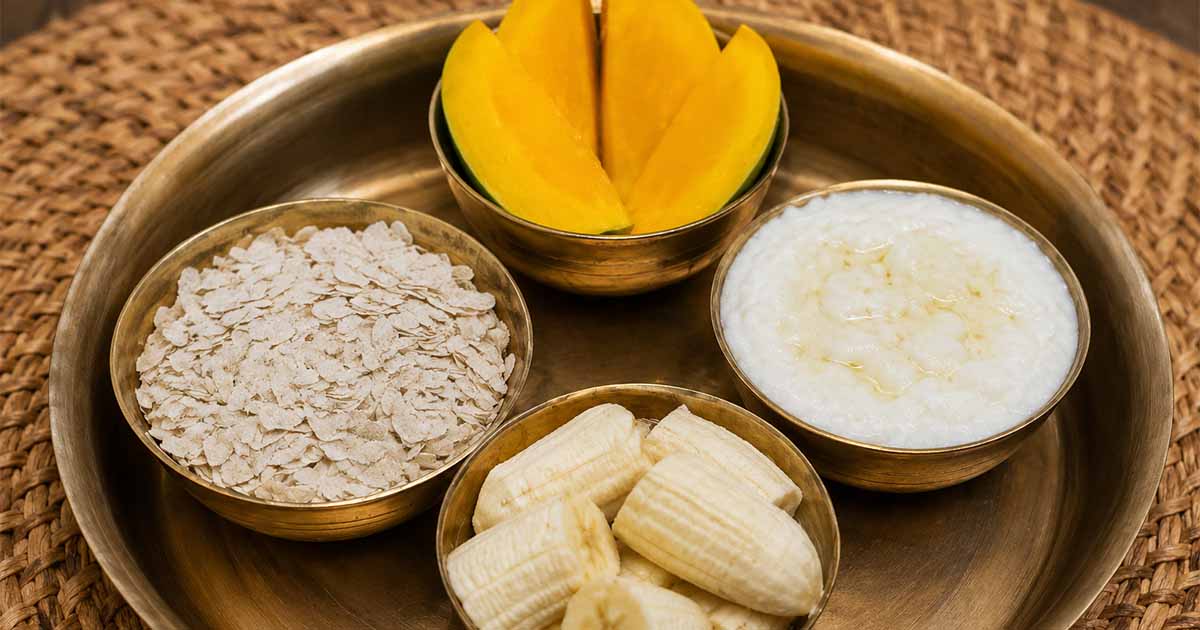
For farmers across Nepal, Asar 15 is more than a date on the calendar. It marks one of the busiest periods of the rice-growing season, when fields fill with people transplanting paddy, folk songs echo across villages, and the hard work of agriculture turns into a shared celebration. The day also reflects the close relationship between farming, culture and everyday life, even as many growers this year face delayed rains and concerns over fertilizer availability.
A celebration rooted in the paddy fields
Asar 15 has long been associated with rice transplantation, an essential stage in Nepal’s agricultural cycle. Farmers spend the day working in muddy fields, singing traditional planting songs and celebrating together despite the physically demanding work.
By the end of the day, sharing beaten rice with yogurt remains one of the most cherished traditions. The meal is widely regarded as refreshing during the summer season and is believed to help restore energy after hours of labor under the sun.
The custom is no longer limited to rural communities. Many families living in towns and cities also continue the tradition each year, treating the meal as a cultural ritual that connects them with Nepal’s farming heritage.
Food, health and cultural belief
Yogurt occupies a special place in Nepali society, where it is commonly associated with good fortune and is often eaten before important journeys or significant occasions as a symbol of शुभ beginning.
Health experts also consider yogurt beneficial because it contains beneficial bacteria that support digestive health. Traditional Ayurvedic practice similarly regards buttermilk and other yogurt-based foods as useful after meals, while the combination of yogurt and beaten rice has long been viewed as helpful in easing digestive discomfort, including diarrhea.
National Rice Day and its purpose
The Government of Nepal decided on Mangsir 29, 2061 B.S. to observe Asar 15 as National Rice Day. The annual observance officially began in 2062 B.S. with the aim of highlighting the importance of rice cultivation and encouraging greater interest in agriculture.
Across the country, the day is marked through paddy planting events and community celebrations that recognize the contribution of farmers to Nepal’s food production.
A festive occasion shadowed by challenges
This year’s celebration comes with growing concern in many farming communities.
Insufficient rainfall in several parts of the country has slowed rice transplantation, preventing planting from progressing as expected. Many farmers have also complained about shortages of chemical fertilizers, although the government maintains that adequate fertilizer stocks are available.
Even with those difficulties, Asar 15 continues to stand as a tribute to the labor of farmers, the promise of green fields and a tradition that remains deeply woven into Nepal’s cultural identity.

Written by Pushpa Tamang
Pushpa Tamang is the Managing Editor at Khoj Samachar, overseeing both English and Nepali bureaus and leading daily editorial operations, newsroom coordination, and journalistic standards across platforms.

Nepal New Traffic Bill Proposes Fines of Rs 500 to Rs 1 Lakh

Why Is Nepal Emptying Holding Centres in Five Days?

Kathmandu Traffic Fines Top Rs 2.3 Million in a Day

The Story of Shree Krishna BK
NEB Publishes Grade 12 Results, 64.13 Percent Students Pass
After 53 Closures in Ilam, 30 More Tea Factories Shut in Jhapa

Santosh Shah Released in Cheque Bounce Case