Nepal Health Ministry Strengthens Preparedness Against Nipah Virus
Nepal’s Health Ministry has stepped up nationwide preparedness and surveillance measures against potential Nipah virus risks, citing cases in neighboring countries while confirming no infections have been reported domestically.


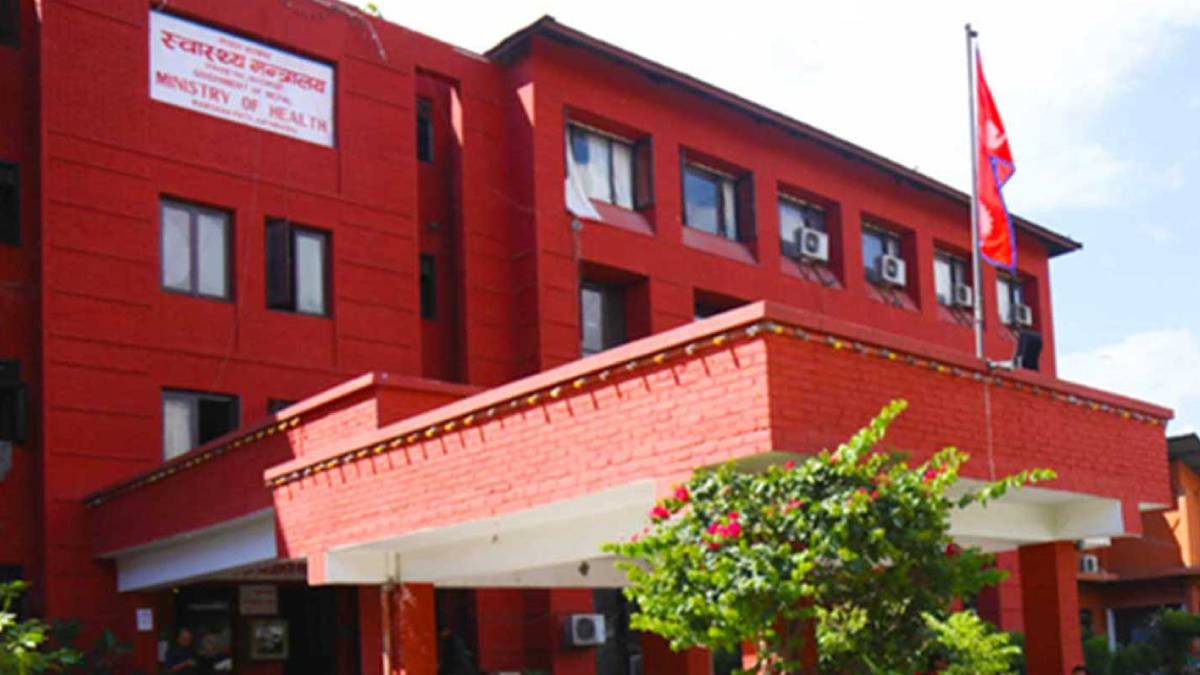
The Ministry of Health and Population has stated that it is taking the potential public health risk posed by the Nipah virus seriously and has strengthened preparedness measures across the country. Citing recent cases reported in neighboring countries, the ministry clarified that no Nipah virus infection has been confirmed in Nepal to date.
Although the World Health Organization has assessed the public health risk of the Nipah virus as low at both the global and Southeast Asia regional levels, the ministry said it is maintaining heightened vigilance to minimize any possible threat.
As part of its preparedness efforts, the Epidemiology and Disease Control Division has alerted health institutions nationwide and ensured that necessary testing arrangements are in place.
Transmission Risks and Preventive Measures
According to the ministry, the Nipah virus can be transmitted through the consumption of fruits contaminated with saliva, urine, or feces of infected bats. Infection may also spread through close contact with an infected person, exposure to blood or bodily fluids, and in some cases, through pigs acting as intermediate hosts between bats and humans.
In light of these risks, the ministry has urged the public to strictly follow basic public health safety measures. These include washing fruits thoroughly before consumption, properly cooking vegetables, drinking only boiled or safe water, maintaining cleanliness in animal sheds and farms, using protective equipment such as gloves and masks while handling meat, washing hands frequently with soap and water, and wearing masks in crowded places.
Symptoms, Reporting, and Official Advisory
The ministry noted that symptoms of Nipah virus infection may include fever, headache, muscle pain, dizziness, cough, breathing difficulties, nausea, and vomiting. In severe cases, patients may experience loss of consciousness or become unresponsive.
Health authorities have emphasized the importance of early identification of suspected cases, immediate isolation, and prompt reporting to relevant health agencies.
To prevent and control potential transmission, the ministry has called on all concerned stakeholders to strictly implement infection prevention and control measures. Individuals showing suspected symptoms have been advised to immediately contact the nearest health facility or call the health hotline at 1115.
The ministry further stated that it is working in coordination with national and international partner organizations and is continuously monitoring the situation. The public has been urged not to fall victim to rumors and to rely only on official information issued by the Ministry of Health and Population.


Written by Khoj Samachar Editorial Team | News Desk
Editorial team of Khoj Samachar responsible for publishing and managing news content, quality and timely coverage of national and global developments.

Suspicious Vehicles at Media Gates Put Nepal’s Democracy on Trial

Why Nepal Needs an AI-Based Digital Traffic Management System

Mahabir Pun Appointed Minister of Science and Innovation in Nepal

Don’t Worship Leaders

What Nepal’s NHRC Gen Z Protest Report Reveals

Khoj Samachar Expands Multilingual Publishing With Hindi Edition

Climate Change Is Draining Oxygen From Rivers Worldwide