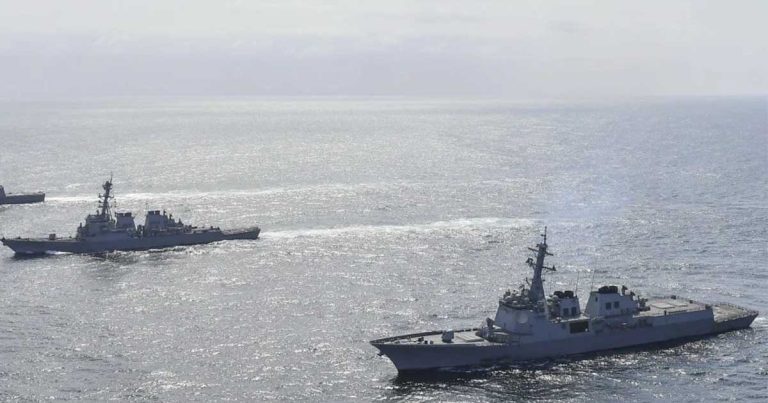
Iran-US Talks Stall, Oil Prices Jump
Brent and WTI crude climbed after signs of a pause in Iran-US negotiations renewed concerns over energy supply risks in the Middle East.



Global oil markets have turned sharply higher after signs that negotiations between Iran and the United States have stalled, bringing geopolitical risk back to the center of energy trading. After several weeks of softer prices driven by hopes of diplomatic progress, crude benchmarks jumped as investors reassessed the possibility of supply disruptions in one of the world’s most sensitive energy corridors.
Brent crude has climbed close to $95 per barrel, while the US benchmark West Texas Intermediate (WTI) has moved above $92. Market participants say the latest rally is being driven less by immediate changes in production and more by concerns over what could happen if regional tensions deepen.
Diplomatic uncertainty shifts market sentiment
Expectations of a possible understanding between Tehran and Washington had helped ease pressure in the oil market in recent weeks. The suspension of talks has now altered that outlook.
At the same time, tensions involving Iran, Israel and neighboring areas have added another layer of uncertainty. Traders are increasingly focused on the possibility that any escalation could affect production facilities, shipping routes or broader energy flows across the region.
What makes the current situation particularly important for markets is that risk perception often moves faster than actual supply. Even without a direct disruption, fears of future shortages can push prices higher as buyers seek protection against uncertainty.
Why Hormuz remains the market’s pressure point
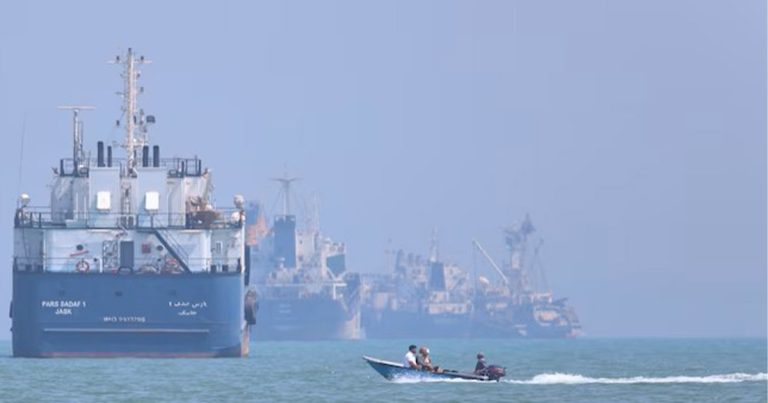
The Strait of Hormuz continues to be one of the world’s most critical energy chokepoints. Roughly one-fifth of global oil and liquefied natural gas supplies pass through the narrow waterway on their way to international markets.
Any interruption in traffic through the route can quickly affect global pricing and supply expectations.
- A significant share of global energy exports travels through the Strait of Hormuz.
- Shipping restrictions raise concerns about supply shortages.
- Fears of tighter supply typically push crude prices higher.
Although alternative routes have been used in some cases, normal transport patterns have not been fully restored. A prolonged disruption could gradually reduce available inventories and place further upward pressure on energy prices.
Inflation concerns return as crude rises
Higher oil prices can increase costs across transportation, manufacturing and power generation. Those costs often filter through to consumers, adding pressure to inflation at a time when many central banks are still trying to bring price growth under control.
In the United States, government bond yields have also edged higher. Economists warn that sustained increases in energy costs could complicate expectations for future interest-rate cuts, particularly if inflation proves more stubborn than anticipated.
Stocks continue climbing despite energy worries
The rise in oil prices has not stopped US equity markets from reaching fresh highs. Investors appear to be balancing geopolitical concerns against expectations that diplomatic efforts could eventually resume.
Strong capital flows into technology and artificial intelligence companies have also provided support to broader market indices. Gains among major AI-linked firms have helped offset some of the anxiety coming from the energy sector.
What comes next for Brent and WTI?
The direction of oil prices now depends heavily on political developments in the Middle East.
If Iran and the United States return to negotiations, shipping conditions through Hormuz improve and concerns over supply disruptions ease, both Brent and WTI could face downward pressure. Part of the recent rally could then unwind.
But if tensions intensify, military activity expands or energy infrastructure and transport routes come under direct threat, the market could see another leg higher.
For now, confidence is proving as important as production. Traders are reacting to every political signal, and that suggests continued volatility for both Brent and WTI in the weeks ahead.

Written by Pushpa Tamang
Pushpa Tamang is Managing Editor at Khoj Samachar, leading English and Nepali bureaus, newsroom operations, and editorial standards.

Sonam Wangchuk Update: Forced to Hospital, Says Abhijeet Dipke

Attack Was Attempted on Sonam Wangchuk, Says Abhijeet Dipke

Sonam Wangchuk Vows to Survive Hunger Strike Until July 20
US Attacks Iran Again as Fighting Enters Sixth Night
Jordan Shoots Down Eight Iranian Missiles
US House Passes Permanent Daylight Saving Time Bill
Indian Crew Member Killed in Hormuz Tanker Attack