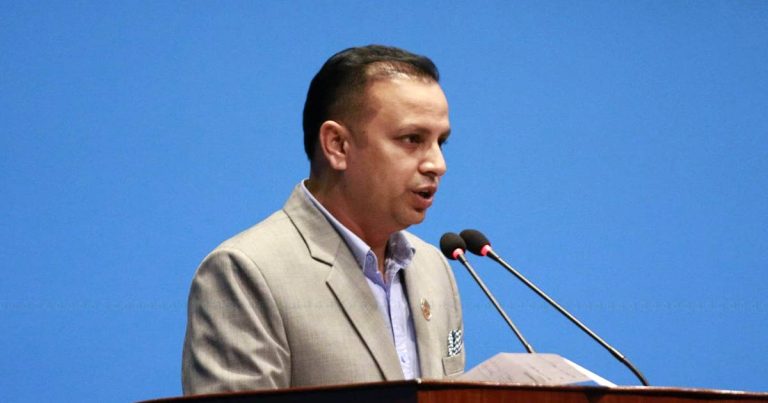
No U-Turn on Electricity VAT, Says Wagle
Finance Minister Dr. Swarnim Wagle says the government will not reverse its electricity VAT decision but is working on measures to shield consumers from higher bills.


The government has ruled out reversing its decision to impose Value Added Tax (VAT) on electricity consumption, even as public concern grows over the new tax burden set to take effect from the next fiscal year. Finance Minister Dr. Swarnim Wagle says the policy will remain in place, but insists consumers will not be forced to shoulder additional costs.
Speaking at a post-budget discussion organized in Kathmandu by the Nepal Economic Journalists Association (NAFIJ), Wagle said preparations are underway to introduce measures from mid-July that would offset the impact of the tax on households.
The debate intensified after the budget for the upcoming fiscal year introduced VAT on electricity consumption above 50 units. The announcement drew criticism from several quarters, particularly at a time when the government has been encouraging greater use of electricity in households and transportation.
Wagle argued that the move is part of a broader effort to make Nepal’s tax system more predictable and sustainable rather than simply raising revenue. He said discussions on bringing electricity consumption under the VAT framework had surfaced repeatedly in the past but governments had stopped short of implementing the policy.
According to him, the current administration decided to carry the proposal through despite its political sensitivity.
Alternative Measures Under Discussion
The Finance Minister said the government is exploring multiple options to ensure the tax does not directly increase consumers’ monthly bills.
- Adjusting electricity tariff rates
- Revising the threshold for concessions and discounts
- Introducing other compensatory mechanisms
He said consultations are also taking place with the Electricity Regulatory Commission as the government works on the final model.
The government’s challenge now is to reconcile two competing goals: expanding the tax base while maintaining public confidence in policies that encourage electricity use over imported fossil fuels.
Shift Toward Consumption-Based Taxation
Wagle used the discussion to outline a broader fiscal direction, saying Nepal must gradually move toward a taxation system that relies more on consumption than on income.
He argued that indefinitely financing services and benefits through subsidies is not sustainable and that structural reforms are necessary if public finances are to remain stable in the long run.
The Finance Minister also described the budget as more than an annual spending plan, saying it sets the economic direction for the next five years and is intended to support a gradual strengthening of the economy.
Lower-Priced Electric Vehicles Could Become Cheaper
Wagle indicated that electric vehicles priced below Rs 5 million may become more affordable following tax adjustments announced in the budget.
He said the changes were designed to make electric mobility accessible to a larger section of the population rather than limiting the benefits to higher-end vehicle buyers.
As discussion over the electricity VAT policy continues, the government has repeated its commitment to introducing arrangements that prevent a direct financial burden on consumers while proceeding with the tax reform agenda.

Written by Roshan Shrestha
Roshan Shrestha is a Nepali investigative journalist and founder of Khoj Samachar, covering corruption, transparency, and public-interest issues.
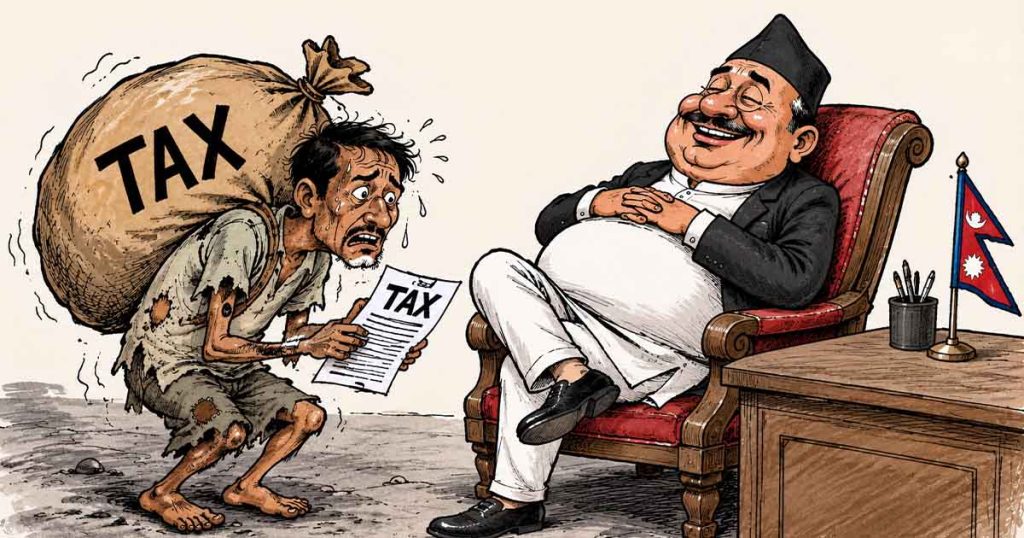
Tax Upon Tax for Nepal’s Public, Personal Secretaries for Lawmakers
Supreme Court Orders Immediate Release of Former UML MP Koiri
Government Restores Personal Secretary Facility for Lawmakers
Balen Shah Chairs Cabinet Meeting at Singha Durbar
Sobita Gautam Sends 166-Bill Plan to Nepal Parliament
Four Congress Ministers Resign from Karnali Government
ANNFSU Students Protest at Singha Durbar South Gate