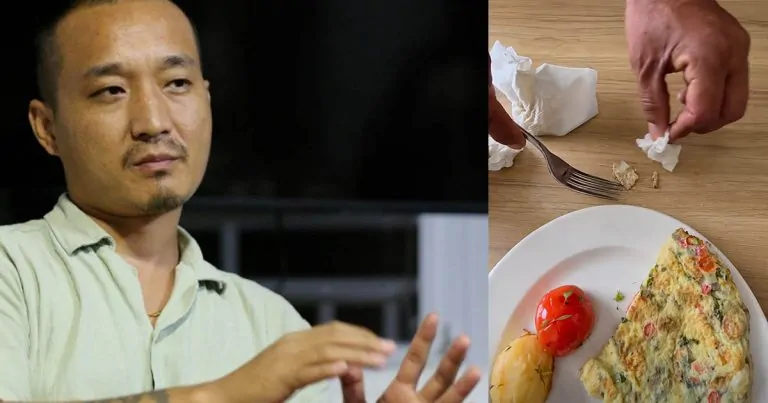
Gagan Thapa Says Congress Will Not Compromise on Citizens’ Rights
Nepali Congress President Gagan Thapa says democracy must protect citizens’ dignity amid debate over eviction drives in Kathmandu.


Nepali Congress President Gagan Thapa has said the party will not compromise on the issues of citizens’ rights and dignity, arguing that democracy loses its meaning when the state begins to overlook the very people it is meant to protect.
Speaking at a public event in Kathmandu on Sunday, Thapa signaled concern over the recent demolition drives carried out against informal settlements in the capital, saying development and urban management cannot come at the cost of human dignity.
“The Congress stands clearly in favor of citizens’ rights and self-respect,” he said, emphasizing that political power must remain accountable to ordinary people rather than administrative force.
His remarks come amid growing debate surrounding the Kathmandu Metropolitan City’s use of bulldozers in settlements occupied by landless and marginalized communities. While Thapa did not directly name the city administration, his comments reflected wider criticism over the handling of eviction operations and the absence of long-term rehabilitation measures.
Democracy Must Protect Human Dignity
Thapa said the protection of civil rights, participation, and dignity lies at the core of democratic politics. According to him, political struggles in Nepal were never solely about capturing state power, but about securing freedom and respect for citizens.
He argued that governments must remain sensitive while implementing policies tied to infrastructure, urban development, or governance reform.
“The state cannot move forward by weakening the dignity of its own people,” he said during the event.
Thapa also maintained that the Nepali Congress remains clear on issues related to national security, foreign policy, and governance. He said the party would continue supporting any effort aimed at strengthening good governance and institutional accountability.
Country’s Challenges More Important Than Internal Party Conflict
The Congress leader also addressed growing discussions surrounding factional tensions inside the party, saying the country’s broader challenges deserve greater attention than internal disputes.
According to Thapa, assuming leadership of a party with a long democratic history comes with responsibilities that go beyond managing organizational rivalries.
“I am now walking in the shoes once worn by BP Koirala,” he said, referring to the founding democratic leader of Nepal. “The responsibility of leading such a historic party is not to remain trapped in internal quarrels, but to think seriously about the future of the country.”
His remarks appeared aimed both at party insiders and supporters increasingly frustrated by prolonged internal divisions within the Congress.
Attempt to Rebuild Lost Public Trust
Speaking about proposals surrounding a special general convention within the party, Thapa said Nepali Congress cannot be viewed merely as an organizational structure. He described it as a political force emotionally connected to millions of supporters across the country.
Acknowledging that the party had lost the confidence of many supporters in recent elections, Thapa said rebuilding that trust remains one of his political priorities.
“I want to reach those supporters again,” he said. “I want to restore the belief that once connected them to the Congress.”
The speech reflected an effort by Thapa to position himself as both a reform-oriented leader inside the party and a political figure focused on larger national concerns at a time when questions around governance, public accountability, and democratic values continue to dominate Nepal’s political discourse.


Written by Roshan Shrestha
Roshan Shrestha is a Nepali investigative journalist and founder of Khoj Samachar, covering corruption, transparency, and public-interest issues.
Prime Minister’s Office Like Hitler’s Gas Chamber: Lawmaker
Speaker Aryal: Learn Parliament, Not Your Phone
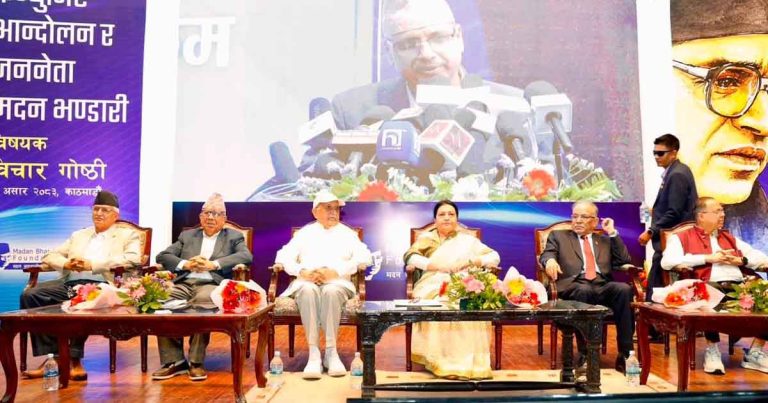
Four Former PMs Share Stage at Madan Bhandari Event
Prachanda Urges Left Unity at Bhandari Anniversary
Ramji Yadav Faces Scrutiny After Party Election Loss
RSP Elects Rabi, Swarnim, Sobita and Bipin to Top Posts
RSP Central Committee Elected Members List 2026