Nepal Chief Secretary Warns on Corruption
Suman Aryal directs strict monitoring, holding office heads responsible for corruption and misconduct in public institutions.


Kathmandu — Chief Secretary Suman Aryal has directed ministries and public offices to take stricter responsibility for corruption control, warning that office heads will be held primarily accountable for any irregularities.
Accountability of Office Heads in Corruption Cases
In a formal communication sent to secretaries across ministries, commissions, and government offices on Thursday, Aryal emphasized that any instance of corruption or administrative misconduct would place initial responsibility on the head of the concerned office or institution. He urged senior officials to ensure close monitoring of activities within their jurisdictions and to take immediate action if any wrongdoing is detected.
The directive calls for stronger internal oversight, particularly in areas vulnerable to misuse such as service delivery, development projects, revenue administration, and public procurement. Officials have been instructed to report any signs of corruption promptly to the relevant authorities, reinforcing a system of early detection and response.
Push for Ethical Governance and Systemic Reforms
Highlighting the importance of ethical governance, Aryal reminded that enforcing codes of conduct is a primary duty of office leaders. He stressed that government employees must maintain neutrality, transparency, and discipline, while also improving professionalism and integrity across public institutions.
Office heads were also asked to ensure respectful and inclusive service delivery, prioritizing vulnerable groups such as women, children, persons with disabilities, senior citizens, and the disadvantaged.
The Chief Secretary’s message comes amid growing concern over Nepal’s performance in global corruption indicators. He noted that the newly formed government has placed high priority on eliminating corruption at all levels—policy, institutional, and procedural—and strengthening good governance across the public sector.
Aryal further called on officials to enhance efficiency, cost-effectiveness, and accountability in daily operations. He stressed that governance reforms must not only exist on paper but be visible in the quality of public services experienced by citizens. Improving conduct, transparency, and effectiveness, he said, is essential to restoring public trust.
As part of the broader anti-corruption push, ministries and agencies have also been asked to submit practical recommendations to the Office of the Prime Minister and Council of Ministers. These suggestions should focus on policy, legal, institutional, procedural, and behavioral reforms needed to prevent and control corruption more effectively.
The Chief Secretary corruption directive signals a stronger enforcement approach, with the government aiming to translate commitments into measurable improvements in governance and public service delivery in the coming months.


Written by Roshan Shrestha
Roshan Shrestha is a Nepali investigative journalist and founder of Khoj Samachar, covering corruption, transparency, and public-interest issues.
Prime Minister’s Office Like Hitler’s Gas Chamber: Lawmaker
Speaker Aryal: Learn Parliament, Not Your Phone
Four Former PMs Share Stage at Madan Bhandari Event
Prachanda Urges Left Unity at Bhandari Anniversary

Ramji Yadav Faces Scrutiny After Party Election Loss
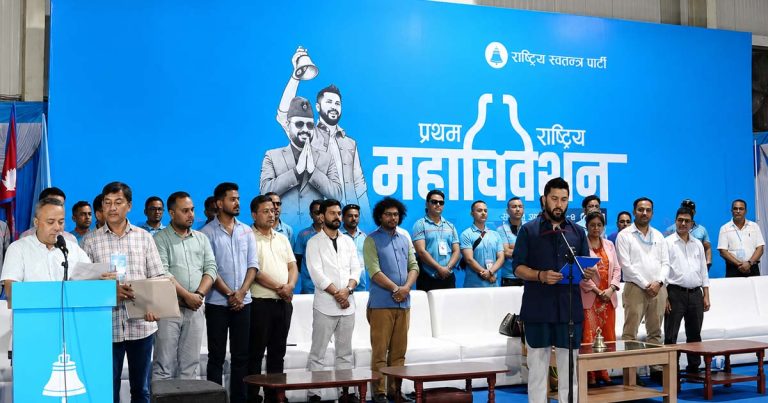
RSP Elects Rabi, Swarnim, Sobita and Bipin to Top Posts
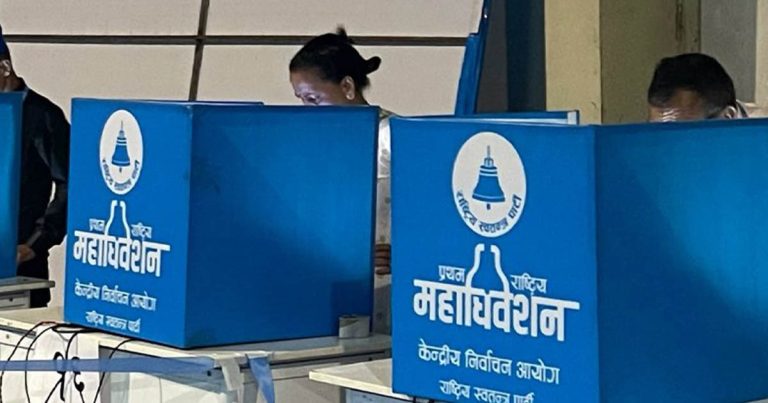
RSP Central Committee Elected Members List 2026