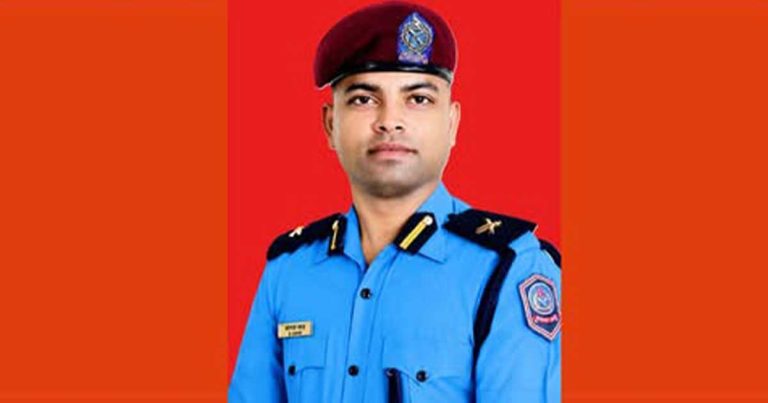
Bhaktapur–2 Emerges as One of Nepal’s Most Competitive Electoral Battlegrounds After Jhapa–5
Bhaktapur–2 is shaping up as one of the most closely watched constituencies after Jhapa–5, with UML, Nepali Congress, RSP, and Maoist Centre all fielding strong candidates. Past voting trends, youth influence, and the presence of smaller parties are making the contest unpredictable, leaving the final decision firmly in the hands of voters.


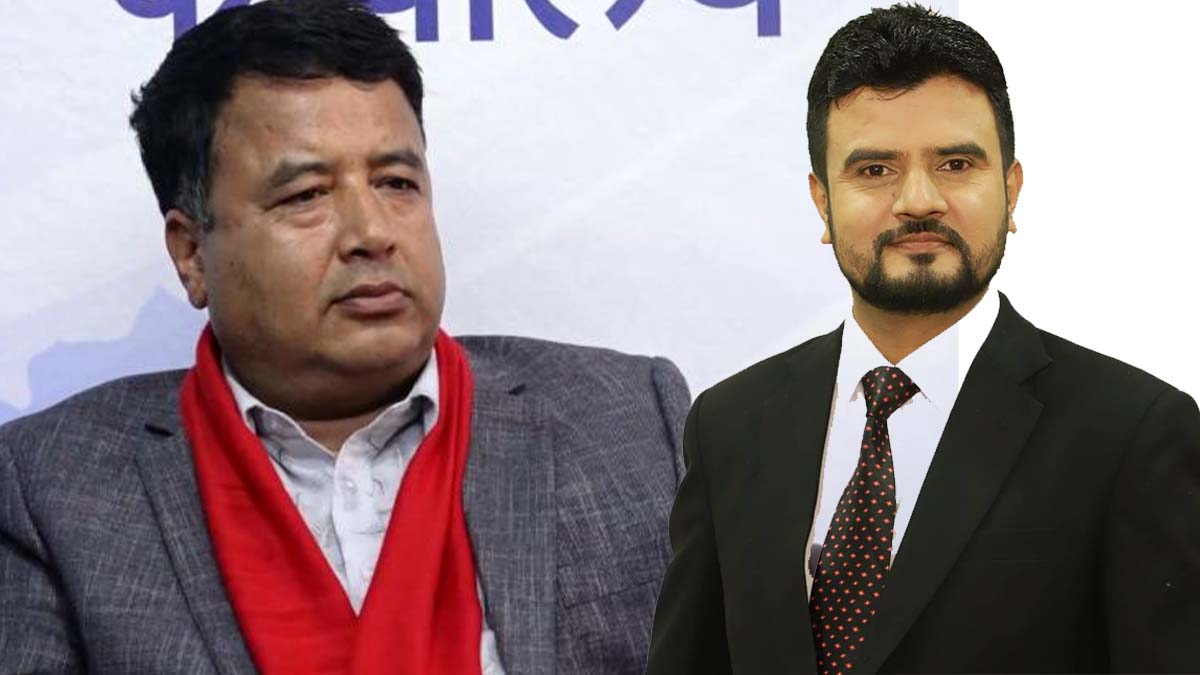
After Jhapa-5, Bhaktapur-2 is also becoming one of the most talked-about constituencies in this election. For many years, this area has mostly seen competition between CPN-UML and Nepali Congress. But this time, the contest is wider, as CPN (Maoist Centre) and Rastriya Swatantra Party (RSP) have also fielded strong candidates.
Just like Jhapa-5 has turned into a prestige fight between UML and RSP, Bhaktapur-2 has also become a matter of political pride for Mahesh Basnet and Rajib Khatri. At present, UML and RSP are seen as the biggest rivals in national politics. After the Gen-Z movement, Mahesh Basnet has been under strong criticism from young voters. Because of this, this election is very important for him. He looks fully focused on winning this time.
In the last election, Basnet lost by a very small margin of only 957 votes. If he loses again, it could seriously affect his political future. In recent times, he is seen as close to UML leadership, and the confidence he shows suggests that winning has become almost necessary for him.
Strong Competition From Multiple Candidates
Even with this determination, the election is not easy for Basnet. Nepali Congress remains strong in the area. Along with that, Ram Prasad Sapkota (Dipshikha) from CPN (Maoist Centre) and Rajib Khatri from RSP are also in the race. Both are familiar faces among young voters.
Looking at data from the election held on December 4, 2022, Bhaktapur-2 had 83,930 voters. Out of them, 63,693 people voted. Nepali Congress candidate Durlabh Thapa Chhetri won with 24,239 votes, while Mahesh Basnet received 23,282 votes.
These numbers clearly show that UML is not weak in Bhaktapur-2. So, defeating Basnet will not be an easy journey for Rajib Khatri. But it is not impossible either.
Changing Political Trends
Recent elections have shown that even in areas without strong alternative political history, new faces can win. Victories by Balen Shah in Kathmandu, Rabi Lamichhane in Chitwan, and Harka Sampang in Dharan proved that candidates outside traditional parties can defeat Congress, UML, and Maoists.
Because of the Gen-Z movement and the rise of new political forces, the result in Bhaktapur-2 may also come differently than expected.
Smaller Parties Can Decide the Result
In the last election, the RSP candidate received 4,098 votes. This shows that RSP already has a base here. Still, defeating both UML and Congress will need more than simple effort.
Another important factor is Nepal Workers and Peasants Party (NWPP). This party usually secures around 5,000 to 7,000 votes in Bhaktapur. These votes can become decisive in winning or losing the seat.
CPN (Maoist Centre) may not be very strong here, but its candidate Ram Prasad Sapkota has long political experience, including leadership in YCL. Even if winning is difficult, he is likely to attract some youth votes.
So overall, winning Bhaktapur-2 is not easy for any single candidate. However, if understanding and cooperation happen among RSP, Maoist Centre, and NWPP, breaking the UML-Congress dominance could become possible.
Final Decision Lies With the Voters
Bhaktapur-2 is a politically aware and accessible constituency. Voters here are capable of deciding which party and which person is better for their area. Every vote cast on Falgun 21 will matter. Voters are encouraged to choose candidates who are educated, who can speak for people, who think beyond personal interest, and who can help in making national policies.
People should ask candidates simple questions: What is your vision? What is your plan for the country? And how will you actually make it happen? In the end, even though all candidates in Bhaktapur-2 carry their own strengths, the power to decide the winner remains fully in the hands of the people of Bhaktapur.


Written by Roshan Shrestha
Roshan Shrestha is a Nepali investigative journalist and founder of Khoj Samachar, covering corruption, transparency, and public-interest issues.
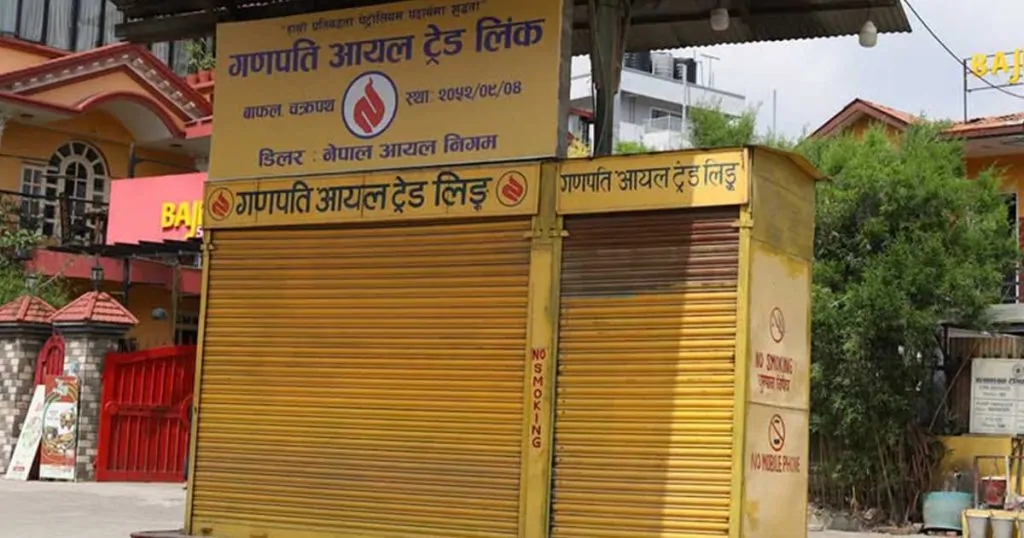
Nepal to Fine Fuel Pumps Up to NPR 1 Million for Shutting Down
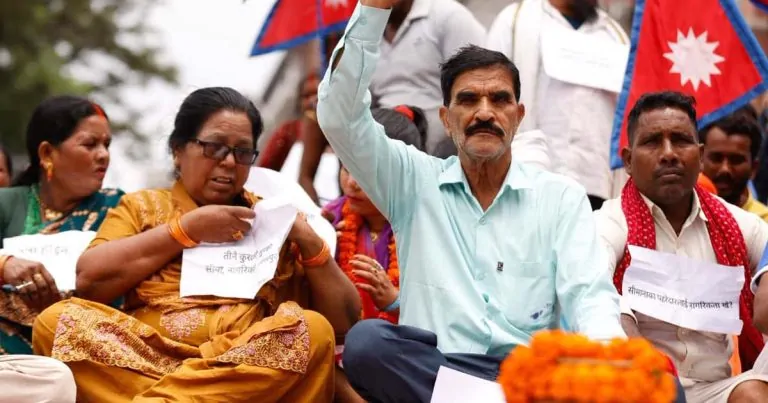
Why Susta Residents Have Come to Kathmandu?
Nepal Government to Print National ID Cards Itself
Mahesh Basnet Defends Bishnu Paudel After Arrest
Everything You Need to Know About the 2026/27 National Budget
Singha Durbar Toilets Remain in Poor Condition
Manoj Kumar Sharma Set to Become Nepal’s Chief Justice