Balen Shah Black Car Controversy Raises Questions on Transparency
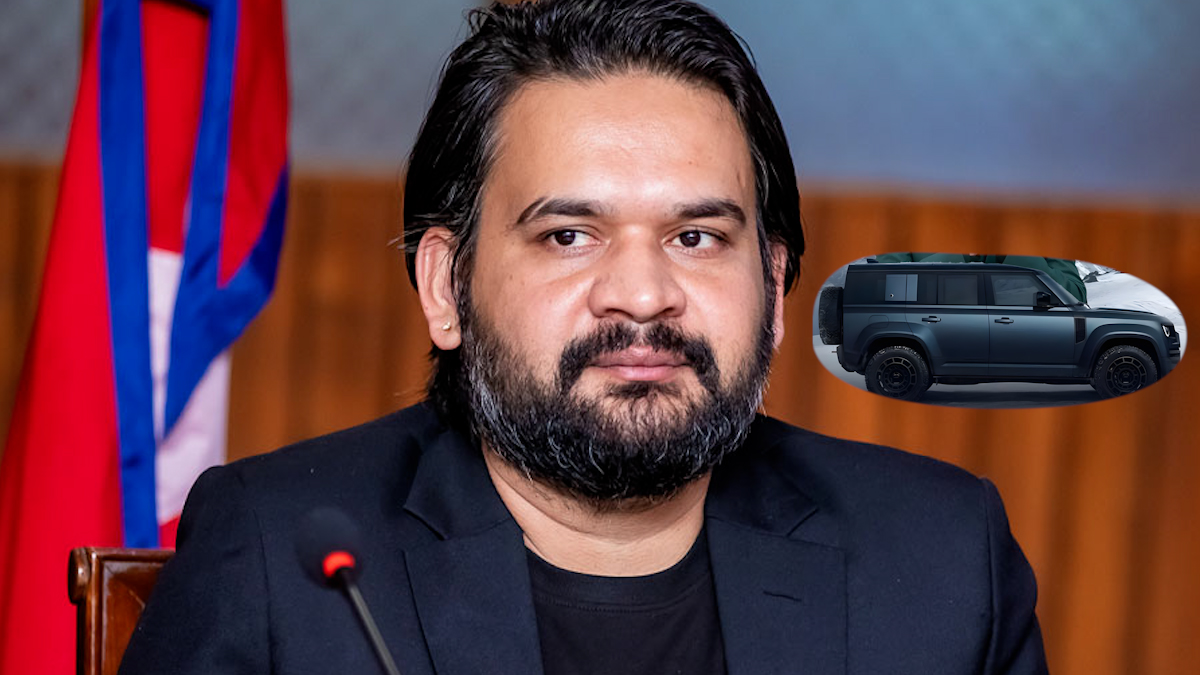
A controversy has emerged over a black luxury car used by Balen Shah during election campaigning. The issue has raised public questions about transparency and accountability, especially at a time when new political leaders are expected to set higher standards than traditional politics.


For many years, people have accused traditional political leaders of corruption. According to public belief, many old leaders took donations from business groups and middlemen before elections and, after coming to power, worked more for those interests than for the country and its citizens.
Leaders who once came from villages with nothing are now seen owning luxury houses, expensive vehicles, and huge assets, despite never running any visible business or holding long-term professional jobs. In simple words, people believe that old leaders failed to practice transparent politics.
That is why citizens started looking for alternatives. People chose new faces, hoping for clean, accountable, and transparent leadership. However, a serious question now arises: If new leaders also fail to maintain transparency, what is the real difference between old and new politics?
On what basis should people continue to see them as alternatives?
This question has become even more important because, whenever someone raises questions about new leaders, some supporters immediately respond by pointing at old leaders like Oli, Prachanda, or Sher Bahadur Deuba and ask about their sources of wealth instead.
This kind of argument is not appropriate. The reason people wanted new leadership in the first place was because old leaders failed. Saying “they looted, so we can too” cannot be justified under any circumstances.
Public Curiosity Over an Expensive Vehicle
Throughout the day, social media has been actively discussing a black luxury vehicle recently used by Rastriya Swatantra Party leader Balen Shah. During election campaigning, Balen Shah visited Pathibhara in Taplejung. From the day of candidate registration until his visit to Pathibhara, he has been seen personally driving this vehicle. According to market estimates, the vehicle costs several crores of rupees.
As elections approach and as Balen Shah publicly speaks about future national leadership, it is natural for people to ask: Who provided such an expensive vehicle, and for what purpose?
This curiosity exists because of a long-standing political culture in the country. Before elections, leaders often receive costly gifts or financial support, and after elections, those donors expect favors once power is gained. Because Balen Shah is seen by many young people as a symbol of hope, clarity on this issue becomes essential.
If the vehicle was given as a permanent gift, the public deserves to know who gave it, when it was given, and for what purpose. If it was provided only for temporary election use, that should also be clearly stated by both sides. And if the vehicle was purchased personally, that too should be openly clarified. In politics, once someone enters public life, even small details become public interest. Transparency is not optional—it is necessary.
Why Political Gifts Create Long-Term Risks
In politics, influence does not begin with direct demands. It begins quietly. When a political leader or party starts gaining popularity and appears capable of running the government, business groups and intermediaries often move closer. At first, they provide expensive gifts or financial help, presenting it as selfless support for the nation.
During elections, these groups often bear large expenses while claiming they only want good leadership for the country. But once the leader or party comes to power, the real expectations begin.
At first, the requests may seem small and harmless. A leader might think, “They helped so much during elections; this is just a small favor.” Slowly, these small favors turn into a pattern, and before realizing it, the leader or party becomes trapped in a web of influence.
This is not a story. This is a reality that has repeated itself for decades. For such interest groups, it does not matter who comes to power. What matters is that power listens to them.
That is why new parties and new leaders must distance themselves from such groups early. They must practice clear accountability and transparent politics in front of the people. Only then can they truly become an alternative—not just in name, but in action.


Written by Roshan Shrestha
Roshan Shrestha is a Nepali investigative journalist and founder of Khoj Samachar, covering corruption, transparency, and public-interest issues.
Why Nepal Needs an AI-Based Digital Traffic Management System
Mahabir Pun Appointed Minister of Science and Innovation in Nepal
Don’t Worship Leaders

What Nepal’s NHRC Gen Z Protest Report Reveals
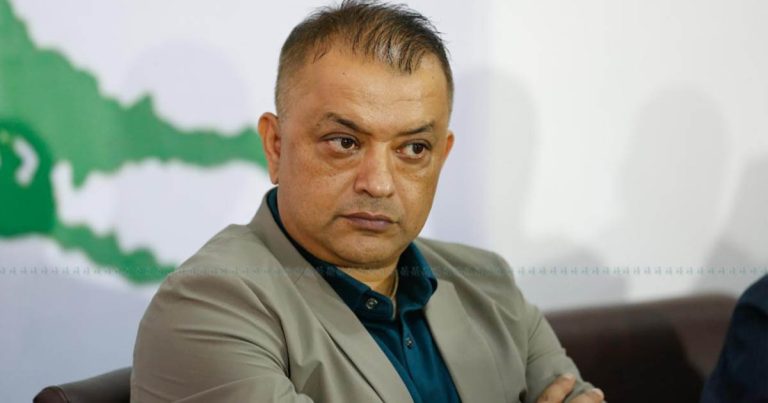
Gagan Thapa Warns Government Against ‘Arrogance of Numbers’
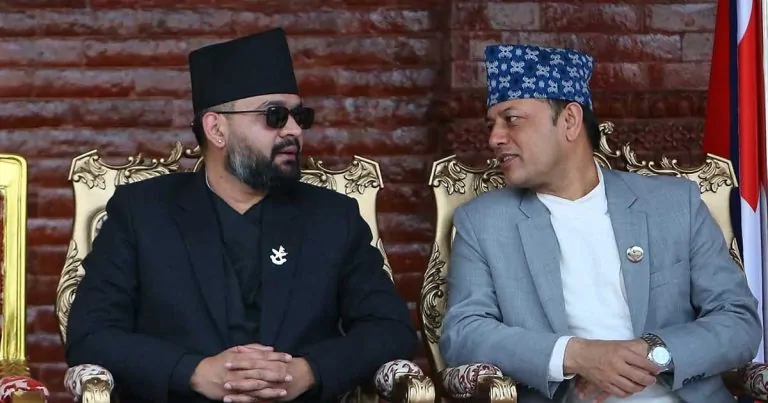
Speaker DP Aryal Meets PM Balen Shah as Parliament Remains Disrupted
Khoj Samachar Expands Multilingual Publishing With Hindi Edition