Russia, Ukraine and U.S. Hold Trilateral Talks in Abu Dhabi After Nearly Four Years of War
Russia, Ukraine and the United States met in Abu Dhabi for their first trilateral talks since the war began nearly four years ago, with territorial disputes dominating the agenda and no immediate agreement reached.


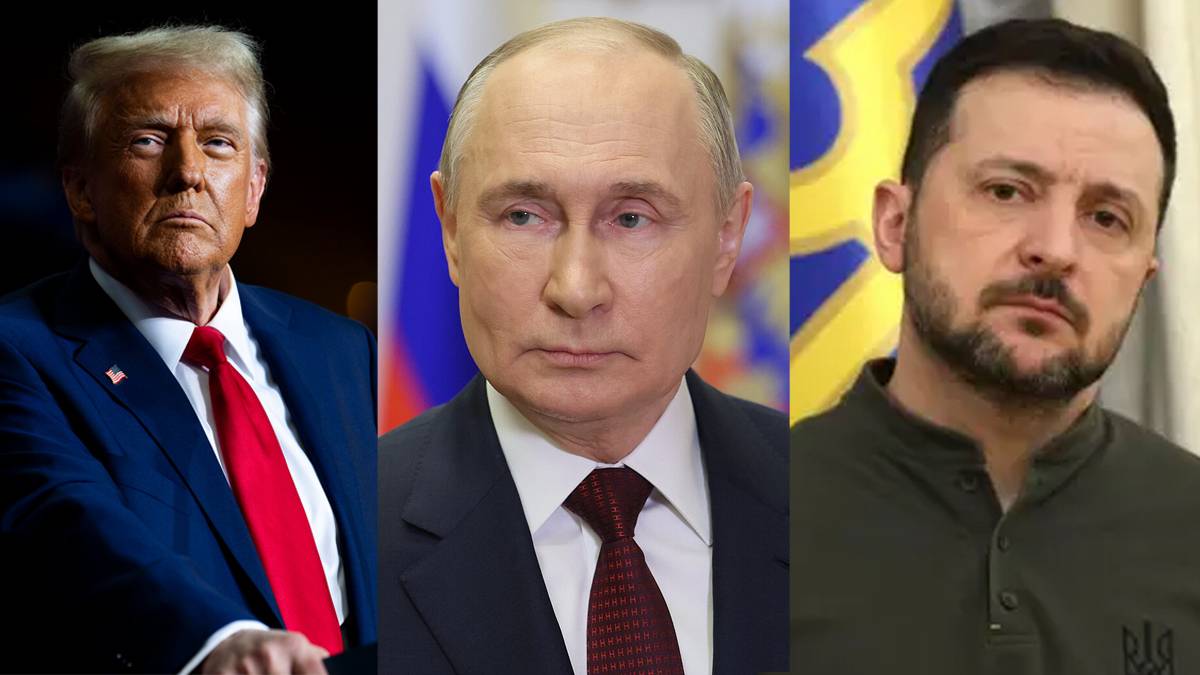
For the first time in nearly four years since the Russia–Ukraine war began, trilateral talks have been held involving Russia, Ukraine and the United States. The discussions took place on Friday in Abu Dhabi, the capital of the United Arab Emirates, with senior diplomatic and security officials from all three countries participating.
The talks are expected to continue on Saturday. According to the international news agency Reuters, territorial issues dominated the agenda, but there has been no indication so far of any concrete agreement.
Territorial Disputes Dominate Agenda as Pressure Grows to End War
Following Russia’s full-scale invasion of Ukraine in February 2022, pressure from the United States to bring the war to an end has intensified. Russia, however, has consistently reiterated its position that Ukraine must fully cede the eastern industrial Donbas region before any cessation of hostilities.
Ukrainian President Volodymyr Zelenskyy said that territorial disputes were the central focus of the Abu Dhabi talks. He stressed that since Russia initiated the war, it must also be prepared to take responsibility for ending it.
Zelenskyy stated that although he has remained in constant contact with Ukraine’s negotiating team, Friday’s discussions did not produce any conclusion and that talks would continue on Saturday.
The Ukrainian delegation is being led by Rustem Umerov, Secretary of Ukraine’s National Security and Defense Council. He said discussions covered the parameters for ending the war and the framework for the next phase of negotiations.
The talks followed shortly after Zelenskyy met U.S. President Donald Trump on the sidelines of the World Economic Forum in Davos, Switzerland. Zelenskyy said an agreement on U.S. security guarantees for Ukraine has already been prepared, and that Kyiv is awaiting confirmation from Trump on the date and venue for signing.
Ukraine has been seeking strong security guarantees from Western countries to prevent any renewed Russian aggression after a potential peace agreement.
Energy Attacks, Territorial Demands and Reparations Remain Key Obstacles
Even as negotiations mediated by the United States continue, Russia has intensified attacks on Ukraine’s energy infrastructure. Power and heating supplies have been disrupted in Kyiv and other major cities, further complicating conditions during the winter season.
The head of Ukraine’s largest private power producer, Maksym Tymchenko, warned that the situation is approaching a “humanitarian crisis” and said a ceasefire halting attacks on energy infrastructure is urgently needed.
According to Ukraine’s energy minister, the country experienced its most difficult day since the widespread blackout of November 2022 on Thursday. Russia claims it seeks a diplomatic solution but has maintained that military operations will continue until its objectives are achieved.
President Vladimir Putin’s demand that Ukraine hand over roughly 20 percent of the Donetsk region still under Ukrainian control—around 5,000 square kilometers—has emerged as the biggest obstacle to a peace agreement.
Zelenskyy has repeatedly refused to relinquish territory that Russia has failed to capture during four years of intense fighting. Opinion polls also show low public support in Ukraine for any territorial concessions.
Kremlin spokesperson Dmitry Peskov said Russia’s condition that Ukraine fully cede Donbas remains unchanged.However, Ukraine and Western countries have rejected Russia’s 2022 declaration of annexation of Donetsk and other regions.
Russia has also proposed using approximately $5 billion worth of Russian assets seized in the United States to rebuild territories in Ukraine currently under Russian control. Ukraine and its European allies, however, insist that Russia must pay war reparations.
The Abu Dhabi meeting marked the first time since the war began that Ukrainian and Russian envoys sat at the same table with an American mediator. Previously, the two sides held direct talks in Istanbul last year, while in November a senior Ukrainian military intelligence official met separately with U.S. and Russian representatives in Abu Dhabi.


Written by Khoj Samachar Editorial Team | News Desk
Editorial team of Khoj Samachar responsible for publishing and managing news content, quality and timely coverage of national and global developments.
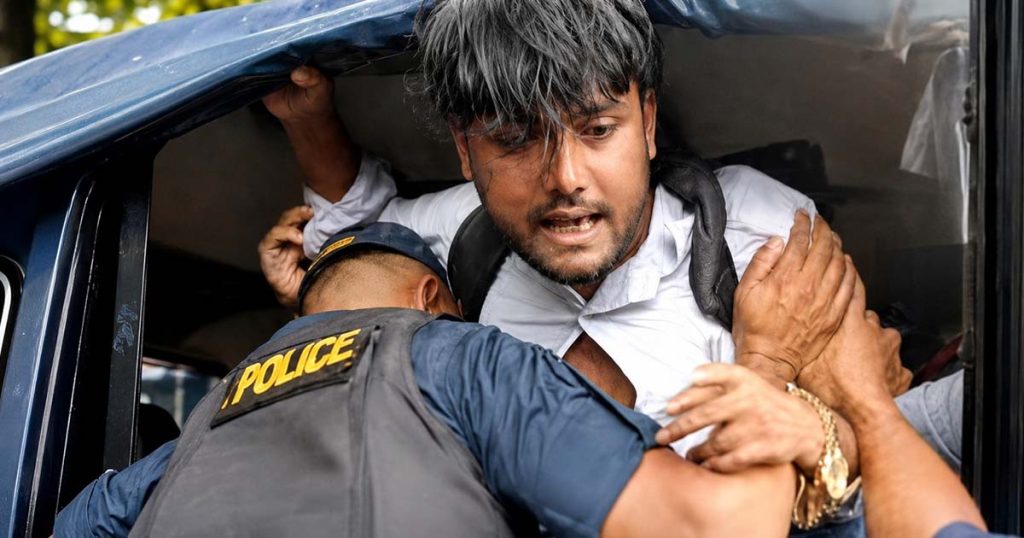
Majid Ansari and Gen Z Arrests Raise Kirtipur Police Questions

Kulman to Energy Minister: Give NEA a Full-Time Chief
Is the Balen Government Heading Toward Authoritarianism?

Santosh Rajbanshi: When Will Farmers Get Fertilizer?
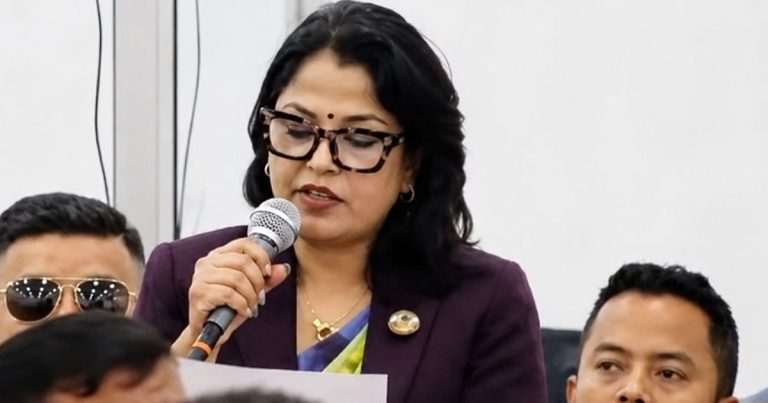
Lima Adhikari Urges EU Air Safety List Review

Bhutanese Refugee Scam: 16 Convicted, 7 Acquitted, 8 Fled
Kulman Ghising: Government Has Energy, Needs Experience