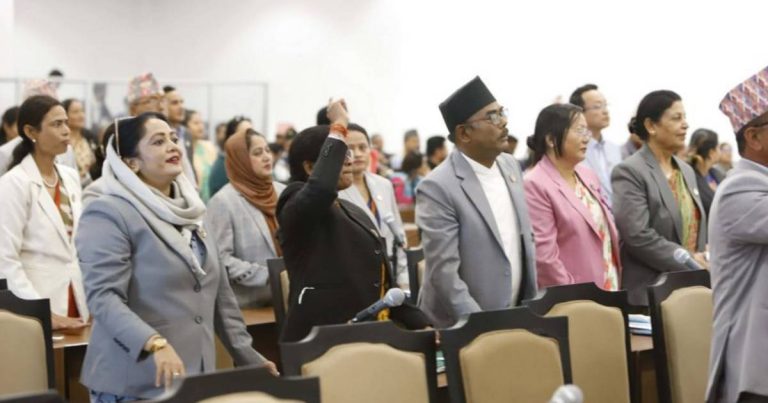
Israel and U.S. Strike Iran; Tehran Launches Missile Retaliation Across Middle East
Israel and the United States carried out strikes inside Iran, prompting Tehran to launch ballistic missiles at Israel and U.S. military bases across the Middle East.


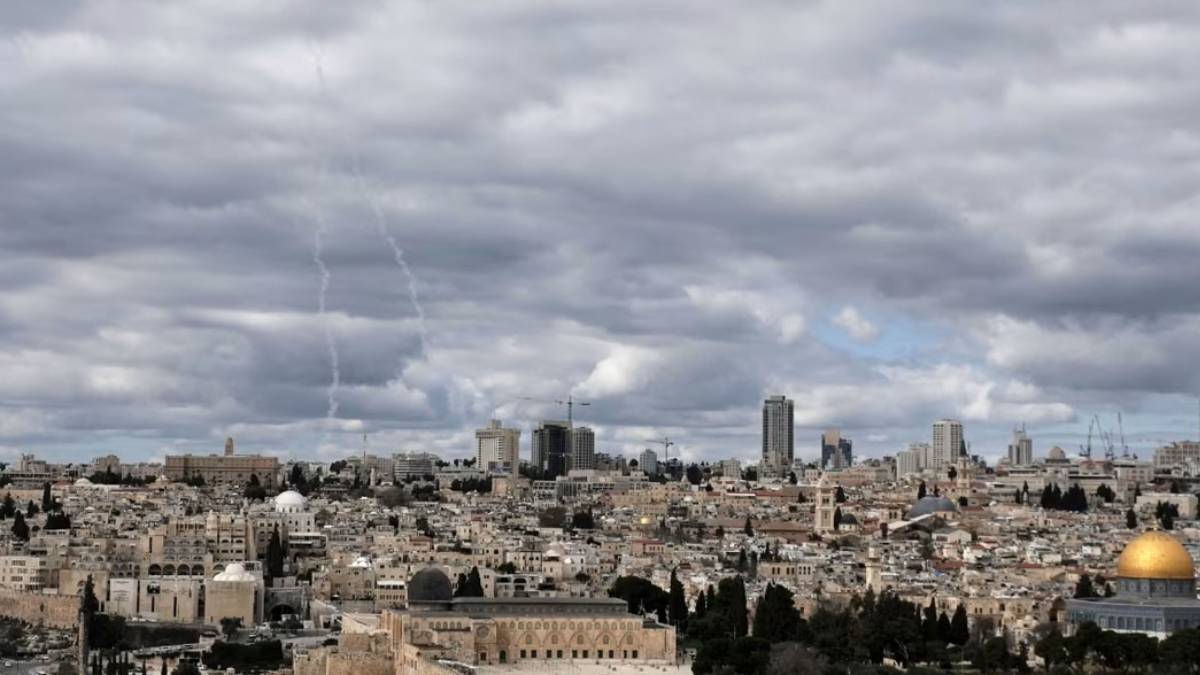
Tensions across the Middle East escalated sharply after Israel and the United States carried out military strikes inside Iran, prompting Tehran to launch retaliatory ballistic missile attacks against Israel and U.S. military facilities in the region.
Initial Strikes and Missile Retaliation
Early Saturday, Israel confirmed targeted strikes in Tehran and other Iranian locations. Shortly afterward, U.S. President Donald Trump stated that the United States had also conducted military action against Iran. The coordinated announcements marked a significant escalation in the Israel-Iran confrontation.
In response, Iran launched dozens of ballistic missiles toward Israel. Israeli media broadcast footage showing the country’s air defense systems intercepting incoming projectiles. Air raid sirens were activated in multiple locations.
Regional Targets and Security Response
According to CNN, Iran also targeted several American military installations across the Gulf and wider Middle East. Reported targets included Al Udeid Air Base in Qatar, Al-Salem Air Base in Kuwait, Al Dhafra Air Base in the United Arab Emirates, and a U.S. naval facility in Bahrain. A U.S. base in northern Iraq was also reported to be among the intended targets.
Qatari authorities said their air defense systems intercepted three missiles. Kuwait’s military confirmed that its air defense units blocked incoming threats, while a military spokesperson in Jordan reported that two ballistic missiles were successfully intercepted.
In the United Arab Emirates, air defense systems neutralized a missile, but debris reportedly fell on a residential building, resulting in one fatality.
As of now, there are no confirmed reports of large-scale casualties or extensive destruction from Iran’s retaliatory strikes, according to CNN. However, security analysts warn that the exchange of attacks significantly increases the risk of broader regional instability.
Governments across the Middle East have heightened security measures. The government of Nepal has advised its citizens in Israel, Iran and Gulf countries to remain alert and follow local security guidance. Diplomatic observers say urgent de-escalation efforts will be critical to preventing further expansion of the conflict.


Written by Roshani Shrestha Pathak
Roshani Shrestha Pathak is the English Bureau Chief at Khoj Samachar, overseeing English-language editorial operations and newsroom coordination.
Man Climbs Telecom Tower, Demands Marriage to Girlfriend
Why Did Ganesh Nepali Take This Step?

Mahabir Pun Faces Criticism Over Relief Teacher Remarks

Bhishma Raj Angdembe Demands Fair Probe Into Gurung Case

Nepali Congress Sets Deadline for Membership Renewal

Harka Sampang Criticizes PM Balen Shah’s Absence

Government Separates Science Ministry Amid Mahabir Pun Demand