Mahabir Pun Faces Criticism Over Relief Teacher Remarks
Relief teachers demand clarification after comments in parliament sparked concern over their role in Nepal’s education sector


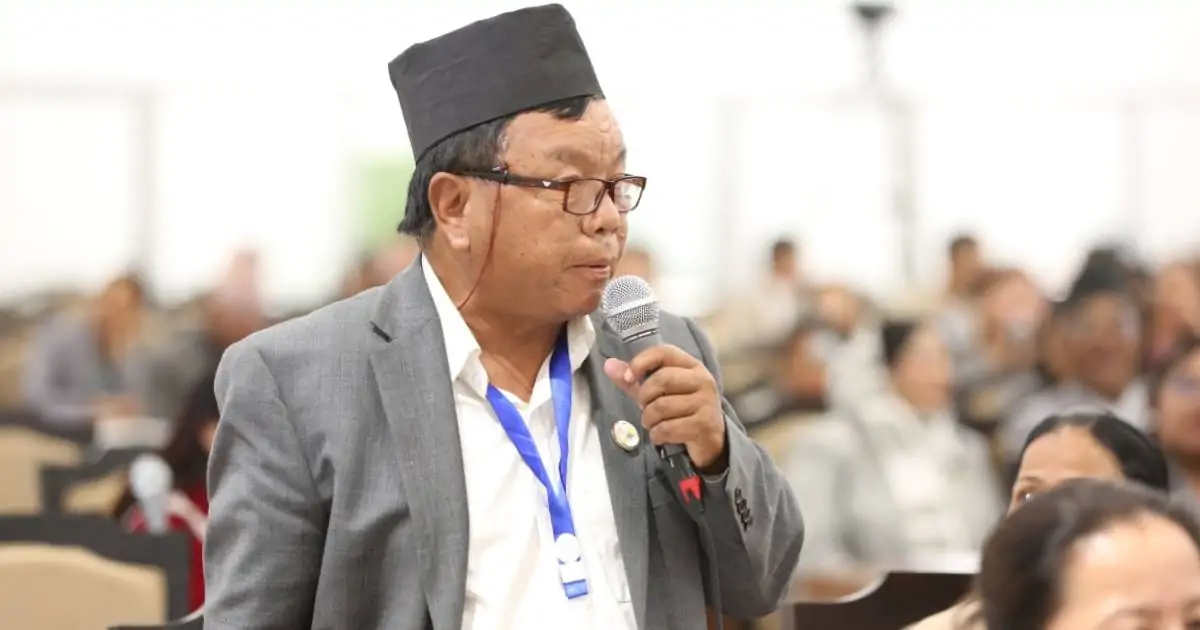
Relief teachers in Nepal have strongly objected to remarks made by lawmaker Mahabir Pun during a recent session of the House of Representatives, calling his comments misleading, inappropriate, and damaging to their dignity.
The Nepal Relief Teachers Central Committee issued a statement on Friday criticizing the parliamentarian’s comments delivered during the federal parliament meeting held on May 13. The organization said the remarks deeply hurt the self-respect of relief teachers working across the country and demanded that the statement be corrected publicly.
The dispute has added fresh tension to the ongoing debate surrounding education reform and the role of temporary teaching staff in Nepal’s school system. Relief teachers’ representatives warned that any negative consequences arising from the comments would be the responsibility of the lawmaker concerned.
Teachers’ Committee Raises Strong Objection
The Nepal Relief Teachers Central Committee said the statement delivered in parliament was based on inaccurate claims and failed to respect the contribution of relief teachers in the education sector.
In a joint statement signed by committee president Birendra Malla and general secretary Dambar Rai, the organization expressed serious dissatisfaction over the comments. The committee stated that the remarks were not only factually incorrect but also disrespectful toward thousands of teachers serving in schools under difficult circumstances.
The statement emphasized that the comments had caused emotional distress among relief teachers and harmed their professional image.
Remarks Made During Parliamentary Session
The controversy began after lawmaker Mahabir Pun spoke in the House of Representatives during discussions related to improving Nepal’s education system.
While addressing lawmakers, Pun reportedly argued that relief teachers were not providing quality education and suggested that the current arrangement should be replaced with a quota-based system. His remarks quickly drew criticism from teacher organizations, which viewed the statement as unfair and generalized.
Relief teachers argued that such comments ignored the realities faced by educators working with limited resources and unstable employment conditions.
Warning Issued Over Possible Consequences
The teachers’ committee also issued a warning in its statement, saying that if the lawmaker failed to correct his remarks, he would be responsible for any negative impact created by the expression.
The organization did not specify what form of action could follow, but it stressed that public representatives should speak responsibly, especially on issues connected to education and public service workers.
The committee urged political leaders and lawmakers to avoid making statements that could undermine the morale of teachers working in schools across Nepal.
Education Debate Gains Political Attention
The issue has once again brought attention to long-standing discussions surrounding Nepal’s education sector and the status of relief teachers.
Relief teachers have often raised concerns about job security, recognition, and working conditions. Many of them serve in schools for years while remaining outside permanent government positions.
The latest parliamentary remarks have now added a political dimension to those concerns, with teacher representatives accusing lawmakers of ignoring the challenges faced by educators on the ground.
Committee Defends Role of Relief Teachers
The teachers’ organization defended the role played by relief teachers in maintaining educational activities in different parts of the country.
According to the committee, relief teachers continue to contribute significantly despite uncertainty surrounding their future and employment conditions. The statement argued that blaming an entire group of teachers for problems in the education system was neither fair nor constructive.
The organization also called for respectful dialogue and evidence-based discussions when debating reforms in the education sector.
Growing Reaction After Parliamentary Speech
The parliamentary comments have sparked wider discussion among education stakeholders and teachers’ groups.
Teacher representatives believe that public criticism from lawmakers can negatively affect the image of educators and weaken confidence in the school system. They also warned against creating divisions within the teaching community through political statements.
The committee maintained that improving education requires cooperation among policymakers, teachers, and institutions rather than public accusations directed at a specific category of educators.
Pressure Mounts for Clarification
Following the release of the committee’s statement, attention has now turned toward whether lawmaker Mahabir Pun will respond to the criticism or clarify his remarks.
Relief teachers say they expect accountability from elected representatives and want discussions about education reform to be handled responsibly in parliament.
The controversy reflects the growing sensitivity surrounding Nepal’s education policies, particularly issues involving temporary teachers and proposed reforms within the school system.


Written by Roshani Shrestha Pathak
Roshani Shrestha Pathak is the English Bureau Chief at Khoj Samachar, overseeing English-language editorial operations and newsroom coordination.
Prime Minister’s Office Like Hitler’s Gas Chamber: Lawmaker
Speaker Aryal: Learn Parliament, Not Your Phone
Four Former PMs Share Stage at Madan Bhandari Event
Prachanda Urges Left Unity at Bhandari Anniversary

Ramji Yadav Faces Scrutiny After Party Election Loss
RSP Elects Rabi, Swarnim, Sobita and Bipin to Top Posts
RSP Central Committee Elected Members List 2026