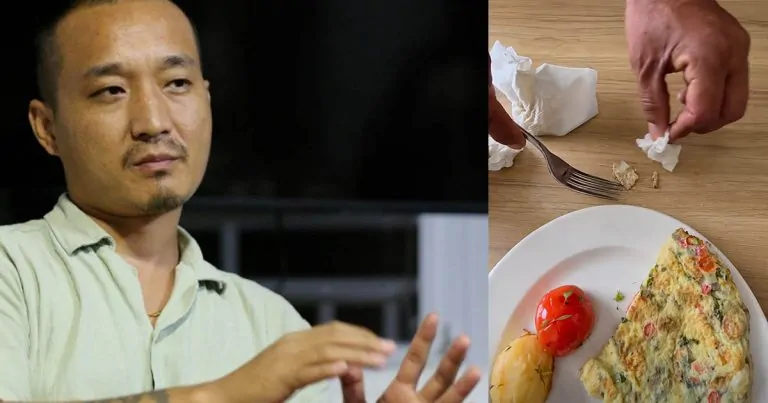
Harka Sampang Criticizes PM Balen Shah’s Absence
Shram Sanskriti Party lawmaker Harka Sampang objected to Prime Minister Balen Shah not attending Parliament during policy programme discussions


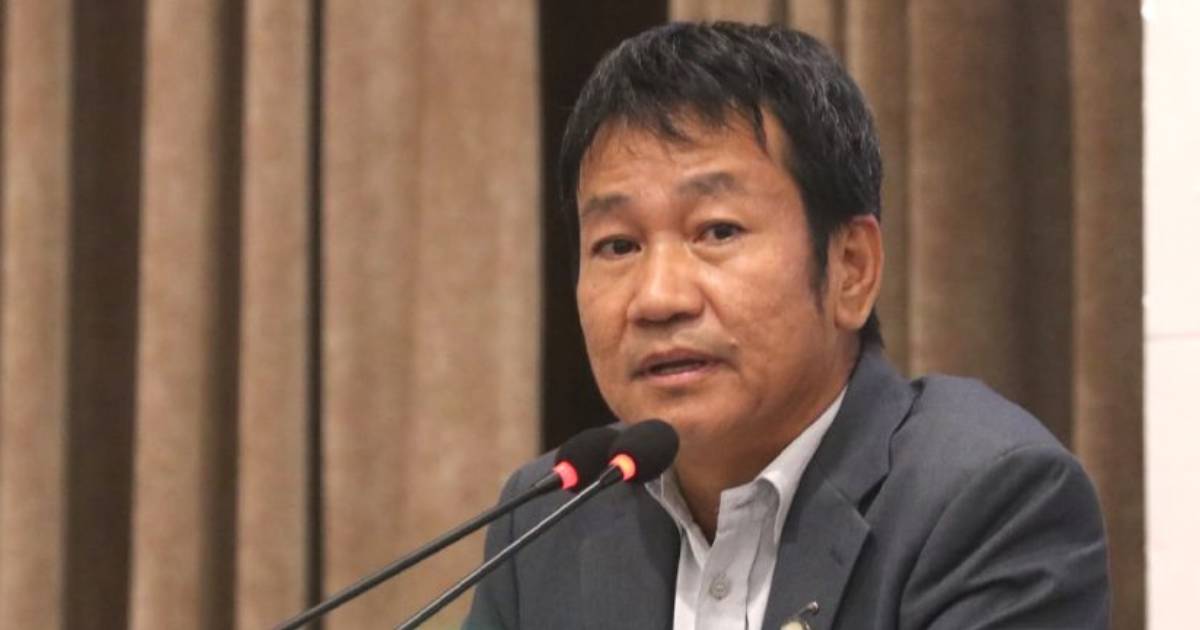
Prime Minister Balen Shah faced criticism in Parliament after lawmakers questioned his absence during discussions on the government’s policy and programme, with Shram Sanskriti Party Chair and lawmaker Harka Sampang warning that his party could walk out if the prime minister does not appear to respond personally.
The issue surfaced during deliberations on the government’s annual policy agenda, where lawmakers from different parties were taking part in discussions inside the federal parliament. Sampang strongly objected to the prime minister’s absence, arguing that the head of government should be present while lawmakers debate a programme introduced under his leadership.
He also expressed dissatisfaction that the finance minister had been assigned to present the policy and programme instead of the prime minister himself, saying the situation undermined parliamentary tradition and accountability.
Harka Sampang Raises Objection in Parliament
During his address in the House, Sampang said it was inappropriate for the prime minister to remain absent while lawmakers were discussing such an important national matter.
He stated that the policy and programme had been introduced under the leadership of the prime minister, making it necessary for him to personally attend the discussion and listen to the concerns and suggestions raised by lawmakers.
Sampang argued that hearing explanations from other ministers instead of the prime minister was not acceptable in a parliamentary system. He compared the situation to sending another person in place of a groom at his own wedding, saying such a practice goes against social norms and parliamentary culture.
Shram Sanskriti Party Continues Boycott
The Shram Sanskriti Party had already boycotted Wednesday’s parliamentary meeting, and Sampang indicated that dissatisfaction within the party remained unresolved.
He warned that the party could completely withdraw from the ongoing process if the prime minister fails to appear in Parliament to answer questions and respond to concerns raised during the debate.
According to Sampang, the issue was not only about political disagreement but also about respecting the dignity of Parliament and maintaining democratic traditions.
- The Shram Sanskriti Party boycotted Wednesday’s parliamentary session.
- Harka Sampang objected to the prime minister’s absence during debate.
- He criticized the decision to let the finance minister present the programme.
- He warned that his party could leave the process if the prime minister does not appear.
Call for Prime Minister to Respond Personally
While criticizing the absence of the prime minister, Sampang also said he still hoped the government chief would eventually attend Parliament to give answers directly.
He said he believed the prime minister might not have listened to the discussion in person, but should at least appear during the response stage to address lawmakers and hear their concerns directly.
Sampang stressed that parliamentary discussions are meaningful only when government leaders engage with lawmakers openly and respectfully.
He said the prime minister’s participation would show seriousness toward Parliament and strengthen trust in democratic practice.
Concerns Over Parliamentary Tradition
A major part of Sampang’s remarks focused on what he described as a decline in parliamentary culture and tradition.
He said the absence of the country’s executive leader during a crucial policy debate was against the dignity of Parliament and did not reflect established democratic norms.
According to him, lawmakers invest significant time preparing speeches, reviewing government plans, and participating in discussions. Therefore, the government leadership also has a responsibility to remain present and hear the concerns being raised.
Sampang suggested that failing to do so weakens the relationship between the government and elected representatives.
Sampang Says Listening Is Part of Leadership
During his speech, Sampang also reflected on the importance of listening in politics and public life.
He said he personally spent considerable time listening to debates inside Parliament and believed that leaders should continuously learn from the opinions of others.
According to him, every moment offers an opportunity to learn, and hearing diverse viewpoints is essential in democratic governance.
He said Parliament exists so representatives can openly exchange ideas and hold the government accountable, making the presence of senior leadership especially important during national policy discussions.
Debate Continues Over Government Accountability
The controversy has added fresh attention to broader concerns about accountability and participation during parliamentary proceedings.
Lawmakers have continued discussing the government’s policy and programme, while questions over the prime minister’s absence have become part of the political debate inside the House.
Sampang maintained that even if the prime minister later watches recordings or follows discussions remotely, it does not replace direct participation in Parliament.
He said active involvement by government leaders is necessary to uphold the value of parliamentary debate and maintain respect for democratic institutions.
As discussions continue, attention is now focused on whether Prime Minister Balen Shah will appear in Parliament to respond to lawmakers and address the concerns raised during the ongoing policy and programme debate.


Written by Roshani Shrestha Pathak
Roshani Shrestha Pathak is the English Bureau Chief at Khoj Samachar, overseeing English-language editorial operations and newsroom coordination.
Prime Minister’s Office Like Hitler’s Gas Chamber: Lawmaker
Speaker Aryal: Learn Parliament, Not Your Phone
Four Former PMs Share Stage at Madan Bhandari Event
Prachanda Urges Left Unity at Bhandari Anniversary

Ramji Yadav Faces Scrutiny After Party Election Loss
RSP Elects Rabi, Swarnim, Sobita and Bipin to Top Posts
RSP Central Committee Elected Members List 2026