Attack Was Attempted on Sonam Wangchuk, Says Abhijeet Dipke
Doctors warn of worsening health as the July 20 Parliament march and a surveillance case raise pressure around the protest.


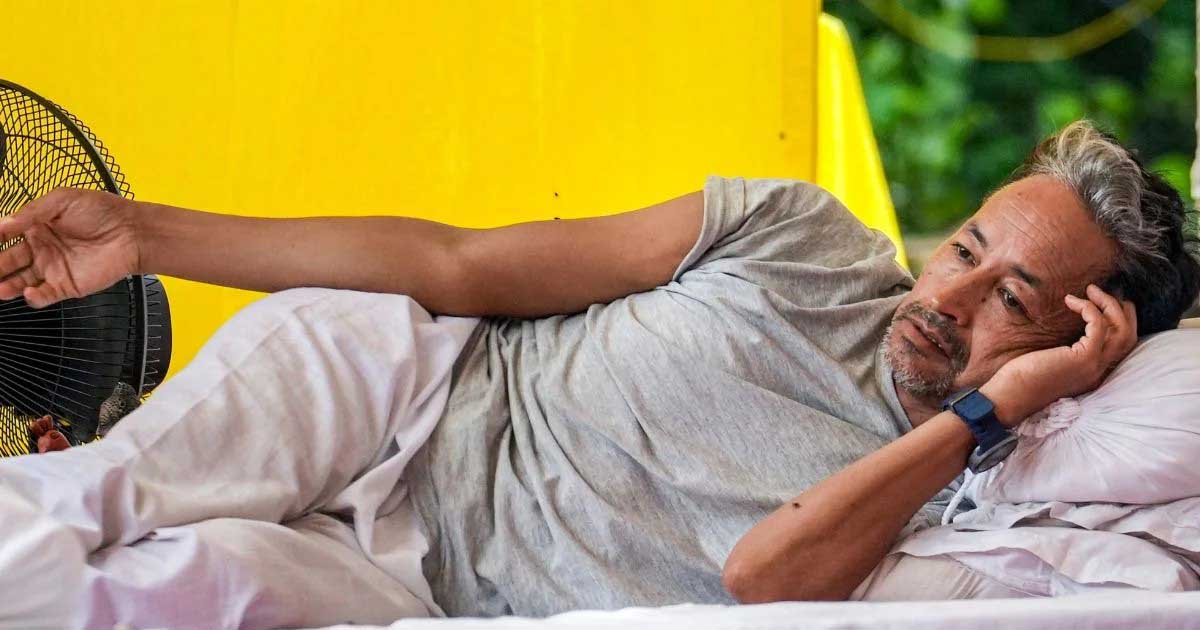
Sonam Wangchuk’s Hunger Strike Reaches Critical Stage Ahead of Parliament March
Educationist and climate engineer Sonam Wangchuk entered the 21st day of his indefinite hunger strike at Delhi’s Jantar Mantar on Saturday, with doctors warning that his weakening body is now approaching a dangerous stage. Wangchuk, however, has said he will not withdraw until the movement demanding accountability over alleged irregularities and a question-paper leak in the NEET-UG examination achieves its purpose.
The protest is no longer centred on one demand alone. Wangchuk’s health, allegations of an attempted attack at the protest site and a legal challenge against police surveillance have all converged ahead of the July 20 “Chalo Parliament” march.
That date has become a political deadline for the movement and a personal test of endurance for Wangchuk.
He began his indefinite fast on June 28, eight days after the Jantar Mantar protest started. The demonstrators are demanding accountability from the central government over the NEET-UG controversy and have also called for the resignation of Union Education Minister Dharmendra Pradhan.
In a video message released after completing the 20th day of his fast on Friday, Wangchuk acknowledged that he had lost substantial weight and was physically weak. But he said the pressure on the government must continue.
“I am still alive. I have lost around 20 per cent of my body,” he said. “First the fat is exhausted, then the muscles, and after that the organs begin to suffer. But this is not the time to step back.”
Doctors warn of damage to vital organs
Doctors have advised Wangchuk to end the fast immediately, warning that the prolonged absence of food could soon begin affecting vital organs.
As the body’s stored fat and muscle continue to decline, the medical risks become harder to control. Political leaders, social groups and supporters of the movement have also urged him to place his life and health above the protest.
Wangchuk has said he will make every possible effort to remain alive until July 20.
On that day, the Cockroach Janta Party, or CJP, has proposed a march towards Parliament. Wangchuk has called on citizens from across the country to join it, saying the level of public participation will determine the direction and impact of the movement.
The appeal has placed an uncomfortable burden on the coming march. Its success is now tied not only to the NEET-UG accountability campaign, but also to whether Wangchuk can survive long enough to see it.
Opposition groups and figures from the film sector have expressed support for the protest. Yet with each passing day, the movement’s central political message is being overtaken by immediate concern for his life.
CJP alleges attempted attack at Jantar Mantar
CJP founding president Abhijeet Dipke has alleged that an attempt was made to attack Wangchuk at Jantar Mantar on Friday night.
Dipke said some individuals threw an object towards Wangchuk. It did not strike him, and he suffered no injury.
“There was an attempt to attack Sonam sir. An object was thrown towards him, but fortunately he was not hurt,” Dipke said.
He also accused police of failing to intervene in time despite repeated attempts to disrupt the protest site. Claiming that there was a plan to disturb the peaceful movement, Dipke warned that the government would be responsible if Wangchuk’s security was compromised.
The allegation of an attack has not been independently confirmed. No formal response from Delhi Police concerning the incident was available in the source material.
The claim nevertheless adds another layer of anxiety around a protest where the physical condition of its most visible face is already precarious.
Surveillance dispute reaches Delhi High Court
The policing of the Jantar Mantar protest will also come under judicial scrutiny.
The Delhi High Court is scheduled to hear a public interest petition on Monday, July 20, alleging “excessive and intrusive surveillance” of demonstrators.
The petition was filed by former Jawaharlal Nehru University Students’ Union president Aishe Ghosh. It challenges the alleged installation of a permanent surveillance tower at Jantar Mantar and the routine photographing and filming of people participating in the protest.
The case raises concerns over whether the continuous collection of images and video from a peaceful demonstration can interfere with privacy, freedom of expression and the democratic right to protest.
The court hearing and the proposed Parliament march falling on the same day have sharpened the significance of July 20.
For the protesters, it will be a day to show whether the campaign has support beyond Jantar Mantar. For the authorities, it will bring questions of policing, surveillance and public accountability into the same frame. For Wangchuk, it is the date he has fixed in his mind while his body continues to weaken.
What began on June 20 as a protest demanding answers over the NEET-UG examination has moved into a far more sensitive phase. The government is facing political demands, police conduct is under challenge, and the movement is preparing for a larger mobilisation.
But the most urgent question now is whether the protest can protect the life of the man carrying its heaviest burden.

Written by Pushpa Tamang
Pushpa Tamang is Managing Editor at Khoj Samachar, leading English and Nepali bureaus, newsroom operations, and editorial standards.
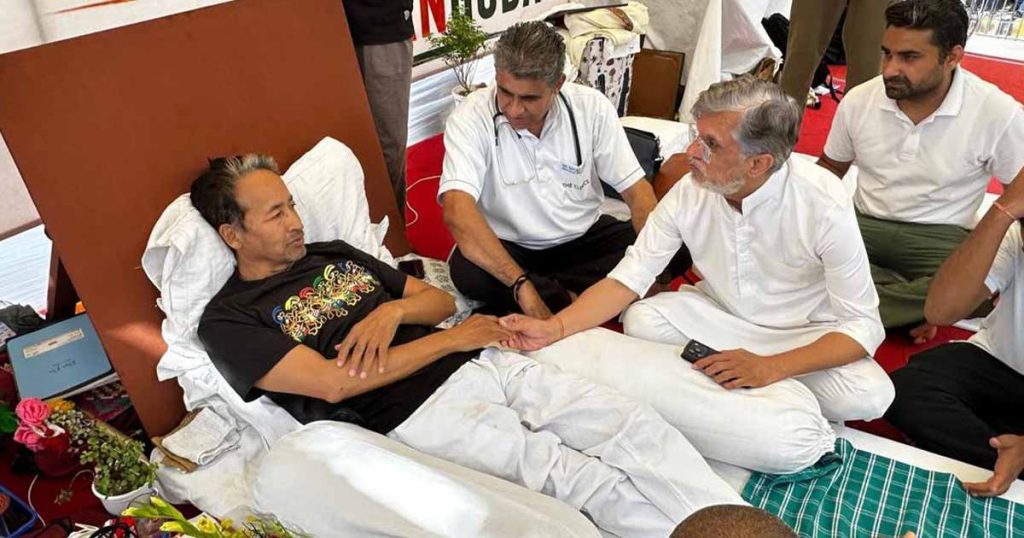
Sonam Wangchuk Vows to Survive Hunger Strike Until July 20

US Attacks Iran Again as Fighting Enters Sixth Night

Jordan Shoots Down Eight Iranian Missiles
US House Passes Permanent Daylight Saving Time Bill
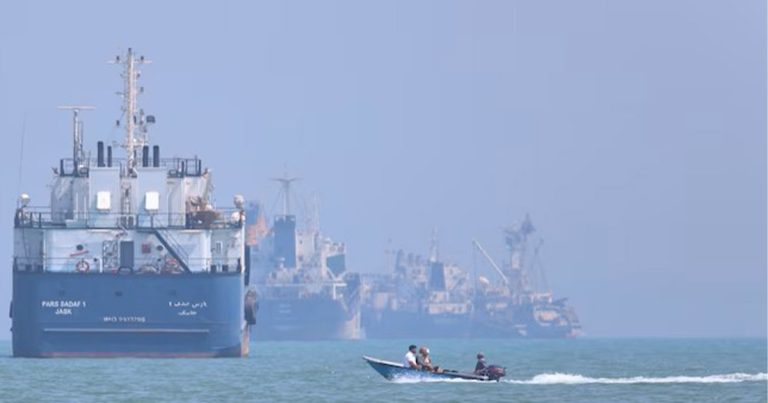
Indian Crew Member Killed in Hormuz Tanker Attack

South Korean Sailor Found Dead Near Northern Sea Border

US-Iran Clash Raises Gulf Alarm After Drone Attacks