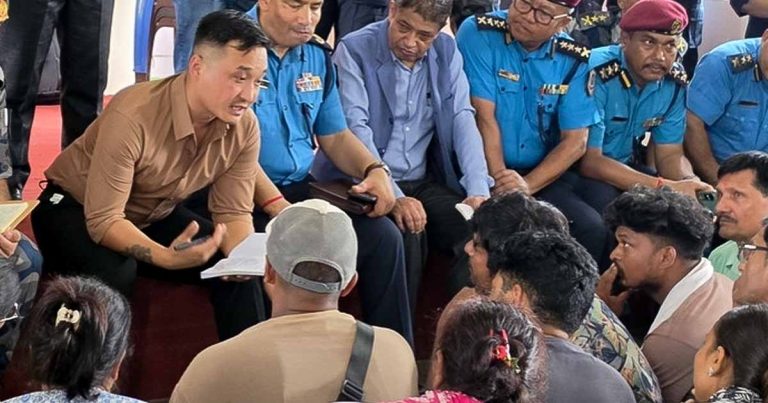
Government Gives 7 Days to Clear Janakpur Pond Encroachments
Unauthorised structures around historic ponds and Rajguthi land must be removed within seven days or face legal action.



The government has given individuals and institutions seven days to remove unauthorised structures from historic ponds and their surrounding land in Janakpur, warning that legal action will follow if the deadline is ignored.
The notice covers water bodies tied closely to the city’s religious life, cultural traditions and public memory. Their shrinking banks and restricted access have remained a visible concern for years. This time, the government says those occupying the land must clear it themselves or face removal under existing law.
The Implementation Committee of the High-Level Task Force Report-2062 on the protection and management of Guthi land issued the public notice. It directed those occupying ponds and adjoining plots under Rajguthi ownership to vacate the land within seven days of the notice being published.
Ponds and surrounding land named in notice
The committee has identified Bishahara Pokhari, Dasharath Talau, Argaja Sar, Ratnasagar Pokhari, Murali Sar, Dirghika Sar and Goddhoi Pokhari among the affected sites.
It said various individuals and organisations had built structures and continued using the land without approval.
Those concerned have been instructed to dismantle the structures on their own and hand the land back to the Guthi authorities within the prescribed period. Failure to comply will lead to the removal of the encroachments and further proceedings under prevailing law, the notice states.
The order is not limited to structures standing inside the pond areas. It also applies to the banks and surrounding plots, where construction and private occupation have gradually narrowed spaces that were traditionally open to worshippers, residents and the wider public.
Janakpur’s ponds are not simply unused government plots or isolated water bodies. Religious rituals, local festivals and everyday community practices have long depended on them. Their physical condition also shapes how the city’s cultural landscape is experienced.
As the banks have narrowed, public movement around several ponds has become difficult. Unauthorised construction has added another layer to a problem that has remained unresolved despite previous commissions and task forces documenting encroachment on Guthi and public land.
Focus shifts from reports to enforcement
The seven-day order moves the issue beyond identification. The locations are known, the alleged encroachments have been listed and the institutions responsible for acting have now issued a deadline.
What follows will be a test of whether earlier government reports can be turned into action on the ground.
The government has said the current drive is part of a policy to accelerate implementation of recommendations made by commissions and task forces formed in the past. The process in Janakpur includes the protection of encroached Guthi property, ponds and other public assets.
Bodies dealing with land management and cooperatives are involved, along with the Ministry of Federal Affairs and General Administration.
The coordination matters because responsibility for Guthi land, local administration and enforcement has often been spread across different offices. The notice now places a clear obligation on those occupying the land, but the practical burden will soon fall on the authorities if voluntary removal does not take place.
Local attention is therefore centred on what happens after the deadline. Residents have seen pond banks become narrower and access increasingly limited over time. The public notice has created an expectation that the government will not stop at issuing warnings.
For Janakpur, the issue is also about whether spaces carrying religious and cultural meaning can remain under public use rather than gradually being absorbed by private structures.
The seven days will show how far the government is prepared to go in enforcing its own decision.

Written by Roshan Shrestha
Roshan Shrestha is a Nepali investigative journalist and founder of Khoj Samachar, covering corruption, transparency, and public-interest issues.
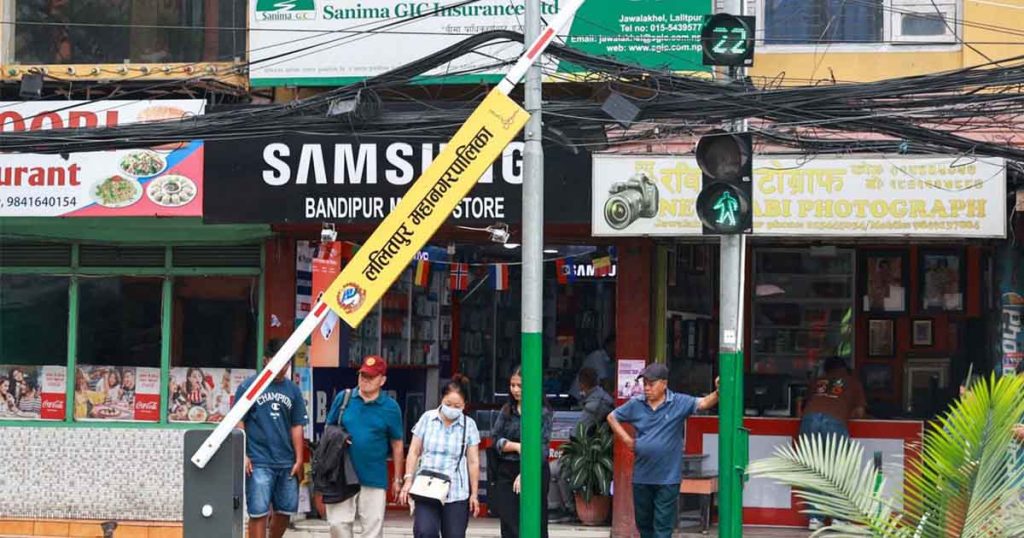
Lalitpur Smart Barrier Closes at Red Light, Opens at Green

Swarnim Wagle’s Secretariat Tells Investors Not to Panic
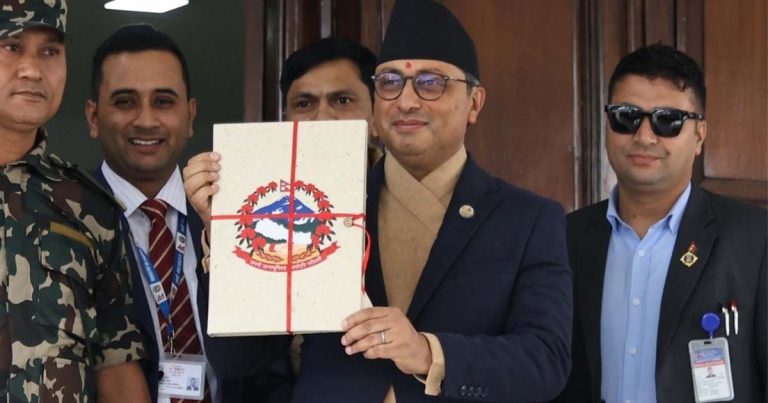
Nepal Government Increases Employee Salaries by 21 Percent
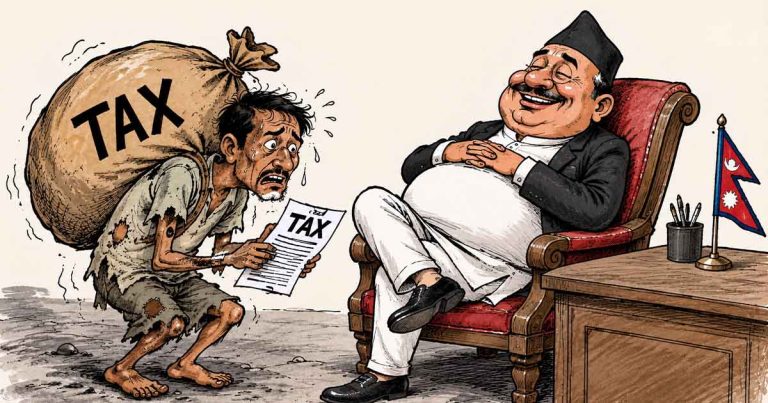
Tax Upon Tax for Nepal’s Public, Personal Secretaries for Lawmakers
Pathao, InDrive Riders to Pay 5% VAT on Earnings from Friday

Minister Yadav Presses US to Restore Nepal Trade Preference
Khawalung School Responds to Viral Teacher-Student Video