Nepal Government Increases Employee Salaries by 21 Percent
Revised scales raise basic pay by 10 percent while retaining inflation support and introducing performance-linked incentives.


Nepal has brought a revised salary structure for civil servants into effect with the start of the 2083/84 fiscal year, ending four years without a pay adjustment. The government says the revised package is intended to address rising living costs while linking a portion of employee earnings to job performance, reflecting a broader shift in how public sector compensation is structured.
The new scale applies from today to civil servants, security personnel and teachers. Alongside a 10 percent increase in the basic salary, the government has introduced a monthly incentive allowance worth an additional 10 percent, although that payment will depend on performance criteria that are yet to be fully clarified.
Revised salary package takes effect
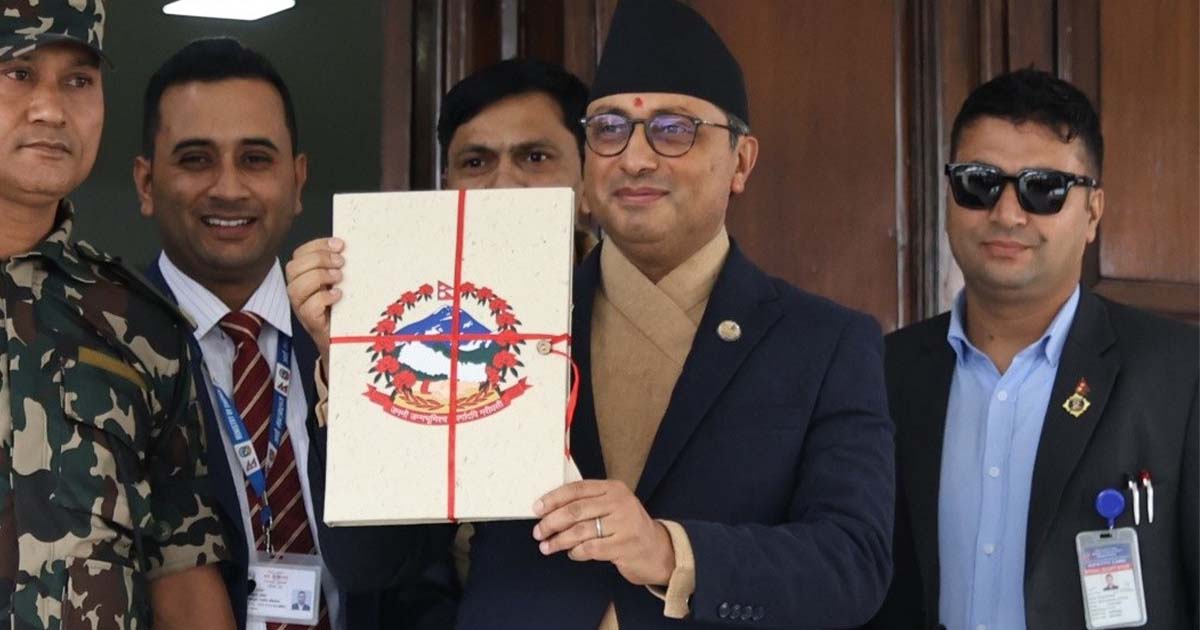
Finance Minister Swarnim Wagle had announced the salary revision while presenting the national budget on Jestha 15, stating that the entry-level salary scale for government employees would increase by 10 percent.
With the implementation of that budget decision, eligible public employees will now receive salaries based on the revised structure.
The government has also decided to continue the existing inflation allowance without any change.
Performance-linked incentive introduced
Beyond the increase in basic pay, the government has introduced a monthly incentive allowance equivalent to 10 percent of salary as part of its plan to gradually connect compensation with employee performance.
Because the incentive is tied to performance, it remains unclear whether every employee will receive the full amount or whether separate evaluation standards will determine eligibility.
That framework is expected to become clearer during implementation.
Minimum monthly salary approaches Rs 40,000
Including grade benefits, the revised pay structure raises the minimum monthly salary for civil servants, military personnel and teachers to around Rs 40,000.
Employees in higher positions will receive salaries exceeding Rs 100,000 per month under the new scale.
Relief welcomed, but inflation remains a concern
Employee unions had been demanding a salary revision for years, arguing that household expenses, housing, education and daily necessities had become significantly more expensive while public sector wages remained unchanged.
The government has presented the latest revision as an effort to improve employee morale, strengthen accountability and encourage better public service delivery through performance-based incentives.
Whether the higher salaries provide lasting financial relief, however, will depend not only on payroll changes but also on market prices. If the cost of goods and services continues to rise alongside the salary adjustment, much of the intended benefit could be eroded, making effective market monitoring just as important as the pay increase itself.

Written by Roshani Shrestha Pathak
Roshani Shrestha Pathak is the English Bureau Chief at Khoj Samachar, overseeing English-language editorial operations and newsroom coordination.
Tax Upon Tax for Nepal’s Public, Personal Secretaries for Lawmakers
Pathao, InDrive Riders to Pay 5% VAT on Earnings from Friday
Minister Yadav Presses US to Restore Nepal Trade Preference
Khawalung School Responds to Viral Teacher-Student Video
Nepal Cabinet Release of All Three Miterbyaj Commission Reports

Suspicious Vehicles at Media Gates Put Nepal’s Democracy on Trial

Khawalung School Video: What Happened Between Teacher and Student?